Bicycle design and testing involve structural, material, and mechanical evaluations to confirm prototypes and durability. For bicycle engineers and designers, ensuring mechanical integrity requires measurement of various forces, torques, and material performance under stress.
Because component fatigue, associated fracturing, or drivetrain failures pose safety risks or recalls, manufacturers rely on clear test data. Load cells, sensors, and torque transducers monitor impacts, fatigue, power transfer, and motor torque over millions of cycles.
Bicycles and Micro-Mobility
The global bicycle and micro-mobility sector has expanded into a complex engineering market driven by urban transport networks, commercial last-mile delivery fleets, and high-performance athletic demands.
Precision force measurement serves as the mandatory checkpoint for all types of bicycles, translating complex rider interactions, electric motor assist forces, and rough terrain impacts into measurable engineering metrics.
Integrating high-performance sensors directly into test frames and active prototypes allows engineering teams to find structural vulnerabilities, material limits, and component friction early in the design cycle. In mass-production and competitive bicycle development, this ongoing physical monitoring proves a reliable safety baseline, preventing frame-cracking fatigue failures and ensuring that braking, steering, and drivetrain assemblies perform predictably across diverse rider demographics and harsh outdoor environments.
Bicycle Sensor Applications
- E-Bike Battery Enclosure Shock and Structural Fatigue Testing
- Front Fork and Rear Shock Absorber Cyclic Loading Evaluation
- Bottom Bracket and Motor Assist Rotational Torque Validation
- Handlebar and Steering Column Impact Resistance Profiling
- Multi-Axis Pedal Downward and Tangential Force Analysis
- Seat Post and Frame Static Deflection Capacity Testing
- Shareable Fleet Ruggedized Locking Mechanism Strength Verification
- Cargo Trike Torsional Frame Twist and Axle Load Tracking
- High-Velocity Wheel Rim Strike and Drop Test Profiling
- Commercial Delivery Trike Brake Lever Actuation Verification
- Carbon Composite Frame Crack Propagation and Cycling Fatigue Mapping
- Mass-Market Youth Bicycle Component Static Load Compliance Testing
Overcoming Component Fatigue and Environmental Testing Challenges
The main challenge in bicycle testing is maintaining measurement stability across various conditions like road vibration, weather, and high-cycle load reversals. Accurate data collection requires low-latency, compact signal conditioning to record rapid load shifts, vibrations, and impact spikes without gaps or attenuation.
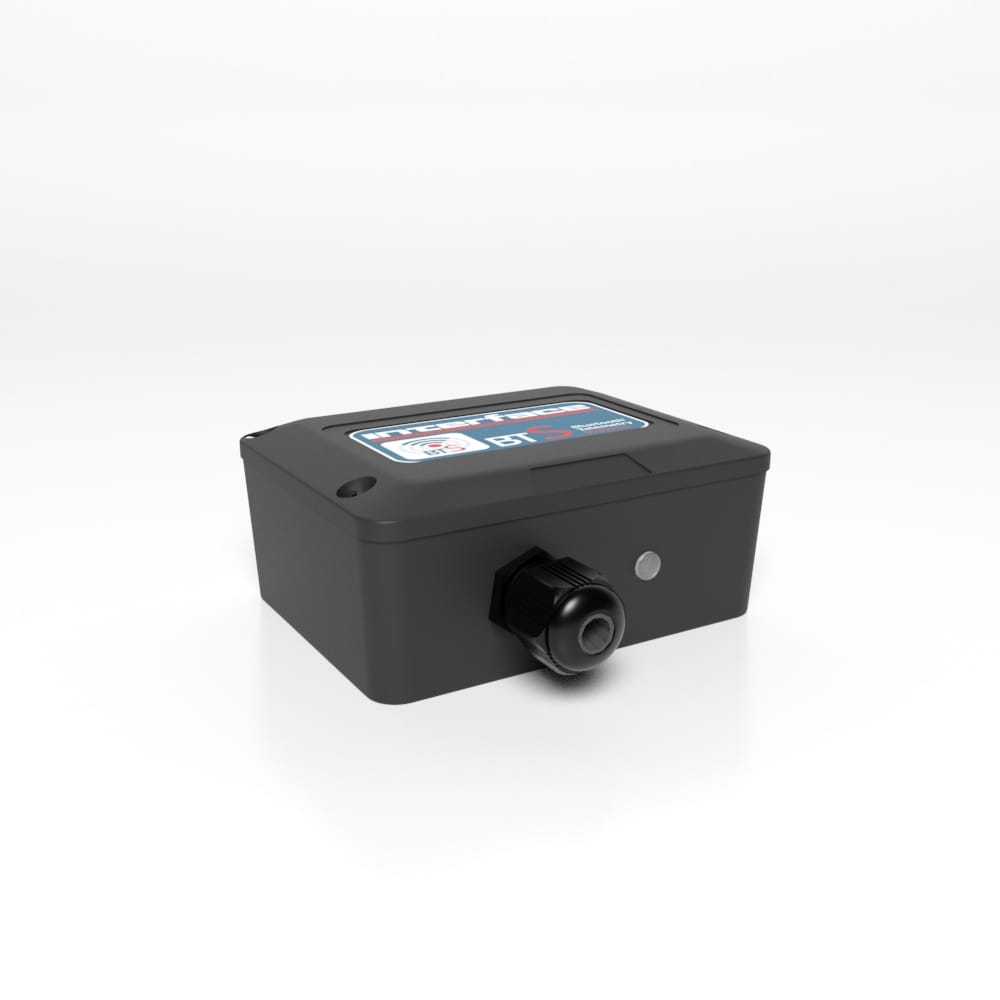
Bicycle components often face forces from multiple directions, so sensors must eliminate off-axis interference and crosstalk near moving parts. Since active street testing limits heavy wiring, engineers need small, wireless telemetry solutions that preserve data integrity during rides. Interface offers sealed, fatigue-rated sensors that isolate multidirectional forces and connect to wireless transmitters and digital tools for accurate physical data.
Interface Products Used in Bicycles and Micro-Mobility
- LowProfile Load Cells
- Mini Load Cells
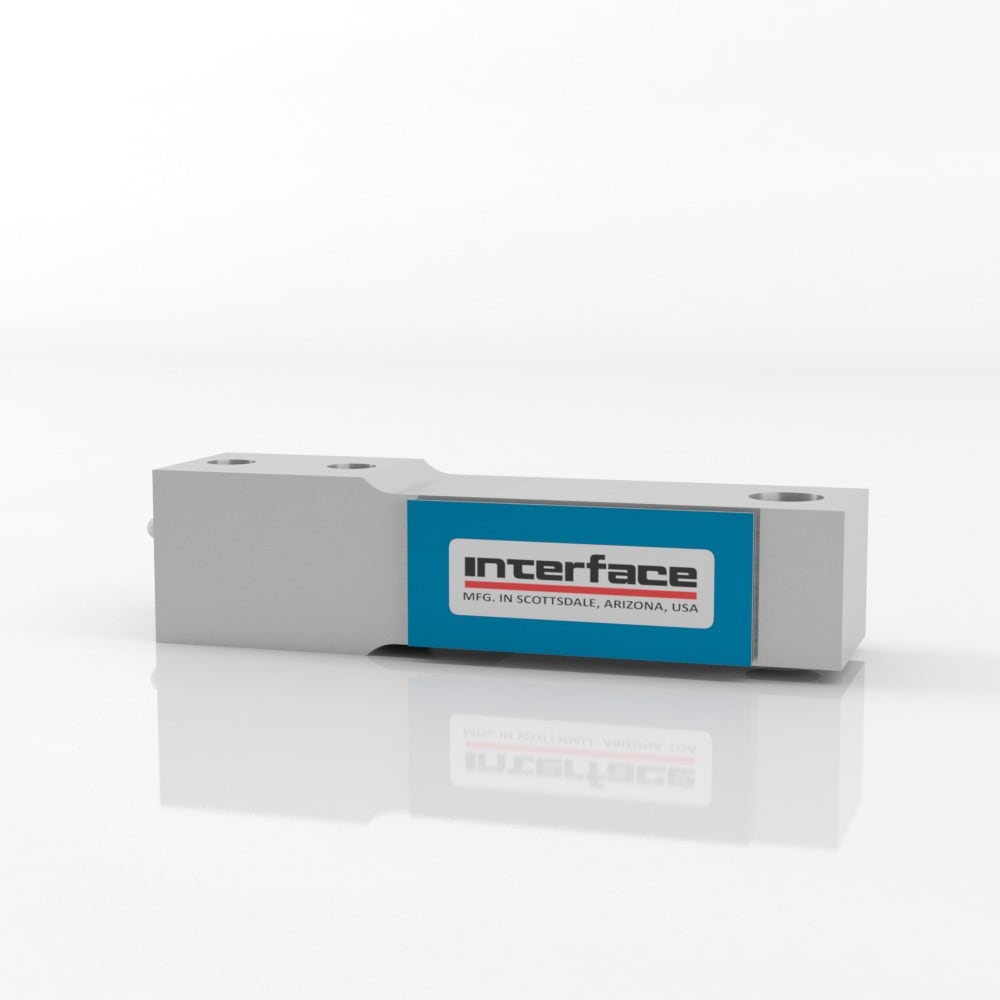
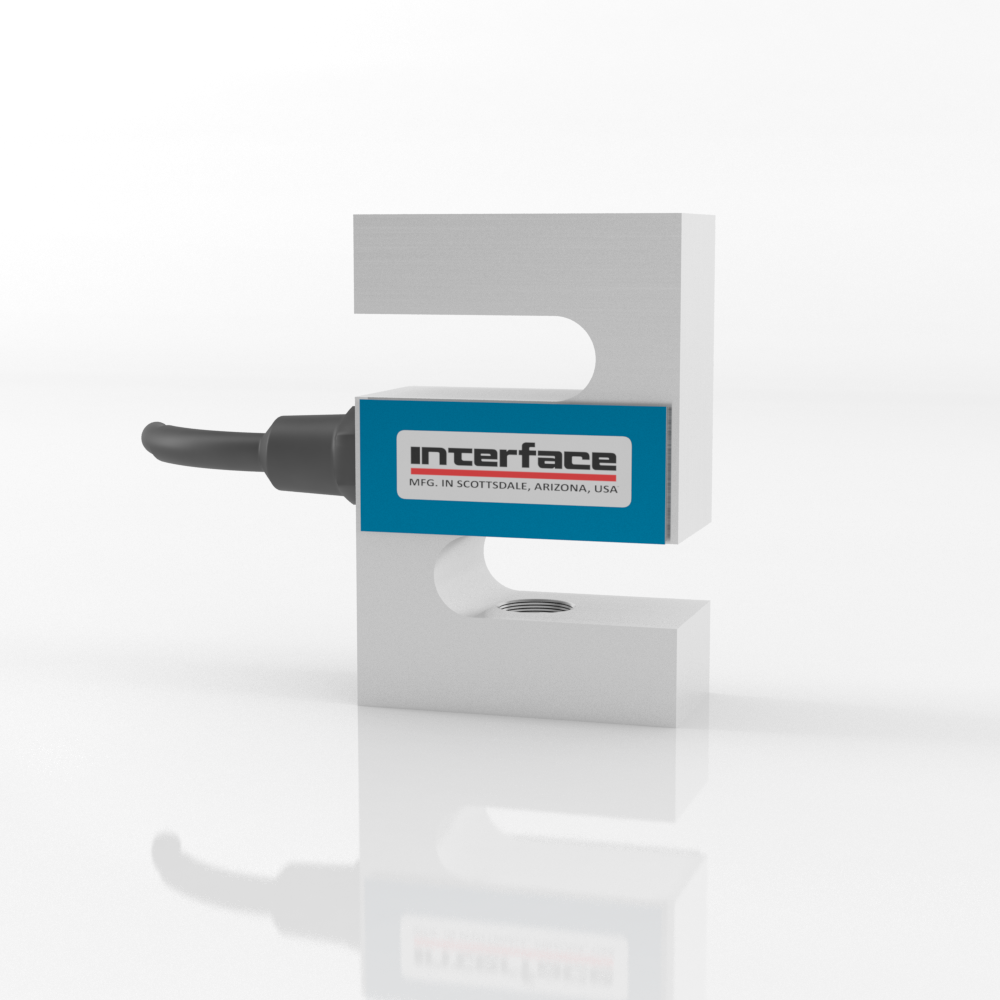
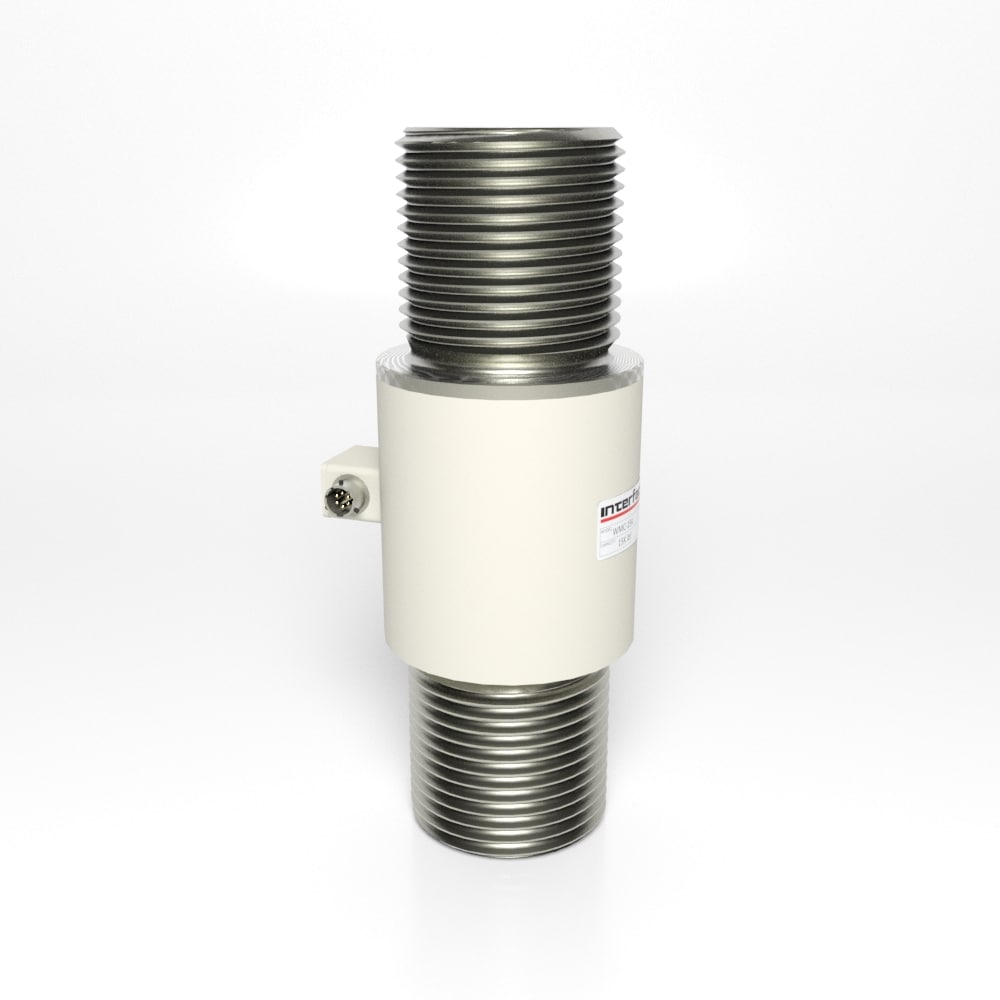
- Fatigue-Rated Load Cells
- Multi-Axis Sensors
- Reaction and Rotary Torque Transducers
- Load Washer Sensors
- Wireless Telemetry Systems
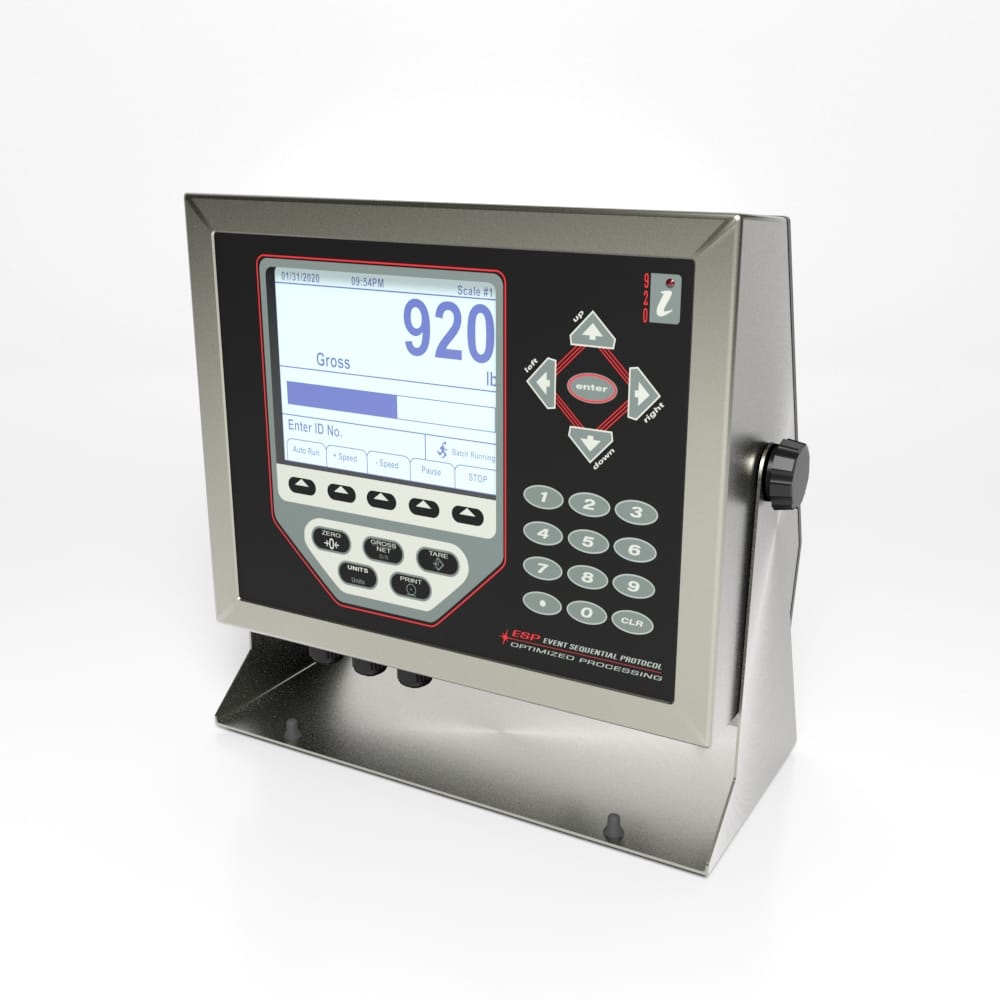
- Instrumentation
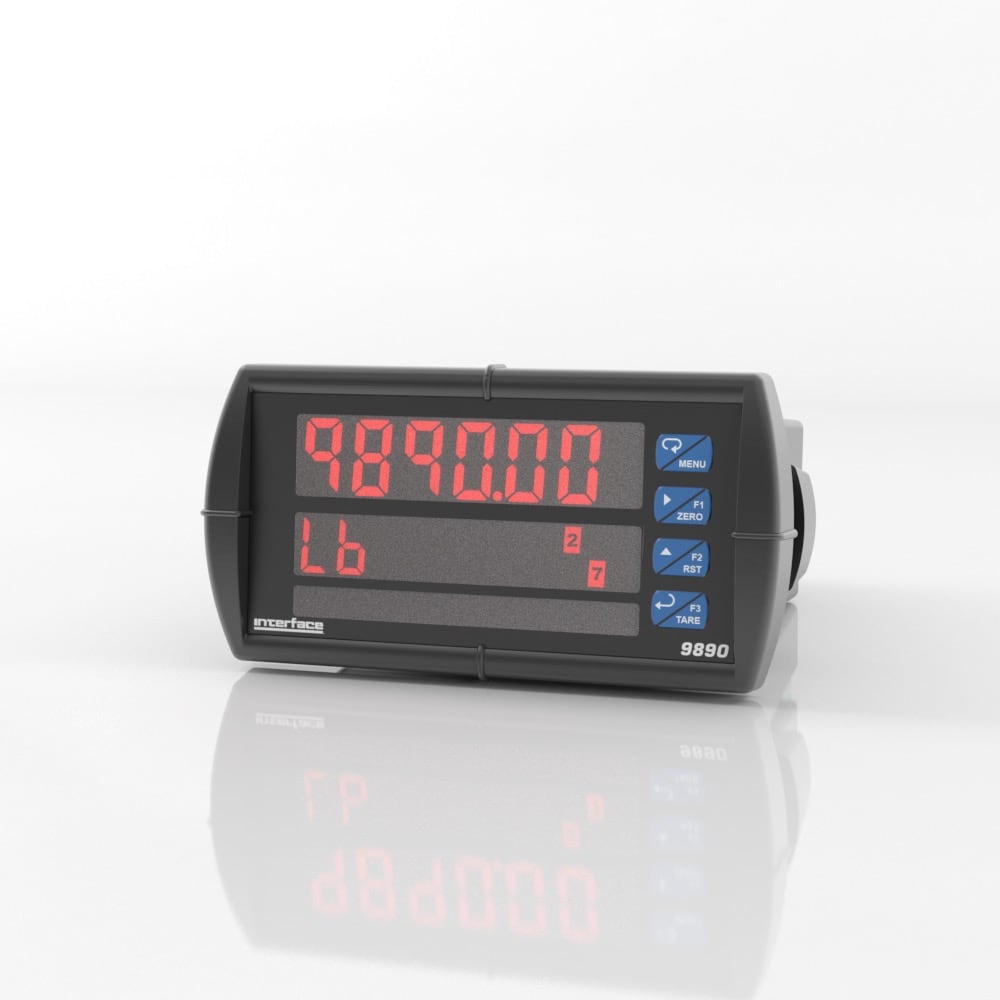
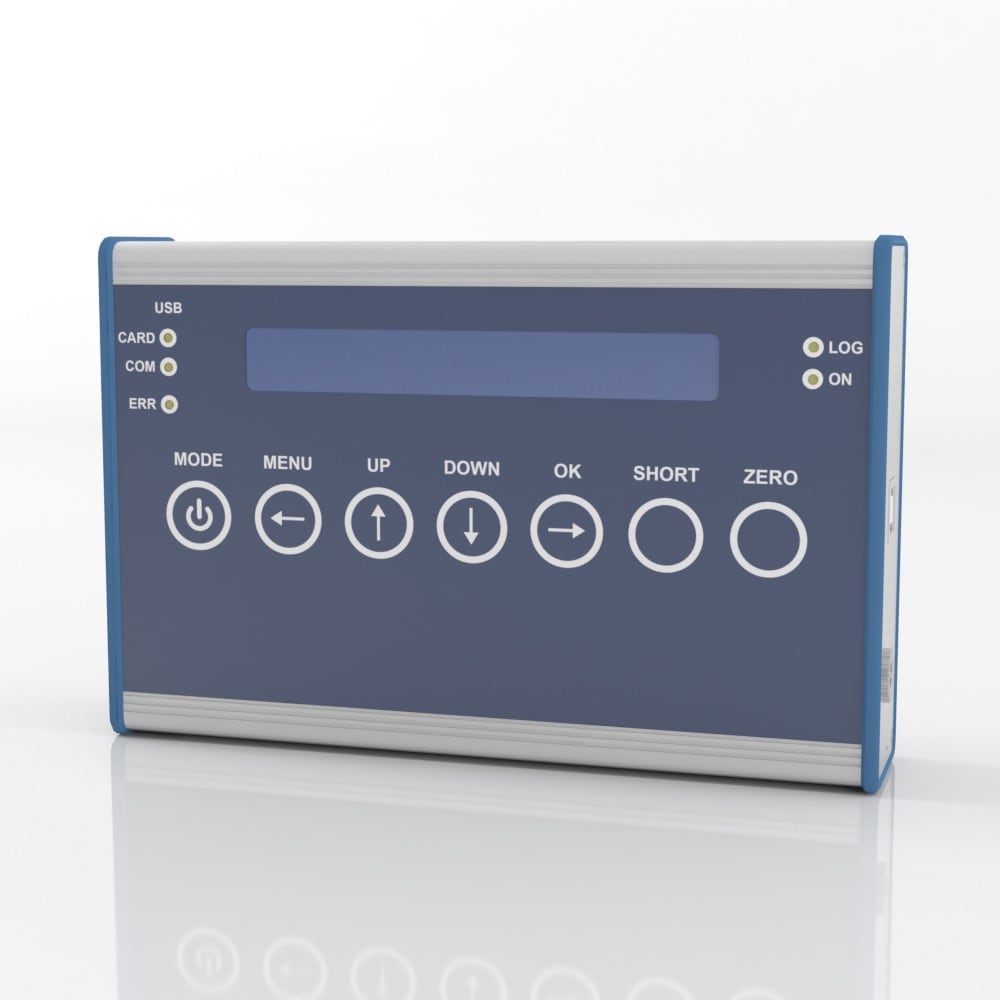
- Digital and Portable Instruments
- Data Acquisition (DAQ) Systems
- Interface Blue® Bluetooth® Enabled Instruments
- Load Pins
- Custom Solutions
- Complete Systems
Why Accurate Test and Measurement Data Moves Bicycle Engineering Forward
Precision measurement serves as the foundation for bicycle optimization, converting complex structural interactions into actionable engineering insights. Interface provides highly accurate load cells, torque transducers, multi-axis sensors, instrumentation, and data acquisition systems for engineers and validation teams to accurately track structural loading, force, weight, and torque across all types of e-bikes, performance designs, cargo trikes, and shareable fleet assets.
Interface sensors and hardware ensure that cycle designers can confidently validate structural safety, maximize energy efficiency, continuously push material boundaries, and maintain high operational uptime across the consumer products sector.

 Bike Handlebar Fatigue Testing
 Bike Power Pedals
 Canoe Paddle Force Testing
 Chocolate Melanger Torque
 Claw Machine Strength
 Fitness Equipment and Machines
 Mountain Bike Shocks Testing
 Printer Cartridge Seal
 Water Bottle Dispensing and Weighing
 Weave Loom Efficiency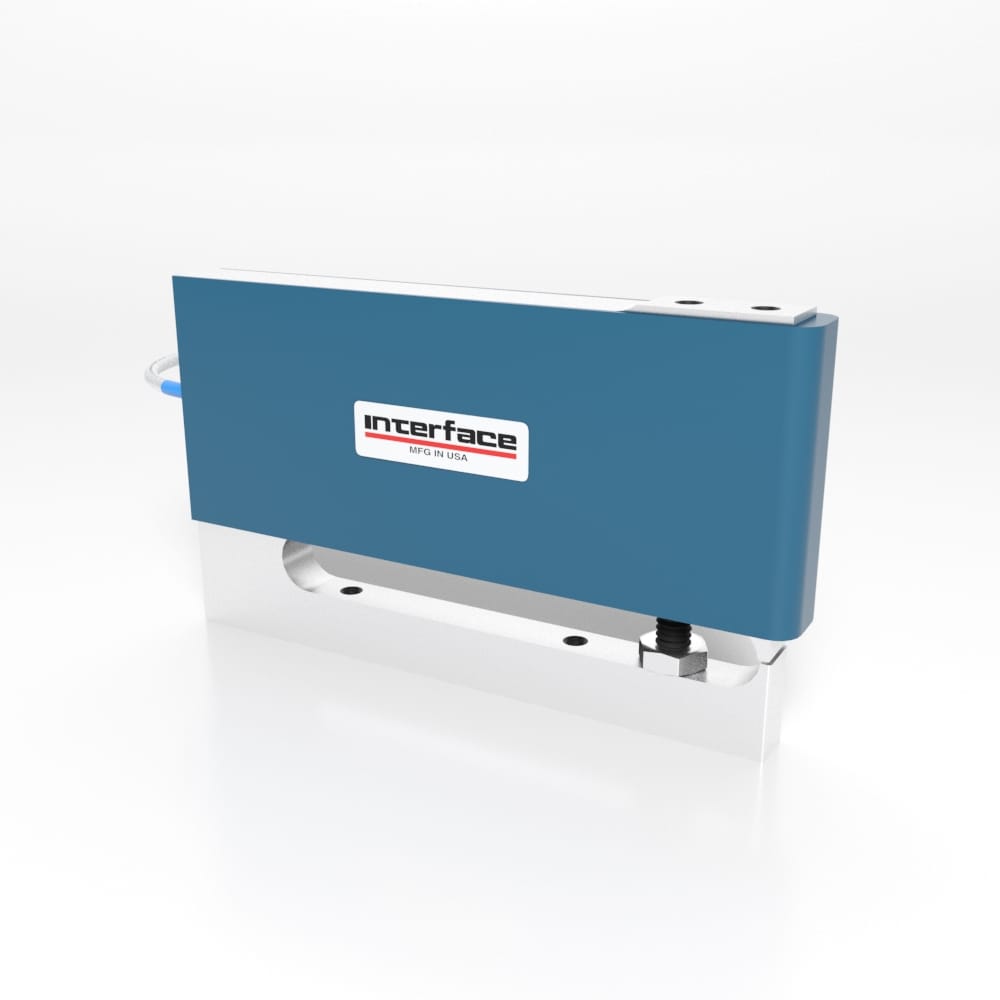


Beyond the Obvious Forces of Product Testing
/in Blog /by Jamie GlassTrue precision in testing requires developing a mindset that embraces failure, diagnoses invisible errors, and knows that the best results come from understanding that every component, connection, and procedure is part of a complex system that demands relentless attention. Interface provides high-accuracy test and measurement products, including load cells, for testing labs.
Fatigue-Rated Load Cells 101
/in 101 Series, Blog /by Jamie GlassInterface Fatigue-Rated Load Cells are specialized force sensors engineered to accurately measure loads over an extended operational life exceeding 100 million fully reversed, full-capacity loading cycles, crucial for durability and long-term performance testing. Their design emphasizes reduced stress levels, optimized geometries, and robust construction to prevent fatigue failure under repetitive loading.
Smart Food Packaging Uses Force Measurement
/in Blog /by Jamie GlassInterface force measurement technologies are helping to transform the food packaging industry with greater precision and reduced waste. Interface offers sensor solutions to automate and regulate every packaging stage, from rigorous packaging material tests to precise force measurements for filling, sealing, and distributing food products.
Precision Prototyping Uses Force Measurement for Design Validation
/in Blog /by Jamie GlassInterface load cells, torque transducers, and multi-axis sensors equip engineers with essential data for design validation and optimization for precise prototyping. Whether for testing alone or integration, both scenarios for sensors measuring physical parameters like force, torque, and weight provide insights into the prototype’s performance and behavior under various conditions. Industries use proof-of-concepts, production prototypes, and functional prototypes that require precise measurements to validate the final design.
Interface Top Industry and Application Insights of 2024
/in Blog /by Jamie GlassExplore Interface’s top industry solutions and applications using force measurement products. Discover medical, aerospace, automation, automotive, energy, and other industry test and measurement applications. Find inspiration and answers for your specific needs using Interface load cells, torque transducers, and instrumentation.
Fun Facts About Force Measurement to Wrap Up 2024
/in Blog /by Jamie GlassInterface fun facts demonstrate how force measurement constantly evolves and contributes to breakthroughs in various fields, from measuring rocket thrust to monitoring athlete’s performance. It’s a testament to the ingenuity of engineers and scientists who continue to find new and innovative ways to utilize this fundamental measurement principle.
Integrated Measurement Solutions Elevate Design and Enhance Functionality
/in Blog /by Jamie GlassInterface, a pioneer in load cell design, supports innovation by offering integrated measurement solutions that ensure the safety and reliability of machines, products, and processes in sectors including aerospace, energy, medical and healthcare, automotive, manufacturing, and industrial automation. Our sensor technologies are seamlessly integrated into diverse products and machines, from lifting equipment to consumer goods. This adaptability ensures that our solutions can be tailored to your unique requirements.
Load Cell Connection to USB Instrumentation Advances Measurement Applications
/in Blog /by Jamie GlassInterface offers USB instrumentation solution to connect load cells to digital devices. Using USB, load cells can seamlessly integrate with various instrumentation, such as computers, data loggers, and programmable logic controllers (PLCs), through a standard USB interface and compatible software. This digital connectivity eliminates the need for complex analog-to-digital converters and streamlines the data acquisition process. Learn about products, advantages, challenges and tips for using USB instrumentation.
Safeguarding Products and Packaging Integrity Using Load Cells
/in Blog /by Jamie GlassInterface load cells provide valuable measurement data for packaging processes and equipment. They are used in material testing, package drop tests, quality control, delivery equipment, and conveyor belts. By incorporating load cells into packaging processes, product manufacturers and packaging industry suppliers can gain valuable insights into testing the stresses and strains a package encounters. Load cells can provide substantial cost savings, enhanced production efficiency, faster time to market, and improved product safety.
Measuring the Potential of IoT Wearables Using Load Cell Technology
/in Blog /by Jamie GlassInterface load cells provide valuable measurement data in real-time to product engineers and users of IoT wearables. Load cells are popular in designing, prototyping, testing, and using wearable IoT products, including shoes, sports gear, prosthetics, watches, and gaming headsets. They offer a highly accurate and reliable way to measure force, pressure, and weight. Our measurement devices are being designed into wearables such as smart clothing and augmented reality equipment, including headsets and fitness equipment for precision measurement during use.