Commercial fleets encompass light- to medium-duty transport systems, including local delivery vans, urban box trucks, municipal service fleets, and last-mile logistics vehicles. For fleet management and vehicle engineers, ensuring the safety and efficiency of these lighter assets requires precise tracking of force and weight under daily, repetitive stop-and-go conditions. Faulty components or uneven loading can cause premature tire wear, braking inefficiencies, or suspension failure, making continuous mechanical data vital for optimizing vehicle performance.
The commercial fleet testing environment focuses on high-volume operational efficiency and component longevity, where unexpected maintenance can disrupt tight delivery networks. Reliable force, torque, and weight measurements serve as the performance baseline for light- to medium-duty transport, translating rapid braking cycles and varying payload weights into clear engineering data.
Interface load cells and miniature sensors provide accurate measurement and weighing, supporting the stability needed to validate commercial fleet design. This ensures vehicles can handle frequent urban road impacts, meet fuel economy or electric range targets, and prevent unexpected wear during high-frequency delivery cycles.
Commercial Fleet Sensor Applications
- Delivery Van Rear Step and Liftgate Load Profiling
- E-Mobility Fleet Battery Pack Enclosure Structural Vibration Testing
- Urban Box Truck Brake Pedal Force and Caliper Actuation Profiling
- Last-Mile Delivery Vehicle Automated Door Closing Force Validation
- Utility Fleet Bucket Truck Boom Mechanism Structural Strain Tracking
- Commercial Van Cabin Ergonomics
- Vehicle Interior Testing for Seats, Interfaces and Belts
- Delivery Fleet Electronic Throttle and Accelerator Linkage Testing
- Urban Transit Vehicle Roof-Mounted Cargo Rack Weight Evaluation
- Light-Duty Fleet Drive-by-Wire Steering System Torque Analysis
- Modular Cargo Pod Interlocking Mechanism Structural Integrity Testing
- Courier Fleet Interior Shelving Validation
- Automated Delivery Rover Wheel Hub Multi-Axis Force Analysis
Overcoming Urban Fleet and E-Mobility Testing Challenges
The main challenge in commercial fleet testing is maintaining measurement stability during diverse high-frequency operations with curb impacts, vibrations, and weather variations. Accurate force capture demands low-latency, compact signal conditioning to record load shifts, vibrations, and braking without data gaps. As lighter assets adopt electric architectures, sensors must operate near high-voltage lines without interference. Fleet testing varies from chassis dyno to street logging, requiring compact, low-power sensors that connect seamlessly to mobile tools, isolating forces and providing raw data.
Interface Products Used in Commercial Fleets
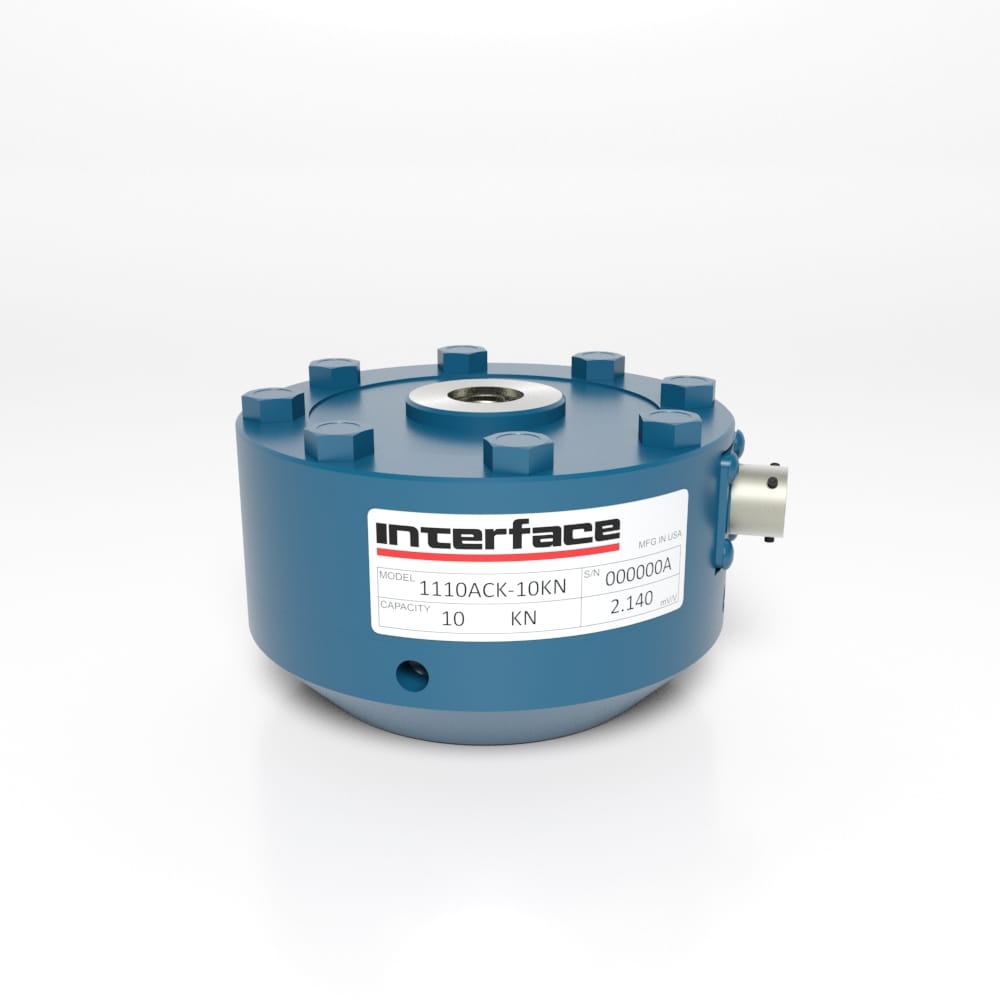
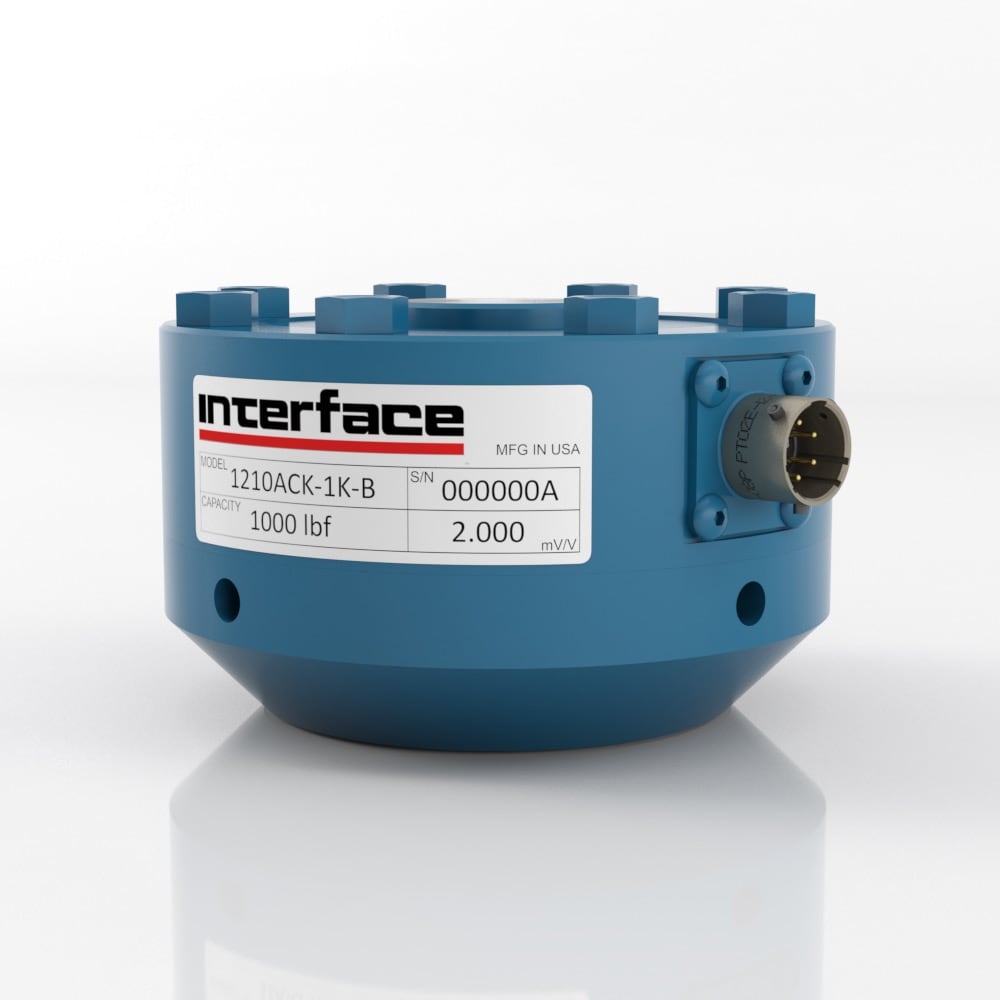
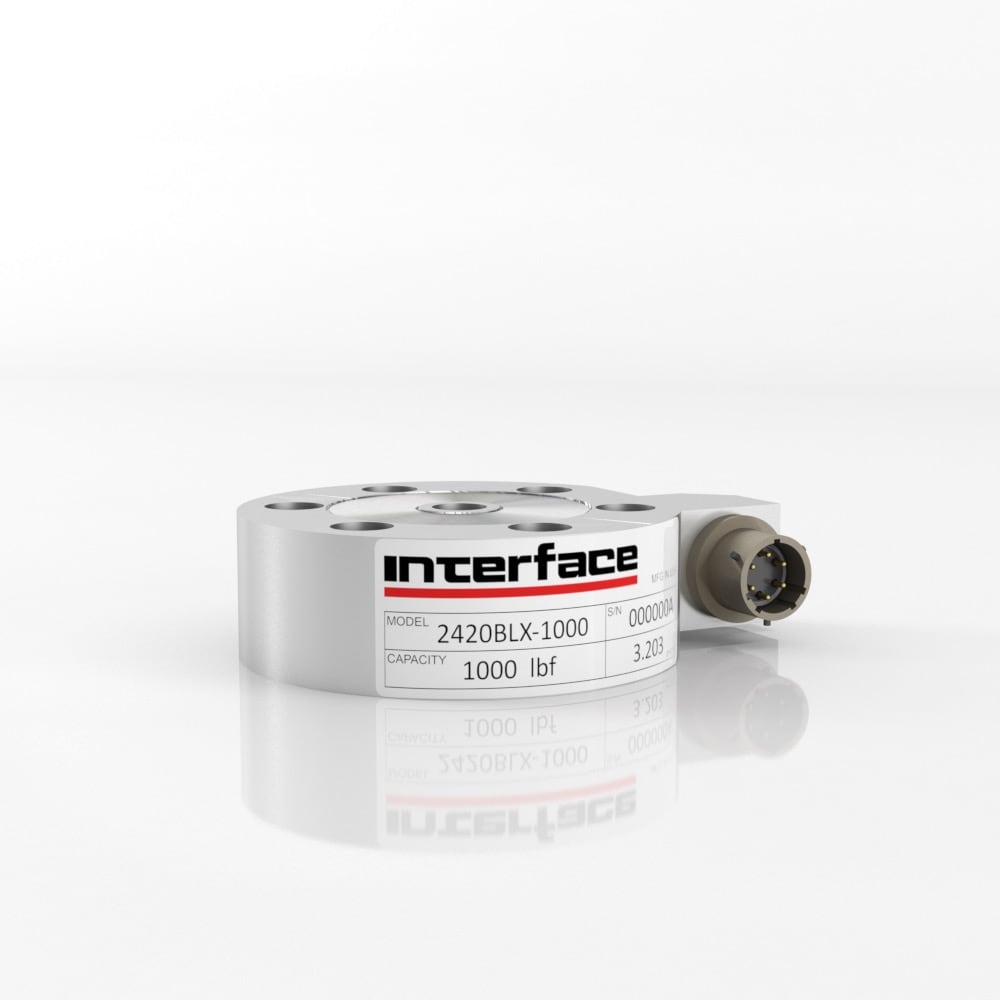
- LowProfile Load Cells
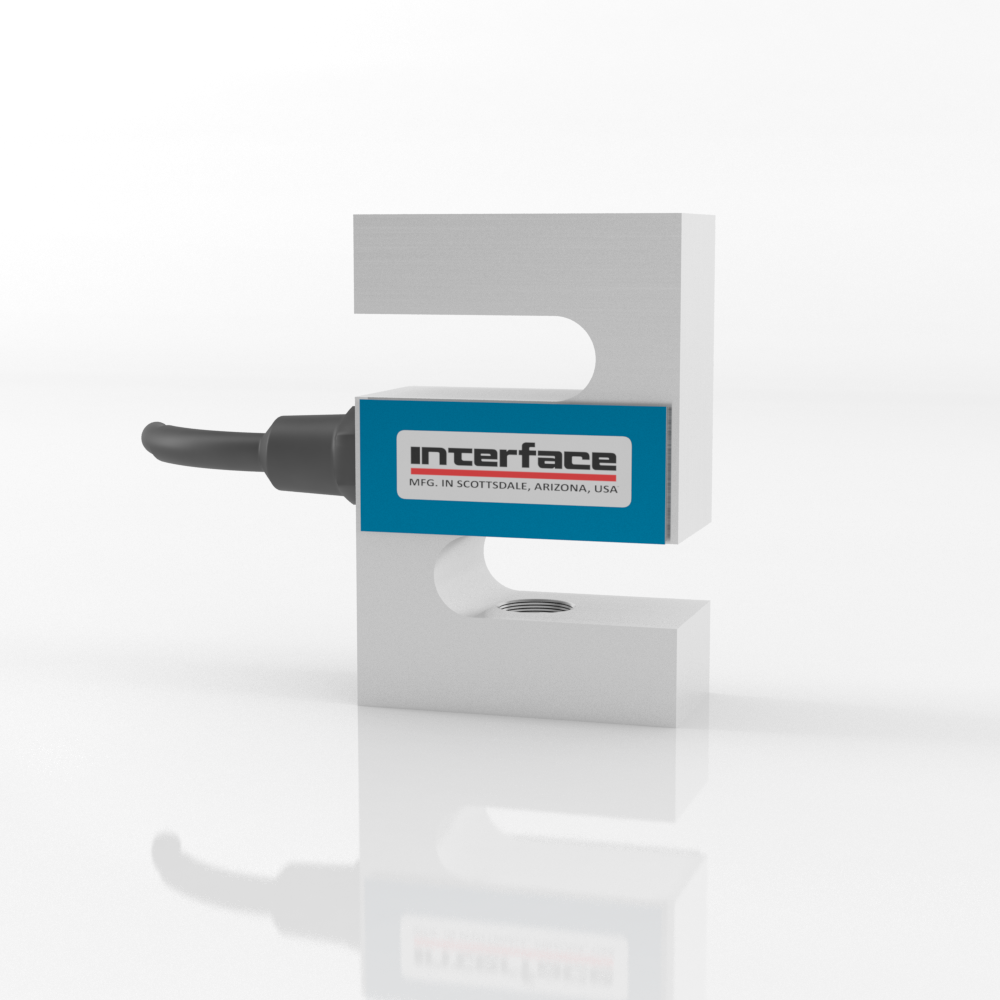
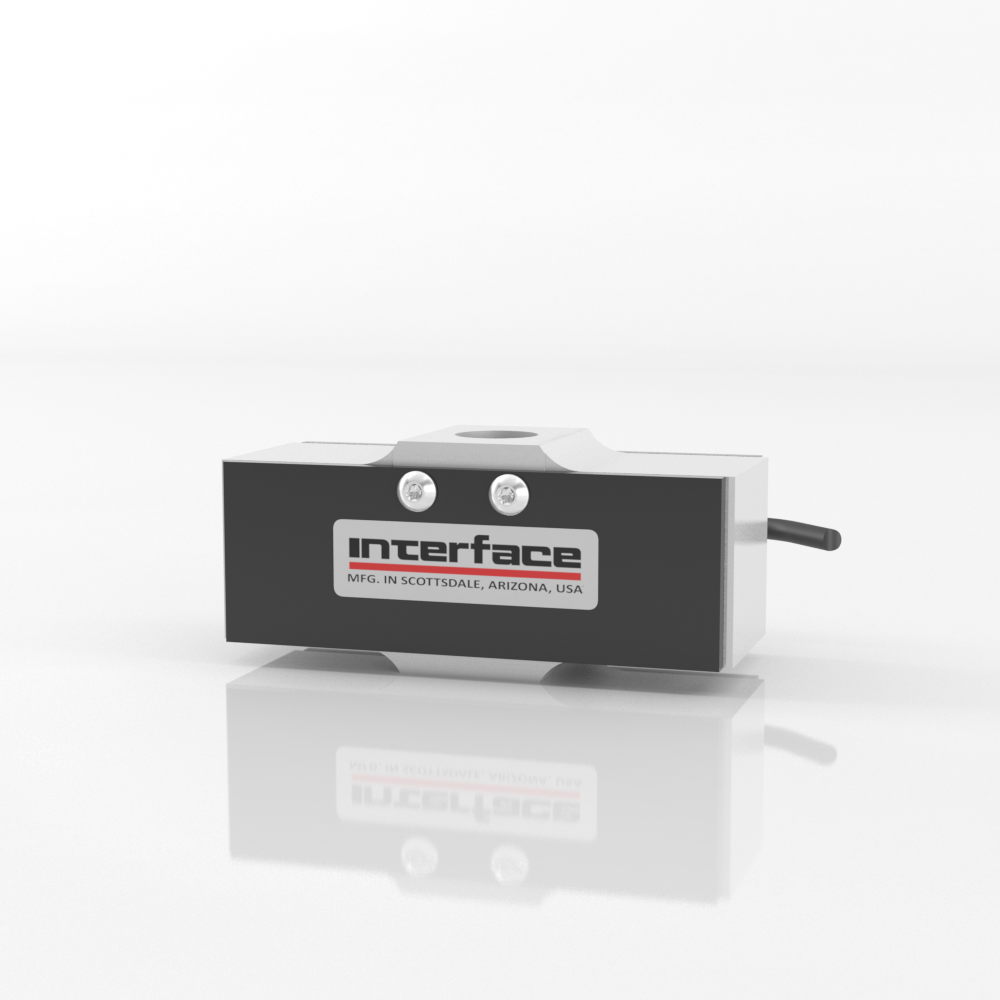
- Miniature Beam and S-Type Load Cells
- Through-Hole Load Washer Sensors
- Load Button Load Cells
- Multi-Axis Sensors
- Reaction and Rotary Torque Transducers
- Instrumentation and Signal Conditioners
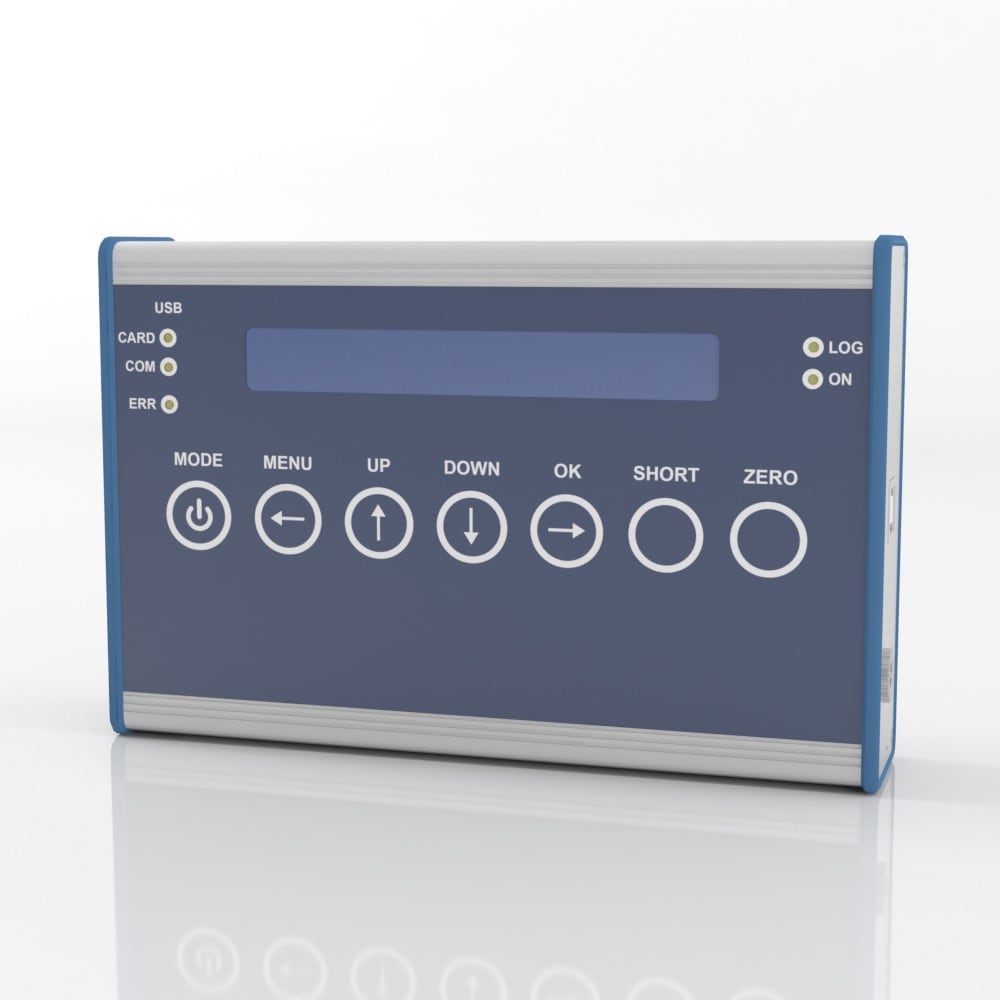
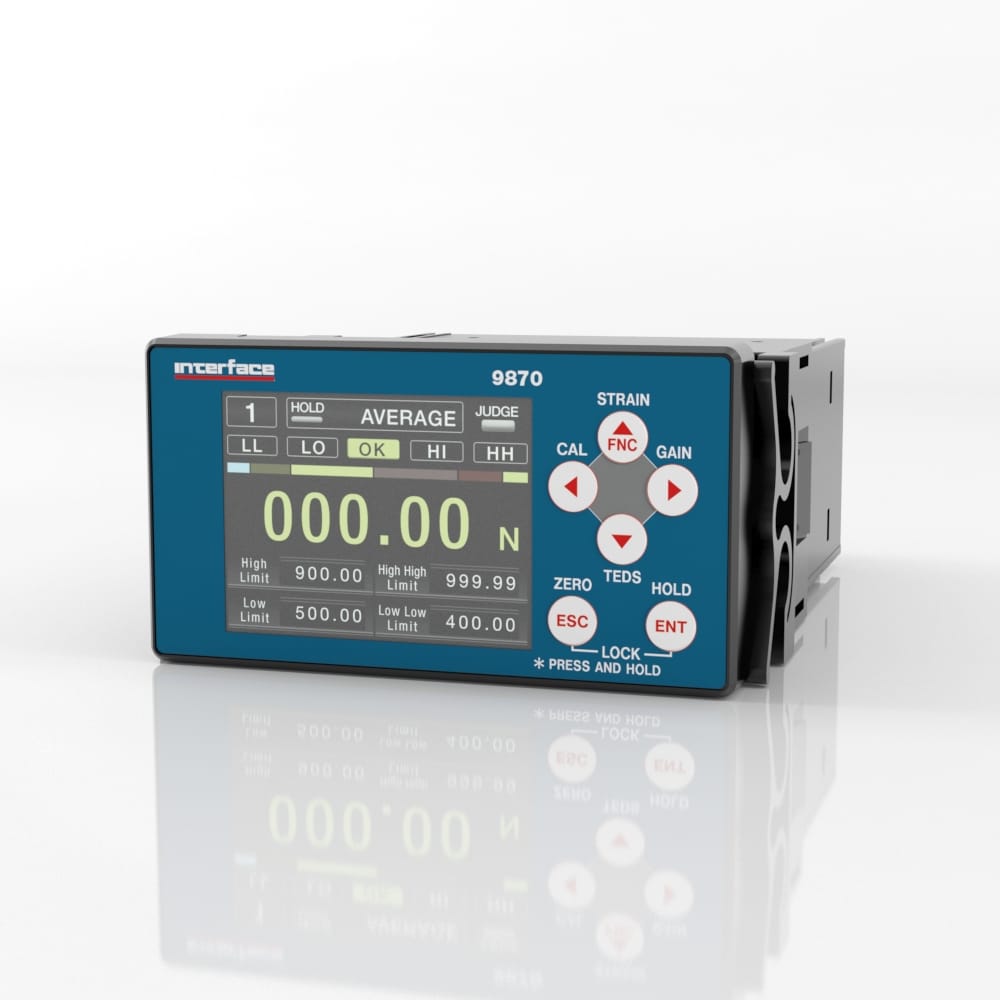
- Digital and Portable Instrumentation
- Wireless Telemetry System (WTS) Modules
- Data Acquisition (DAQ) Systems
- Load Pins
- OEM and Custom Solutions
Interface provides precision load cells, torque transducers, multi-axis sensors, instrumentation, and data acquisition systems for engineers and validation teams to accurately track structural loading, force, weight, and torque across all types of delivery vans, utility trucks, electric drivetrains, and automated cargo systems. Our hardware enables fleet designers to confidently validate structural safety, maximize energy efficiency, and maintain high operational uptime across the commercial transport sector.
 Automotive Head Rest Testing
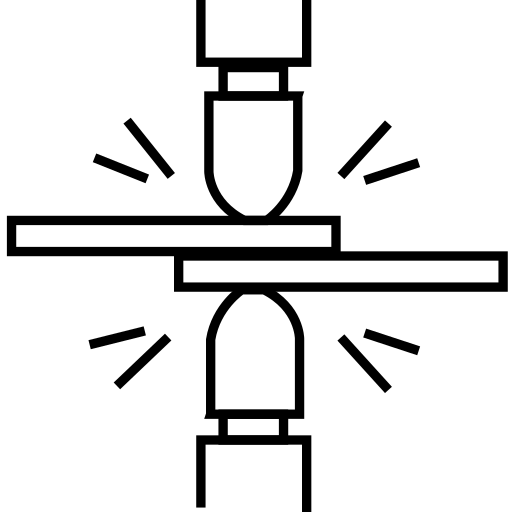 Automotive Resistance Spot Welding
 Automotive Window Pinch Force Testing
 AxialTQ™ Engine Dynamometer
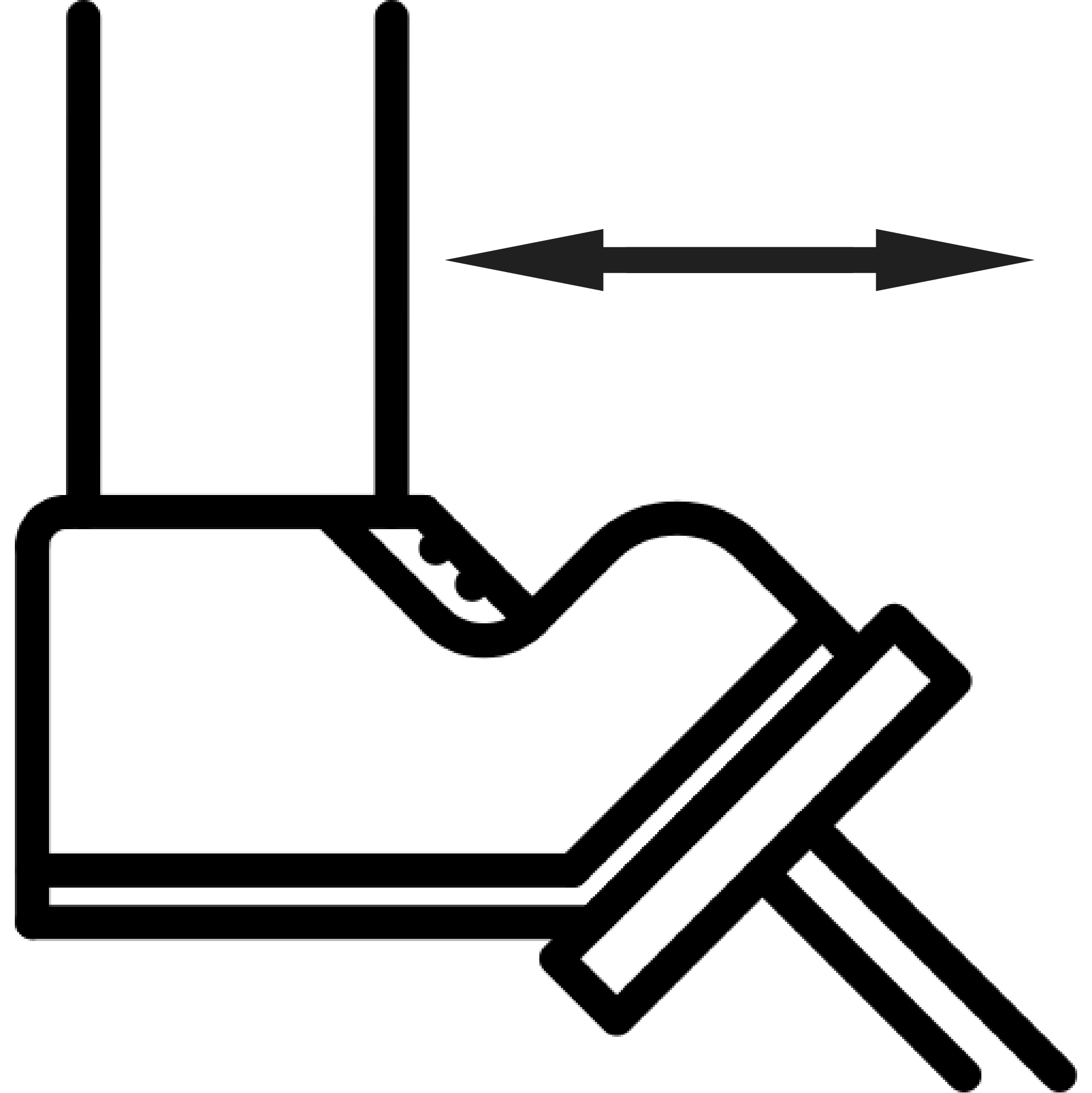 Pedal- Force and Distance
 In Motion Rail Weigh
 Race Car Suspension Testing
 Vacuum Testing for Automotive Performance
 WTS Brake Pedal Force Testing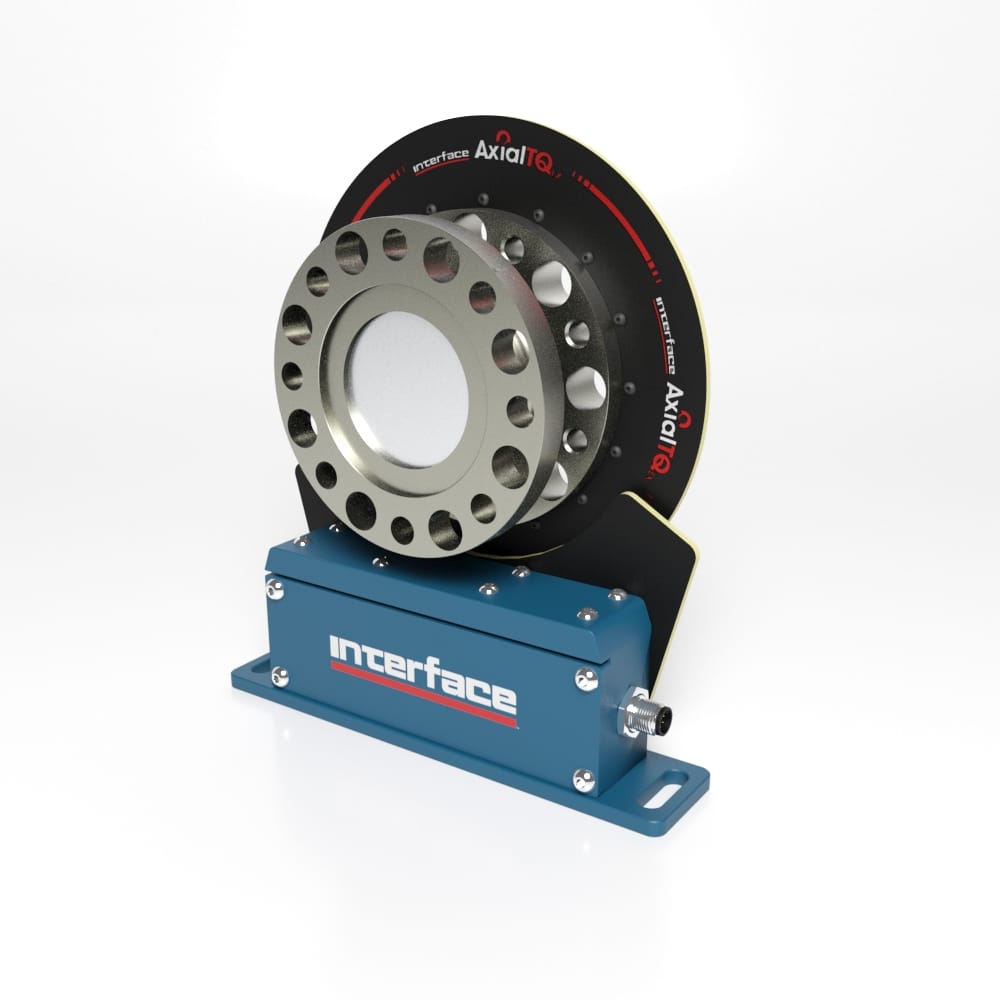


Nothing Found
Sorry, no posts matched your criteria