Tag Archive for: robotics
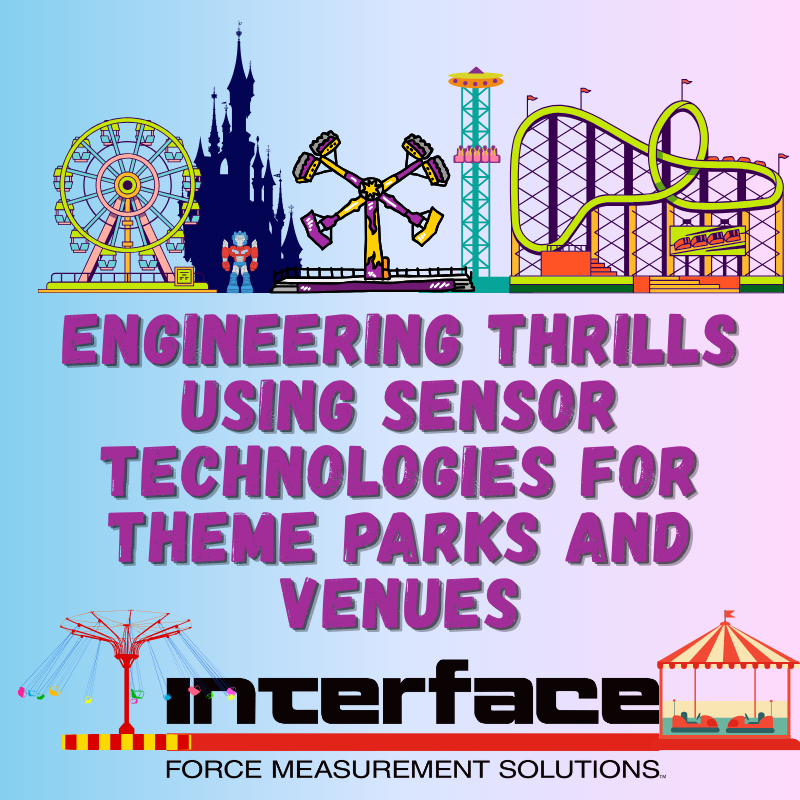
Engineering Thrills Using Sensor Technologies for Theme Parks and Venues
Interface provides entertainment venues, thrill ride engineers, and theme park attraction manufacturers with measurement solutions for complex mechanical systems, enabling them to create immersive guest experiences while meeting strict safety requirements. From roller coasters and motion platforms to automated stages and animatronic characters, engineers depend on precise force, torque, and weight measurements to ensure attractions operate safely and reliably.

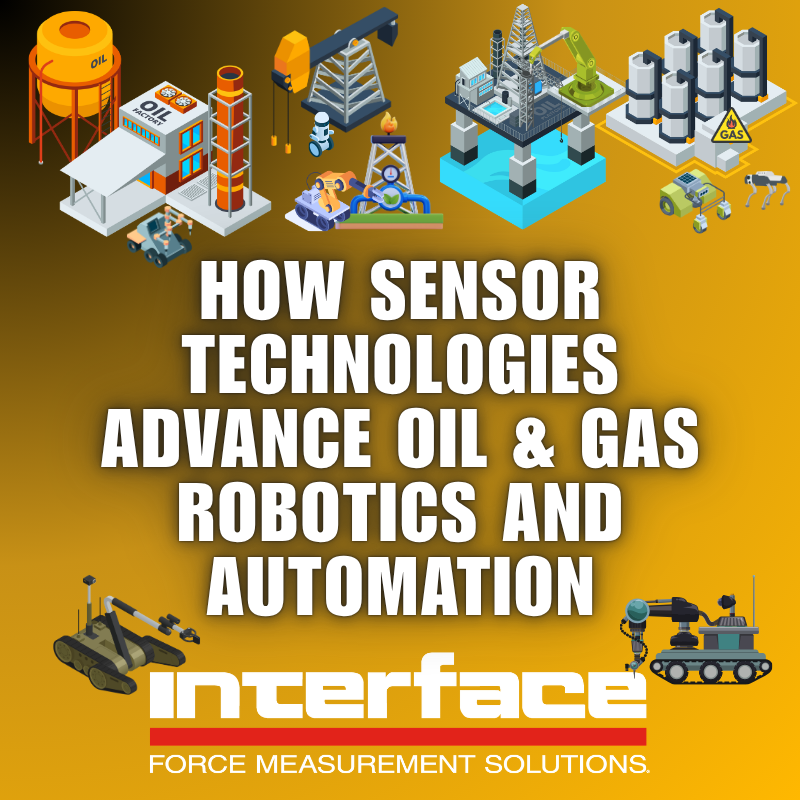
How Sensor Technologies Advance Oil and Gas Robotics and Automation
Interface sensor technologies for oil and gas robotics test mobility, assess mechanical performance, and confirm the structural integrity of inspection tools. Robotics and automation in the oil and gas sector use load cells, torque transducers, and multi-axis sensors for infrastructure, production, maintenance, security, monitoring, and safety.

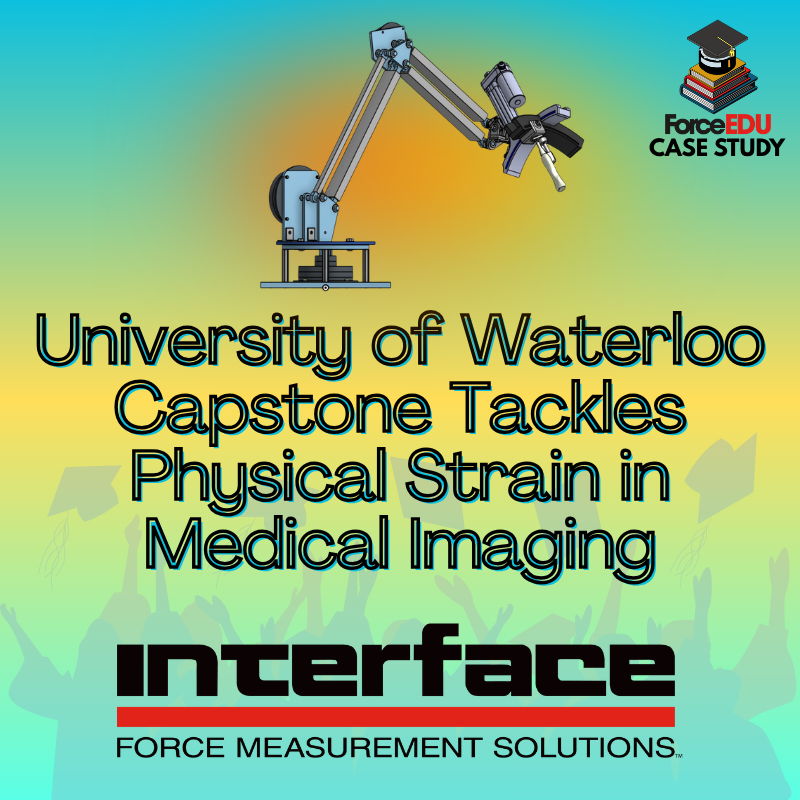
University of Waterloo Capstone Tackles Physical Strain in Medical Imaging
Interface case study highlights the LARS project by the Capstone Symposium Team at the University of Waterloo. The Load Assistance for Reduced-Strain Sonography medical solution is a semi-robotic articulated arm engineered to aid with probe force application while keeping the sonographer fully in control of the procedure. The medical system, using an Interface load cell, integrates directly into existing clinical workflows and provides assistive support without disrupting the established scanning methods of the medical professional.

6-Axis Load Cells 101
Interface 6‑axis load cells measure forces along three perpendicular axes and the corresponding moments (torque) about those axes. 6-axis sensors are monolithic flexure instruments equipped with specialized strain-gage bridges. The design is engineered to maintain high stiffness while isolating complex loads into independent electrical signals. Standard-capacity sensors utilize six full-bridge channels, while high-capacity models may employ twelve bridges to increase structural integrity and signal resolution. 6-Axis Load Cells 101 reviews the technical performance and features of the advanced load cell used to acquire more data for complex test and measurement programs, including robotics, aerospace testing, automotive components, energy, and medical equipment designs.

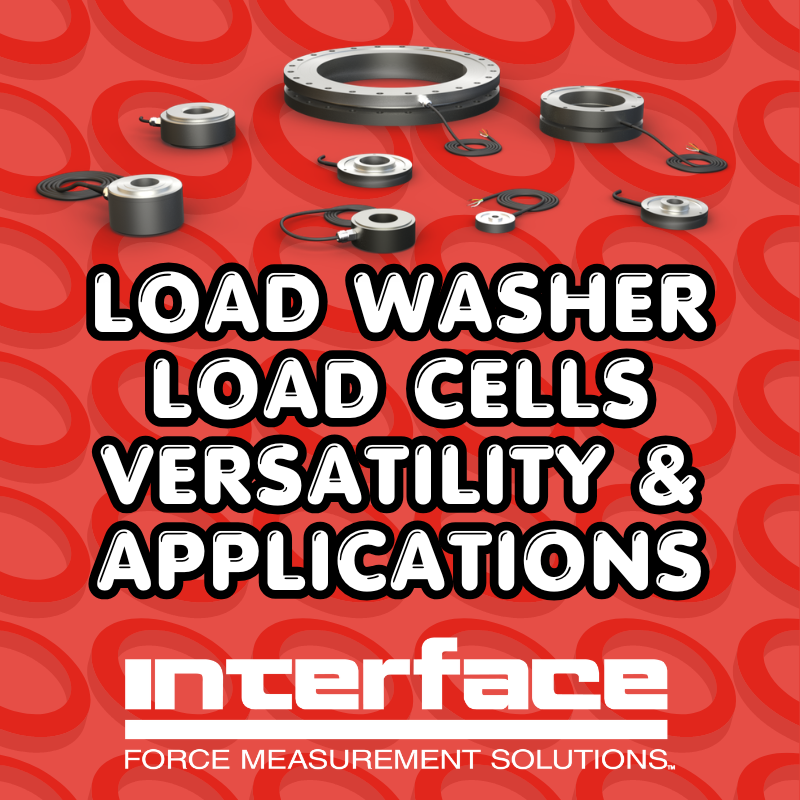
Load Washer Load Cells Versatility and Applications
Interface Load Washer Load Cells miniature force measurement sensors with a hollow, thru-hole center. Standard applications in industries that include manufacturing, robotics, medical devices, energy, automation and test machines use load washers to measure tension, compression, and weight. Learn about the versatility of the load washer in a series of applications.

Understanding Ultra Miniature Load Cells
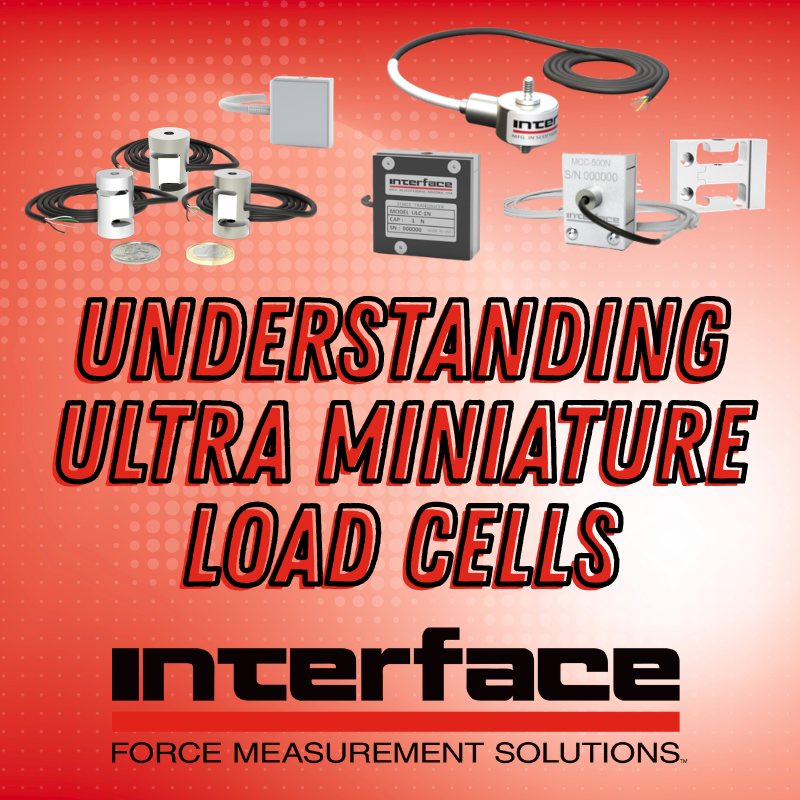
Interface Ultra Miniature Load Cells maintain the demanding performance standards of larger models while addressing the spatial limitations inherent in testing small components or integrating them into devices, parts, or end-products. Selecting an ultra mini sensor, whether a ULC, SuperSC, WMC, or another model, requires understanding the specific form factor and how it handles external loads. The core of this category includes using load cells that fit dimensionally and by capacity and capabilities.

Granular Dynamics of Robot Articulated Sensing
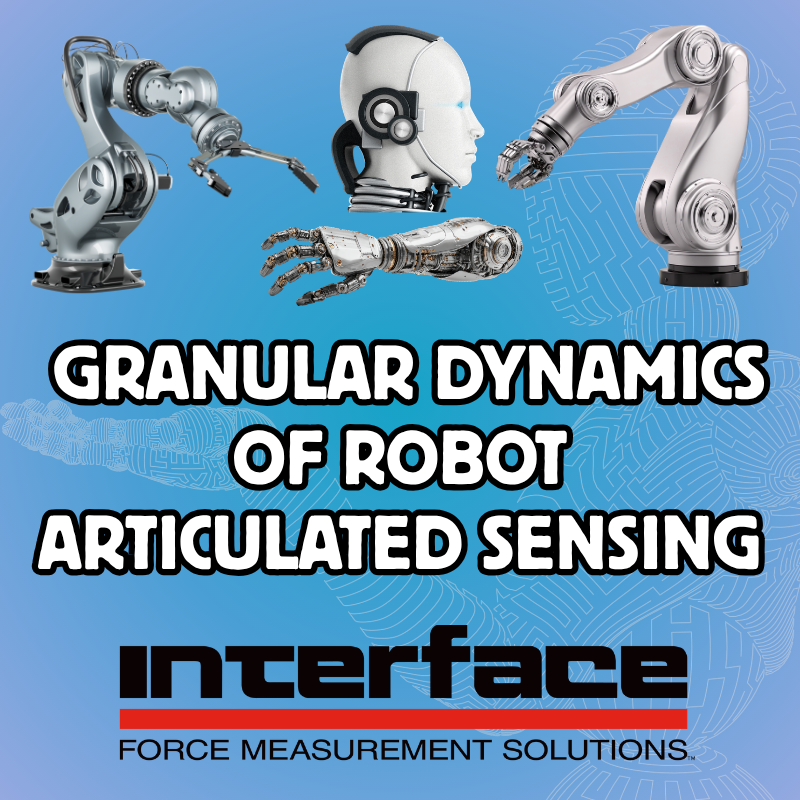
Interface multi-axis sensors are perfect for testing a robot's structural components, including joints, grippers, and specialized end-effectors. Robot design engineers and testing labs focus on precision by setting articulation standards and analyzing performance with detailed assessments and accurate measurements of mechanical motion as it translates into perceptive interaction. The development of robotics is shifting from rigid motion to perceptive interaction, measured with multi-axis sensor technology.

Engineering the Human Touch by Measuring Haptics
Using high-accuracy load cells enables designers to measure these haptic interactions during prototyping, ensuring the final product mimics the weight, snap, and texture of the real world. Interface provides measurement sensors and high-speed instrumentation needed to capture these micro-interactions and turn them into usable haptic data.

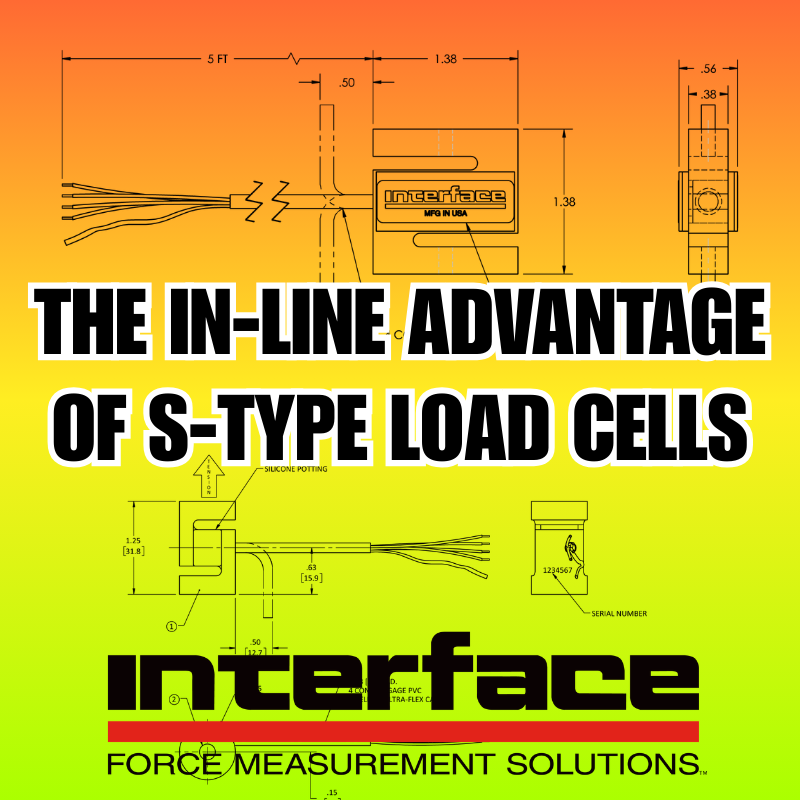
The In-Line Advantage of S-Type Load Cells
Interface S-Type load cells are the preferred choice for in-line force measurement. The miniaturized high-accuracy load cell is easy to integrate due to the compact footprint of the sensor design. Learn the technical details of it's patented unitary construction, flexure zones, and key specifications like static error band and natural frequency ideal for machines, OEMs, automotive, aerospace, medical, and robotic applications.