Bicycle design and testing involve structural, material, and mechanical evaluations to confirm prototypes and durability. For bicycle engineers and designers, ensuring mechanical integrity requires measurement of various forces, torques, and material performance under stress.
Because component fatigue, associated fracturing, or drivetrain failures pose safety risks or recalls, manufacturers rely on clear test data. Load cells, sensors, and torque transducers monitor impacts, fatigue, power transfer, and motor torque over millions of cycles.
Bicycles and Micro-Mobility
The global bicycle and micro-mobility sector has expanded into a complex engineering market driven by urban transport networks, commercial last-mile delivery fleets, and high-performance athletic demands.
Precision force measurement serves as the mandatory checkpoint for all types of bicycles, translating complex rider interactions, electric motor assist forces, and rough terrain impacts into measurable engineering metrics.
Integrating high-performance sensors directly into test frames and active prototypes allows engineering teams to find structural vulnerabilities, material limits, and component friction early in the design cycle. In mass-production and competitive bicycle development, this ongoing physical monitoring proves a reliable safety baseline, preventing frame-cracking fatigue failures and ensuring that braking, steering, and drivetrain assemblies perform predictably across diverse rider demographics and harsh outdoor environments.
Bicycle Sensor Applications
- E-Bike Battery Enclosure Shock and Structural Fatigue Testing
- Front Fork and Rear Shock Absorber Cyclic Loading Evaluation
- Bottom Bracket and Motor Assist Rotational Torque Validation
- Handlebar and Steering Column Impact Resistance Profiling
- Multi-Axis Pedal Downward and Tangential Force Analysis
- Seat Post and Frame Static Deflection Capacity Testing
- Shareable Fleet Ruggedized Locking Mechanism Strength Verification
- Cargo Trike Torsional Frame Twist and Axle Load Tracking
- High-Velocity Wheel Rim Strike and Drop Test Profiling
- Commercial Delivery Trike Brake Lever Actuation Verification
- Carbon Composite Frame Crack Propagation and Cycling Fatigue Mapping
- Mass-Market Youth Bicycle Component Static Load Compliance Testing
Overcoming Component Fatigue and Environmental Testing Challenges
The main challenge in bicycle testing is maintaining measurement stability across various conditions like road vibration, weather, and high-cycle load reversals. Accurate data collection requires low-latency, compact signal conditioning to record rapid load shifts, vibrations, and impact spikes without gaps or attenuation.
Bicycle components often face forces from multiple directions, so sensors must eliminate off-axis interference and crosstalk near moving parts. Since active street testing limits heavy wiring, engineers need small, wireless telemetry solutions that preserve data integrity during rides. Interface offers sealed, fatigue-rated sensors that isolate multidirectional forces and connect to wireless transmitters and digital tools for accurate physical data.
Interface Products Used in Bicycles and Micro-Mobility
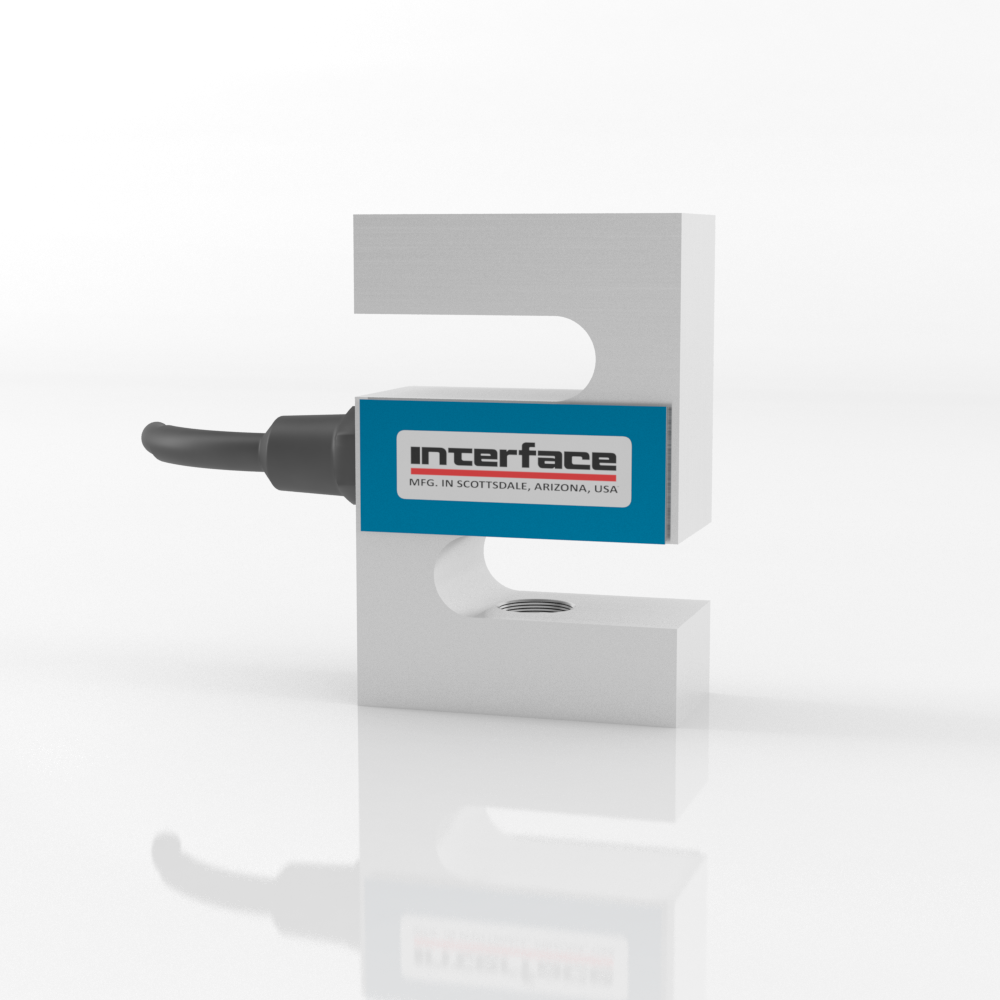
- LowProfile Load Cells
- Mini Load Cells
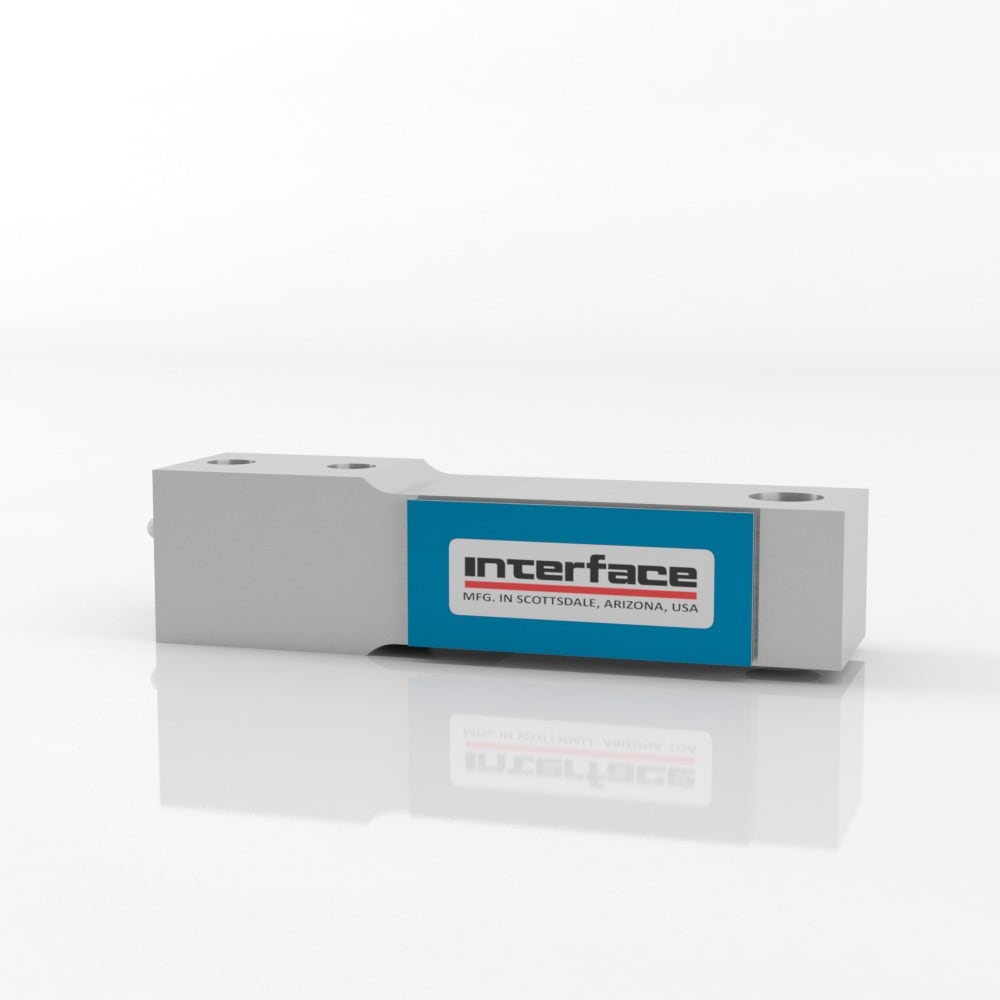
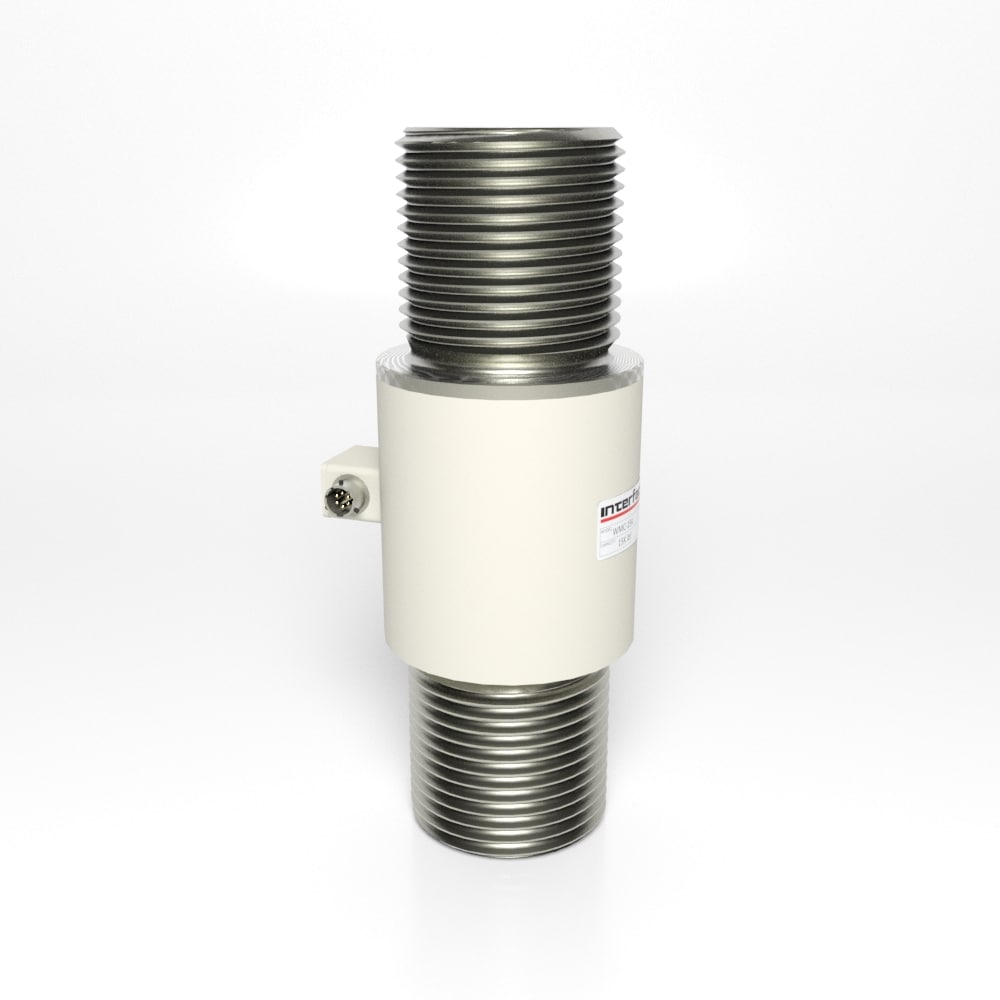
- Fatigue-Rated Load Cells
- Multi-Axis Sensors
- Reaction and Rotary Torque Transducers
- Load Washer Sensors
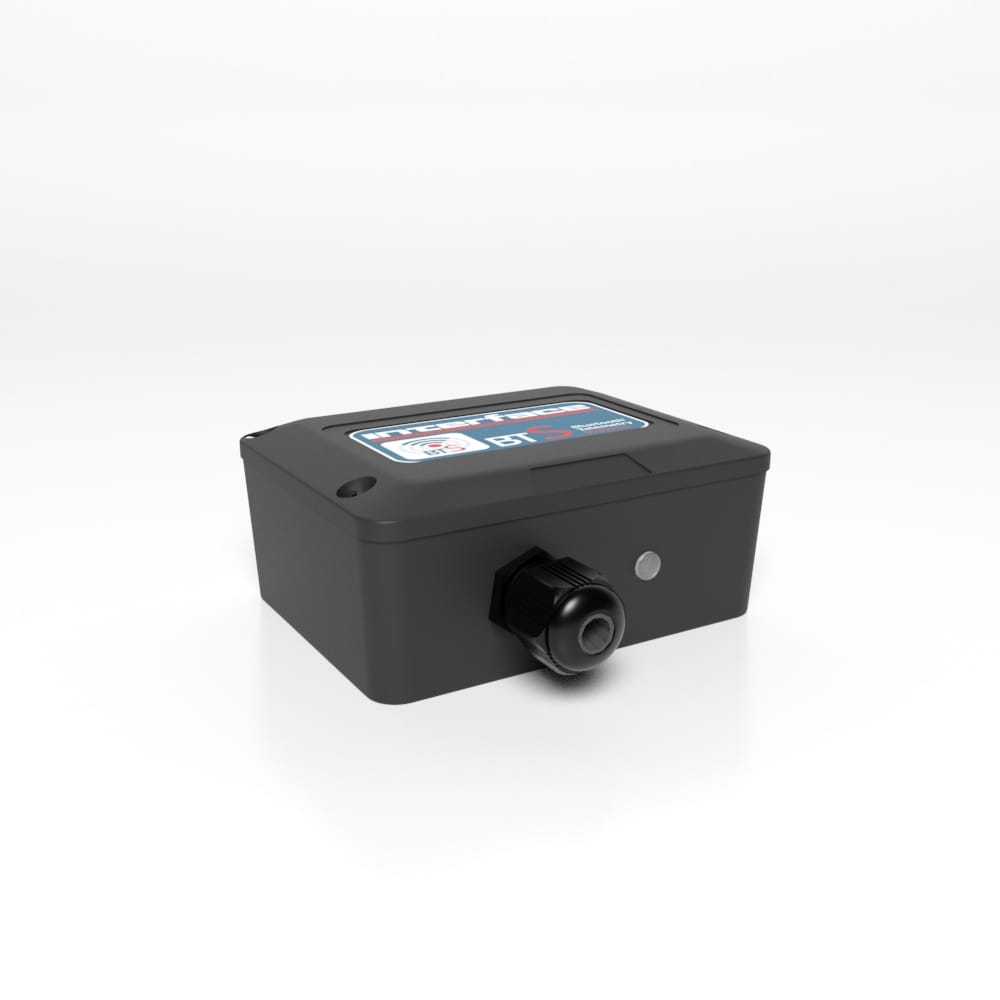
- Wireless Telemetry Systems
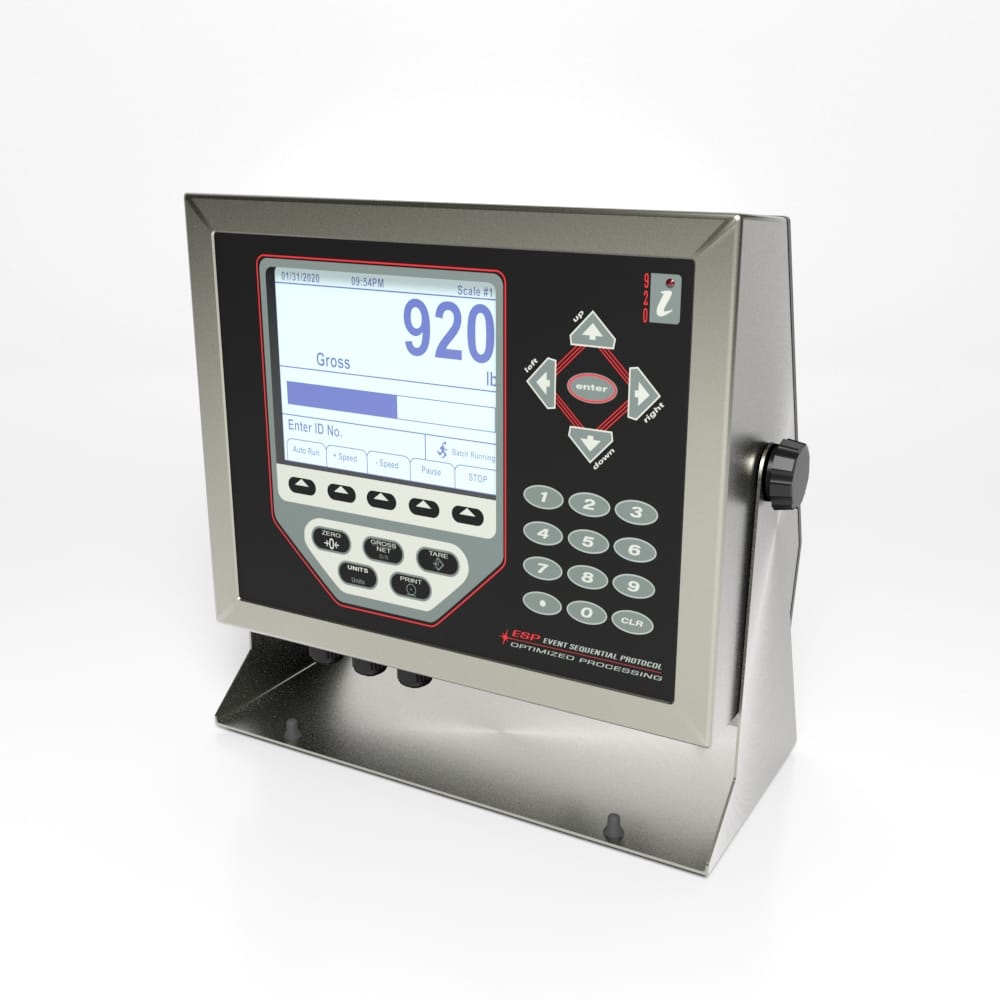
- Instrumentation
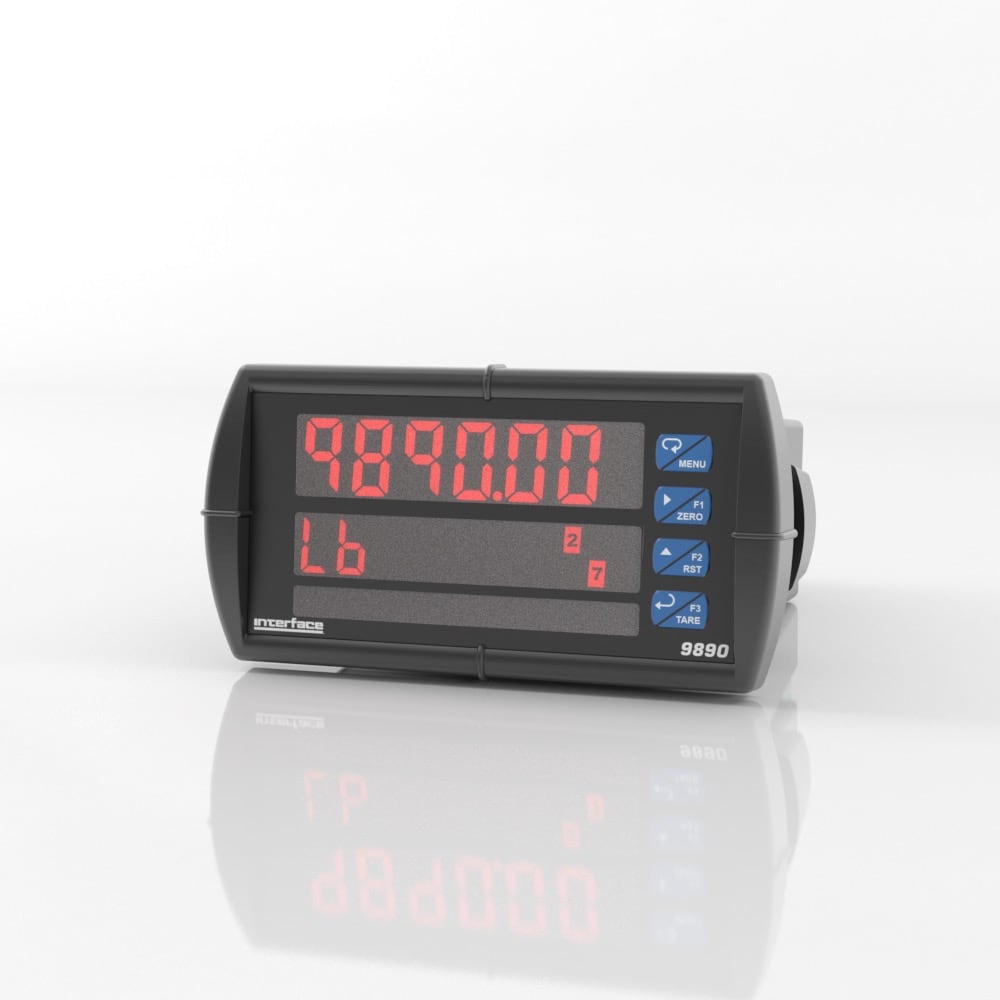
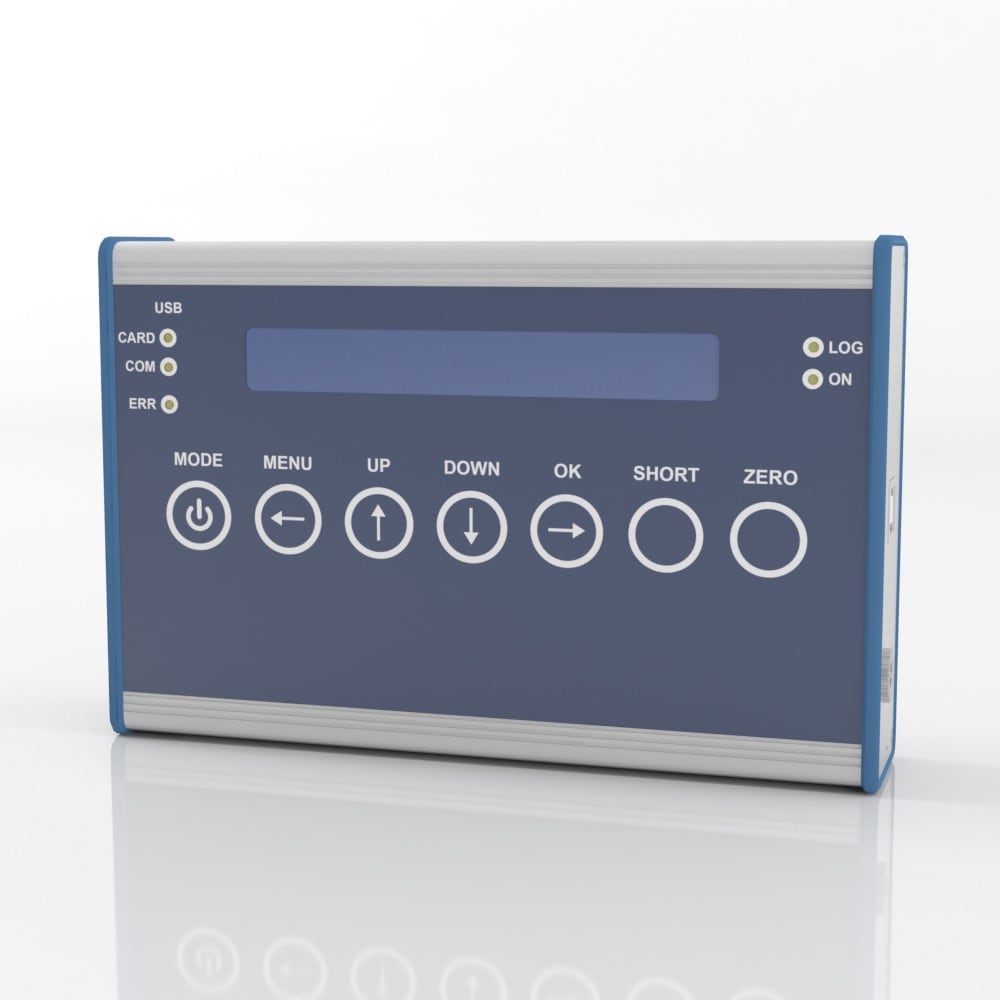
- Digital and Portable Instruments
- Data Acquisition (DAQ) Systems
- Interface Blue® Bluetooth® Enabled Instruments
- Load Pins
- Custom Solutions
- Complete Systems
Why Accurate Test and Measurement Data Moves Bicycle Engineering Forward
Precision measurement serves as the foundation for bicycle optimization, converting complex structural interactions into actionable engineering insights. Interface provides highly accurate load cells, torque transducers, multi-axis sensors, instrumentation, and data acquisition systems for engineers and validation teams to accurately track structural loading, force, weight, and torque across all types of e-bikes, performance designs, cargo trikes, and shareable fleet assets.
Interface sensors and hardware ensure that cycle designers can confidently validate structural safety, maximize energy efficiency, continuously push material boundaries, and maintain high operational uptime across the consumer products sector.

 Bike Handlebar Fatigue Testing
 Bike Power Pedals
 Canoe Paddle Force Testing
 Chocolate Melanger Torque
 Claw Machine Strength
 Fitness Equipment and Machines
 Mountain Bike Shocks Testing
 Printer Cartridge Seal
 Water Bottle Dispensing and Weighing
 Weave Loom Efficiency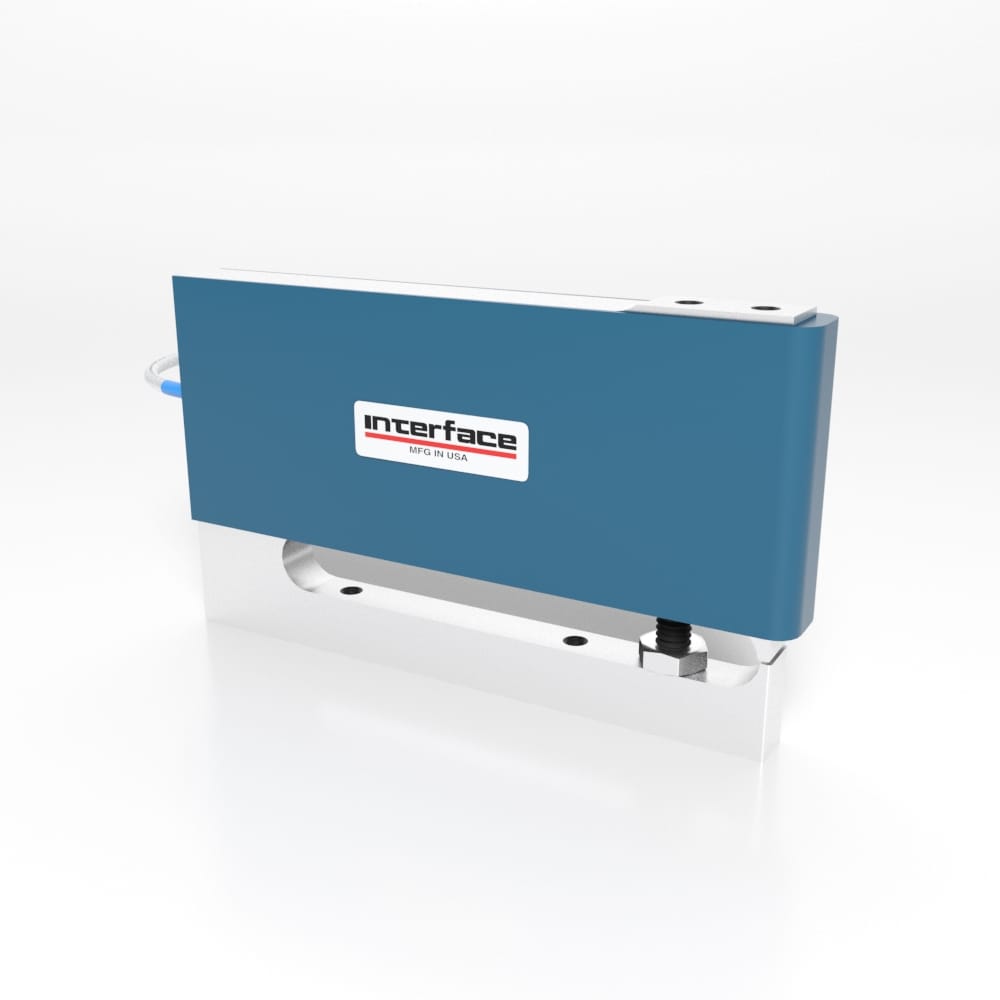


Taking Measure of Miniature Load Cells Webinar
/in Virtual Event /by Jamie GlassInterface force measurement engineers and solution experts host an online discussion focused on products used to withstand one or more conditions related to temperature, cycling, moisture, environmental stresses. Learn about Interface’s stainless steel load cells, environmentally sealed options, submersible test and measurement products, enclosures, wireless capabilities, load pins, intrinsically safe products. We detail solutions used for all types of applications used in industries that include medical device, aerospace and defense, industrial automation, infrastructure, maritime and general test & measurement. We discuss sensors models, capabilities, features and FAQs. We dive into use cases, tips, measurement know-how and OEM products.
Interface Solutions for Consumer Products
/in Blog /by Jamie GlassInterface’s force measurement solutions affect every industry and all types of products. Chances are that the everyday consumer has purchased and used something evaluated with or utilizing an embedded force sensor. In fact, Interface has a long history in providing […]
Interface Solutions in the World of Sports
/in Blog /by Jamie GlassWith our headquarters in the golf capitol of the U.S., it is easy to see why Interface test and measurement solutions rank top for engineers and golf manufacturers to test the force of golf balls, range equipment, clubs, and even […]
Fitness Equipment Makers Require Extreme Accuracy
/in Blog /by Jamie GlassInterface’s specialty is building solutions for the testing and monitoring of parts and total systems that move and create force. One of the industries where this is critical is the fitness industry. Equipment and fitness machines, whether designed for in-home […]
Users of Interface Test and Measurement Products
/in Blog /by Jamie GlassInterface has a long history working with several types of users that rely on our products for test and measurement. From pioneering engineers working in campus labs to ground-breaking scientists and innovators finding solutions to complex problems. We often share […]
Interface Helps Power the World
/in Blog /by Jamie GlassAs technology and infrastructure have advanced to accommodate various forms of energy collection, the role of force measurement in the test and manufacturing of these machines has grown significantly. As a precision force measurement solutions provider, Interface has been a […]
Interface Plays a Role in Testing Bicycles
/in Blog /by Brian JohnsonInterface sensors are used in a never-ending list of products, from heavy machinery to miniature medical devices. In the spirit of the Olympics, we thought we would share how our force and torque technologies are used to test and measure […]
Interface Forms Partnership with Manufacturers’ Representative Hill and Company
/in Blog /by Brian JohnsonIn a move that expands Interface’s ability and expertise in serving our customers across a wide range of industries in the Midwest, Interface today announced a new partnership with manufacturers’ representative Hill and Company. Hill and Company brings more than […]
Applications for Consumer Products and Packaging
/in Blog /by Brian JohnsonWhen we think about force measurement and its relation to product development, we often consider the aerospace, automotive or industrial industry. However, many of Interface’s customers use load cells and torque transducers to test and develop machinery used for consumer […]
Load Cells for Consumer Product Applications
/in Blog /by Brian JohnsonTypically, when engineers talk about load cells and their multitude of uses, it is assumed the applications are large-scale industrial projects like airplanes, rockets, and automobiles. However, did you know Interface load cells are regularly used for research and development […]