Tag Archive for: Interface Tech Talk
 https://www.interfaceforce.com/wp-content/uploads/INTERFACE-TECH-TALK-load-profile.png
800
800
Jamie Glass
/wp-content/uploads/Interface_White_Red.svg
Jamie Glass2026-10-20 08:08:442026-10-19 12:00:29What is A Load Profile in Test and Measurement?
 https://www.interfaceforce.com/wp-content/uploads/INTERFACE-TECH-TALK-universal-test-machines.png
800
800
Jamie Glass
/wp-content/uploads/Interface_White_Red.svg
Jamie Glass2026-10-01 08:08:252026-09-28 11:21:13How Do Universal Testing Machines Use Load Cells?
 https://www.interfaceforce.com/wp-content/uploads/INTERFACE-TECH-TALK-FATIGUE-VS-IMPACT-TESTING.png
800
800
Jamie Glass
/wp-content/uploads/Interface_White_Red.svg
Jamie Glass2026-09-01 08:08:542026-08-31 14:19:42What Is the Difference Between Fatigue and Impact Testing?
 https://www.interfaceforce.com/wp-content/uploads/INTERFACE-TECH-TALK-single-load-cell-platform-weighing.png
800
800
Jamie Glass
/wp-content/uploads/Interface_White_Red.svg
Jamie Glass2026-07-30 08:08:112026-07-29 13:33:34Why Use a Single Load Cell for Platform Weighing?
 https://www.interfaceforce.com/wp-content/uploads/INTERFACE-TECH-TALK-setpoints-and-relays.png
800
800
Jamie Glass
/wp-content/uploads/Interface_White_Red.svg
Jamie Glass2026-05-28 08:08:032026-10-08 07:48:53How Do You Use Setpoints and Relays?
 https://www.interfaceforce.com/wp-content/uploads/INTERFACE-TECH-TALK-thermal-specifications-1.png
800
800
Jamie Glass
/wp-content/uploads/Interface_White_Red.svg
Jamie Glass2026-04-30 08:08:272026-04-30 08:45:15How Do Thermal Specifications Influence Sensor Selection?
 https://www.interfaceforce.com/wp-content/uploads/strain-versus-stress.png
800
800
Jamie Glass
/wp-content/uploads/Interface_White_Red.svg
Jamie Glass2026-04-21 08:08:292026-04-20 13:36:57The Divergence in Force Measurement of Strain Versus Stress
 https://www.interfaceforce.com/wp-content/uploads/INTERFACE-TECH-TALK-torque-wrenches-.png
800
800
Jamie Glass
/wp-content/uploads/Interface_White_Red.svg
Jamie Glass2026-02-10 08:08:042026-04-30 14:37:33Why Do Torque Wrenches Use Transducers?
 https://www.interfaceforce.com/wp-content/uploads/lowprofile-compression-only-installation.png
800
800
Jamie Glass
/wp-content/uploads/Interface_White_Red.svg
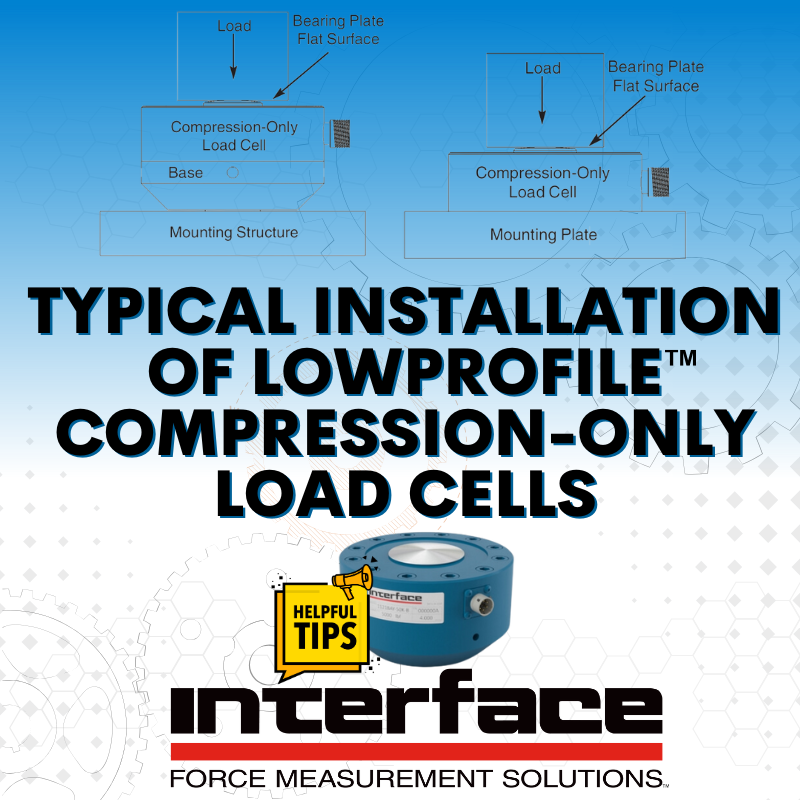
Jamie Glass2026-01-27 08:08:282026-01-26 17:30:43Typical Installation of LowProfile Compression-Only Load Cells