Rigging is an engineering process that uses ropes, chains, slings, hoists, and specialized hardware to lift, maneuver, hold, and position heavy structural loads across diverse industrial environments. In the lifting industry, rigging engineers and safety directors rely on precise load and tension measurements to validate lifting plans, maintain structural balance, and ensure absolute operational safety. Interface sensor technologies, including load cells, load shackles, tension load links, load pins, and wireless telemetry systems (WTS) products, provide the structural integrity and data accuracy required to continuously monitor heavy lifts from initial rig-up through final placement.
Across maritime docks, aerospace assembly bays, construction sites, and theatrical sets, this continuous physical telemetry establishes a reliable safety baseline, preventing equipment degradation and ensuring that heavy-duty rigging components operate well within their certified safe working load (SWL) limits.
Rigging Challenges
The rigging sector operates under zero-tolerance safety mandates, where unverified load weight or improper cable tension can compromise the entire lifting apparatus. Precision force measurement forms the foundation of the safety and operational data loop, converting dynamic pulling forces, suspended weight, and cable tension into immediate, actionable engineering metrics.
Because overloading, uneven weight distribution, or dynamic load spikes can cause catastrophic hardware failure, unexpected rigging collapses, or severe personnel injuries, real-time force measurement is essential. Integrating high-accuracy sensors directly into lifting lines, crane blocks, and mooring points enables rigging engineers to create real-time load maps, set automated overload shut-off limits, and monitor structural strain during complex tandem lifts.
Interface Rigging Solutions
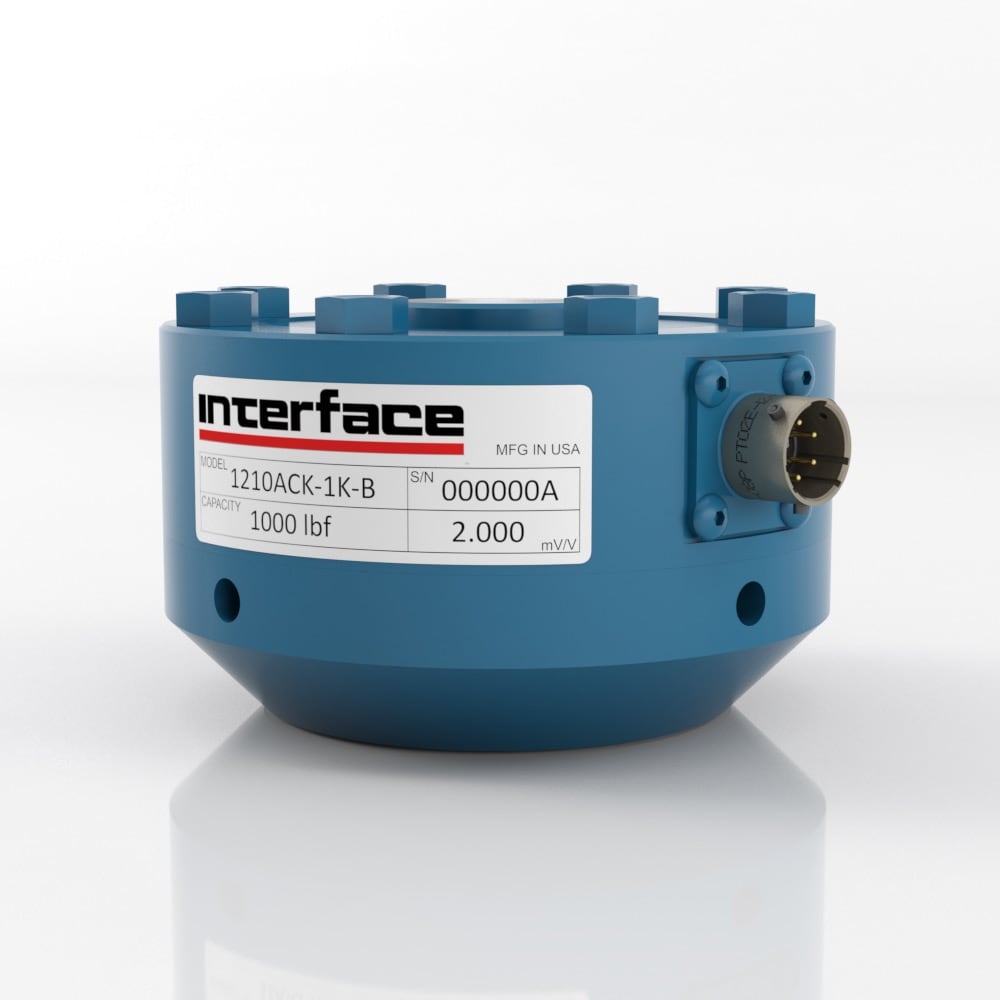
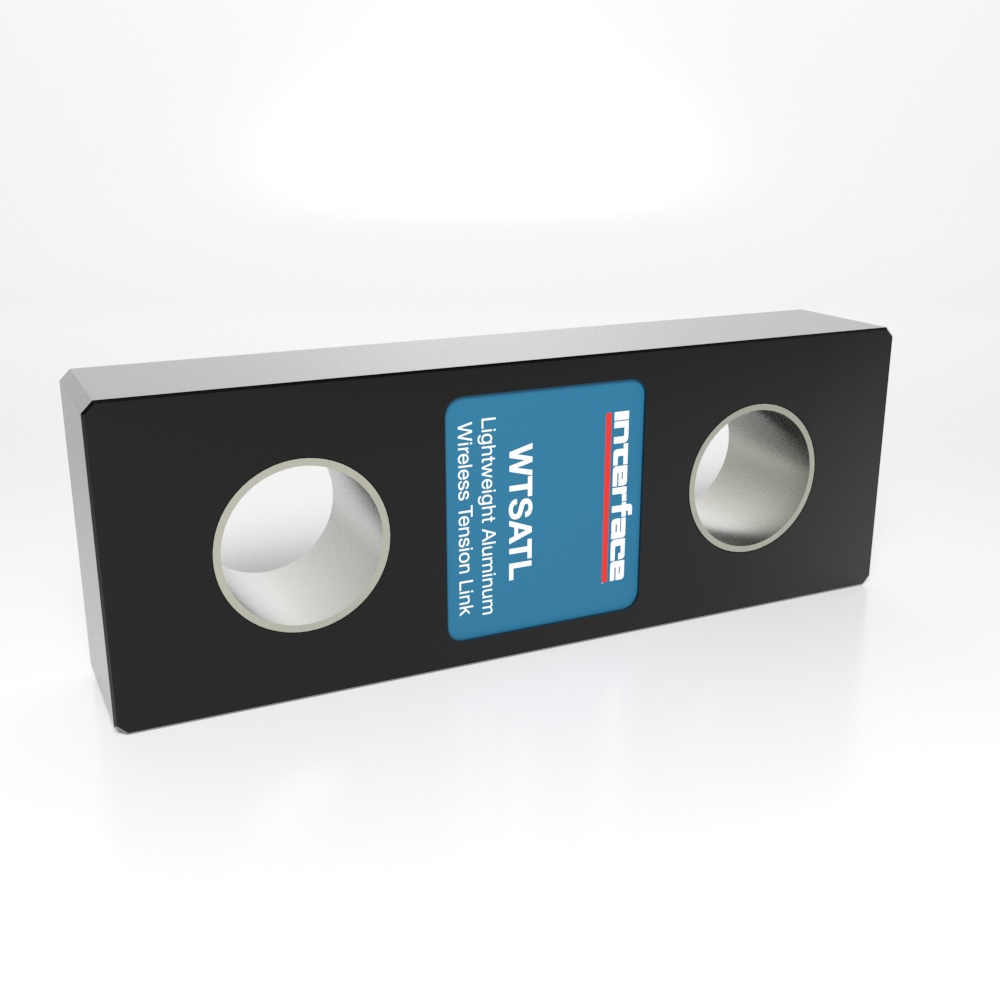
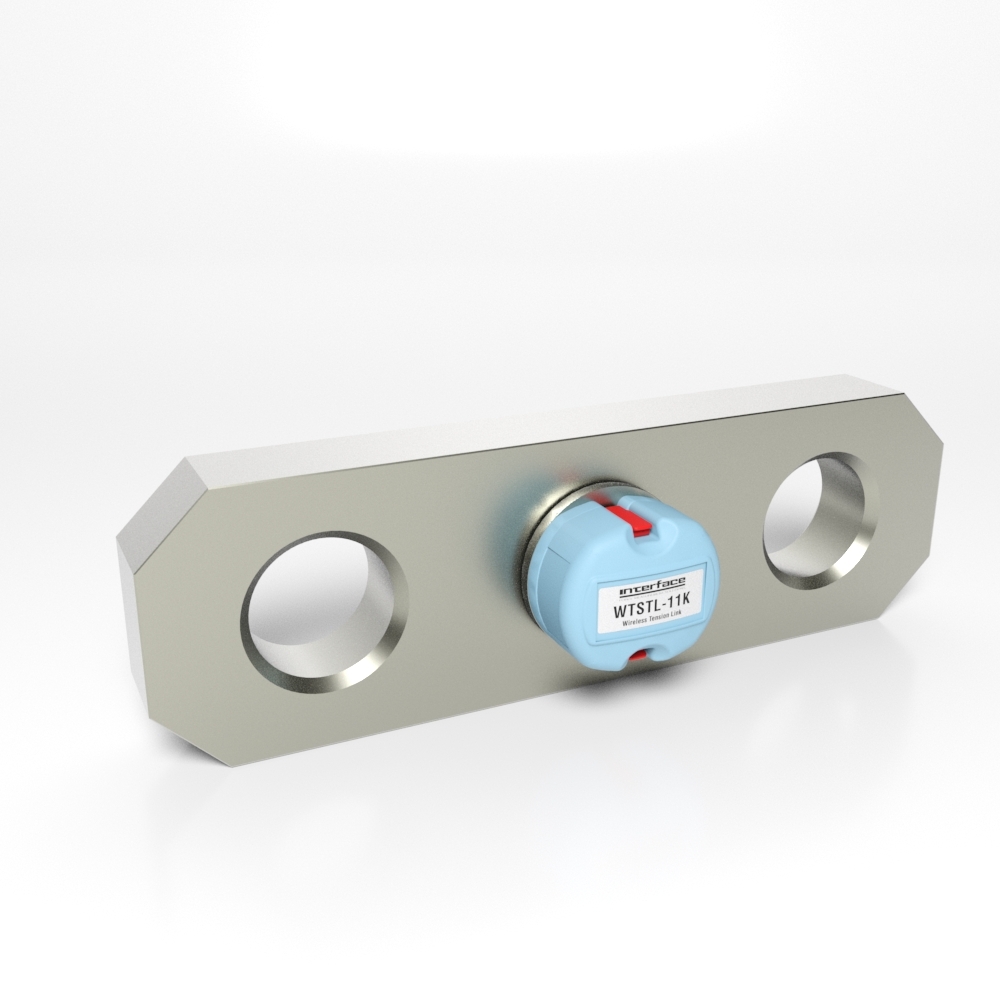
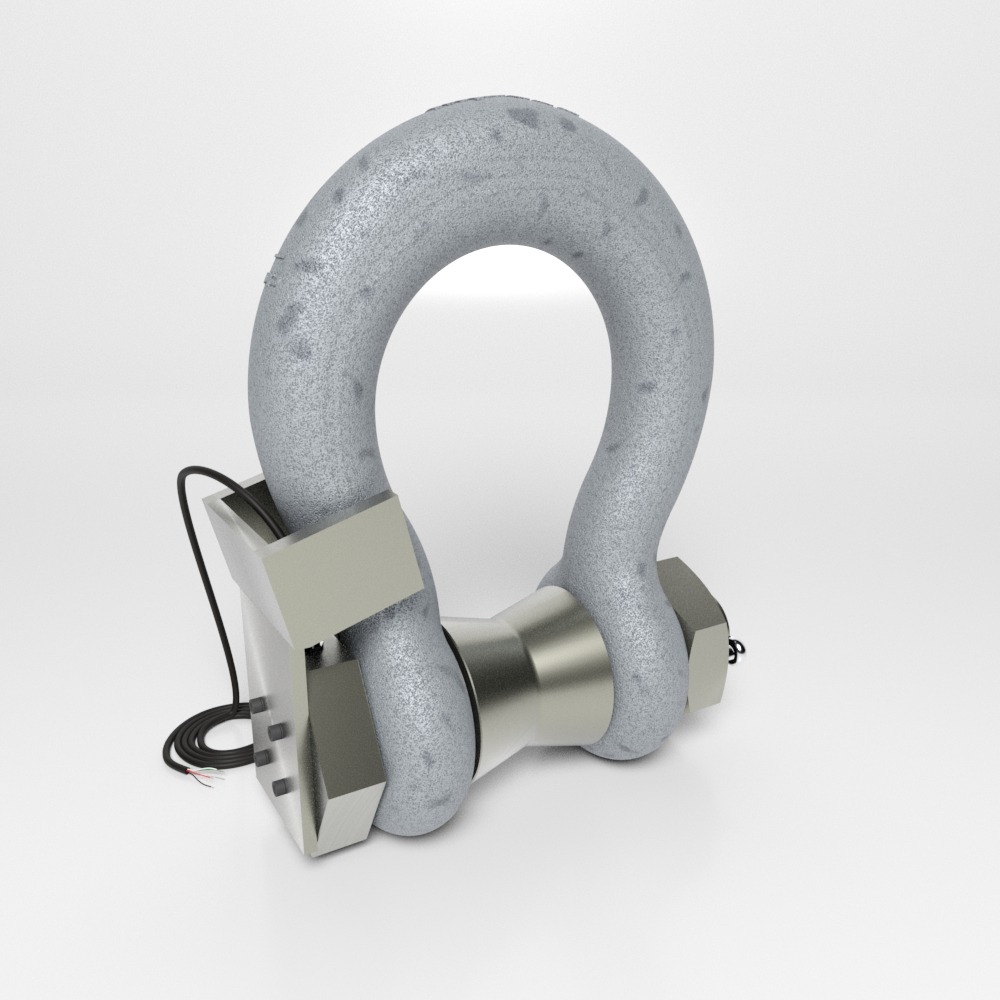
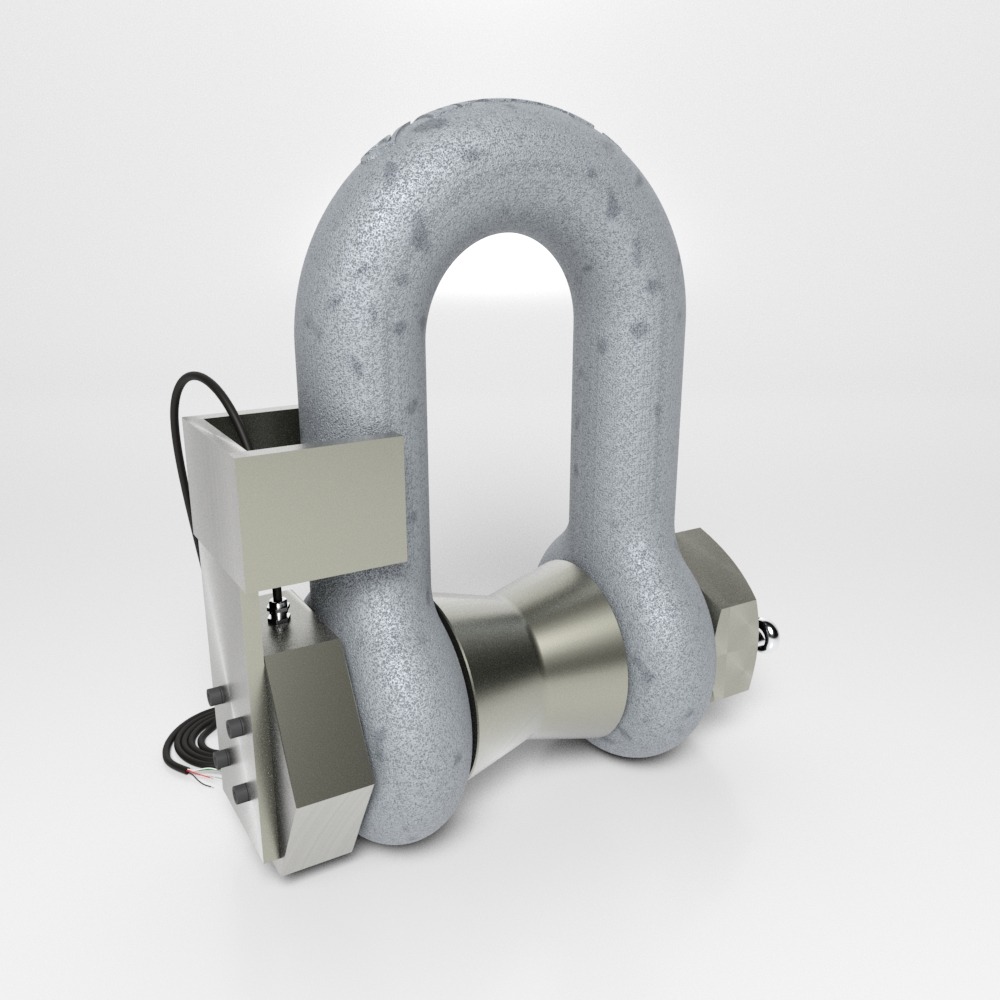
Executing complex rigging requires rugged force sensors that endure outdoor conditions, vibrations, and severe weather. As industries adopt larger modules and automated lifts, precise tension and weight monitoring at key points is crucial. Interface offers cable and wireless Crosby™ Load Shackles, tension links, custom load pins, and LowProfile Load Cells designed to measure tension, compression, and center-of-gravity without adding weight or changing rigging geometry.
Rigging Applications Using Interface Products
- Gantry, Overhead, and Mobile Crane Load and Weight Monitoring
- Aircraft and Space Vehicle Rigging for Assembly
- Engine Hoist Tension Profiling
- Mooring Line and Anchor System Tension Testing
- Stage and Aerial Arts Rigging Safety Line Validation
- Bridge Cable Tension Tracking
- Hoist and Safety Harness Durability Load Testing
- Heavy Equipment Transfer and Deck Load Mapping
- Conveyor and Hopper Weight Monitoring
- Power Line Suspension and Utility Cable Tension Calibration
- Structural Beam Pile Driving
- Lift Platform Overload Protection
- Center-of-Gravity Analysis and Monitoring
- Winch, Sling, and Pulling Cable Proof Load Testing
Overcoming Cable Management and High-Risk Lifting Challenges
Heavy rigging’s main challenge is maintaining sensor calibration and data transmission in high-risk environments with severe conditions such as wind, saltwater spray, and mechanical shock. Using physical cables on long crane booms or in complex rigging creates hazards such as snagging, wear, and signal loss. To capture these forces safely, low-latency, high-bandwidth wireless systems are needed to provide real-time data on peak loads, tension drops, and sway forces.
Furthermore, loads often don’t distribute force evenly, so sensors must withstand off-axis loads without distortion or drift. Rigging configurations vary, so versatile, quick-connect sensors for standard clevises and shackles are essential. Interface provides rugged, weatherproof load shackles, wireless strain transmitters, and handheld displays that isolate tension, reduce cable clutter, and ensure continuous data during lifts.
Interface Products Used in Rigging
- LowProfile Load Cells
- Crosby™ Bow Load Shackles
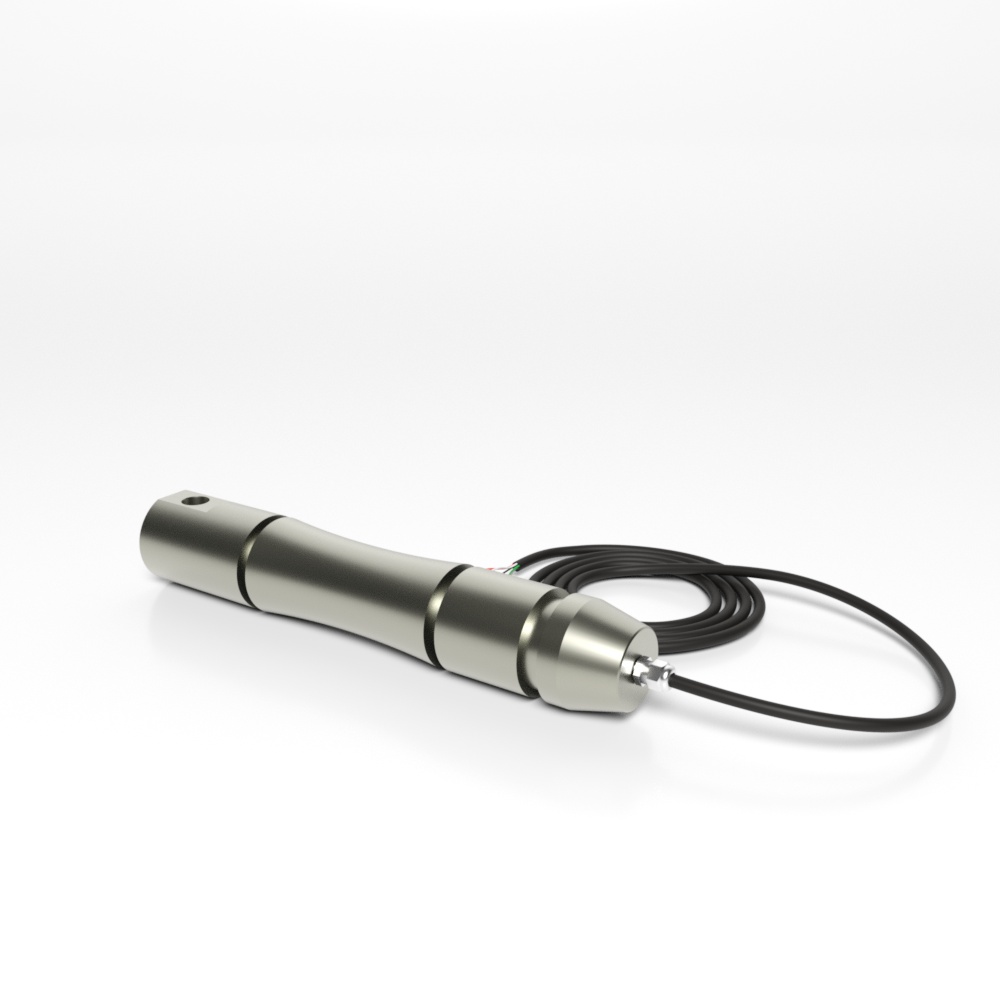
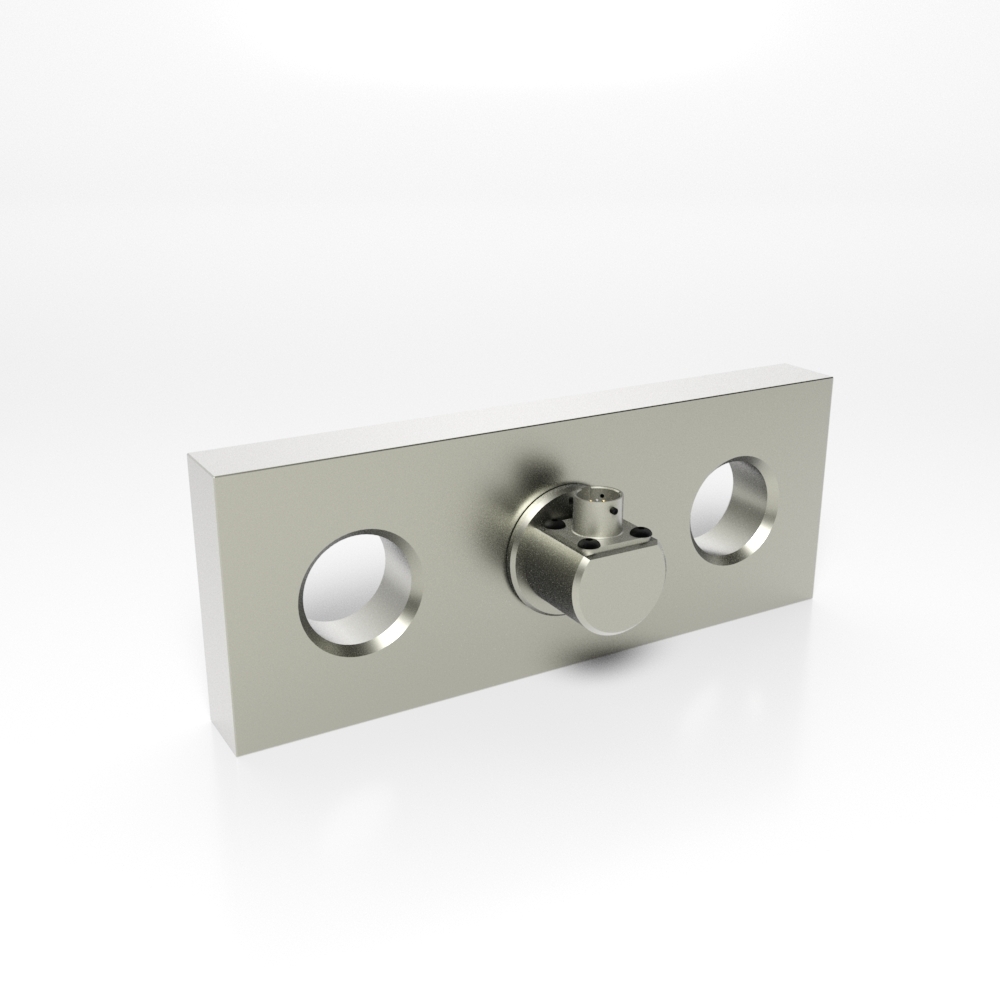
- Tension Load Links
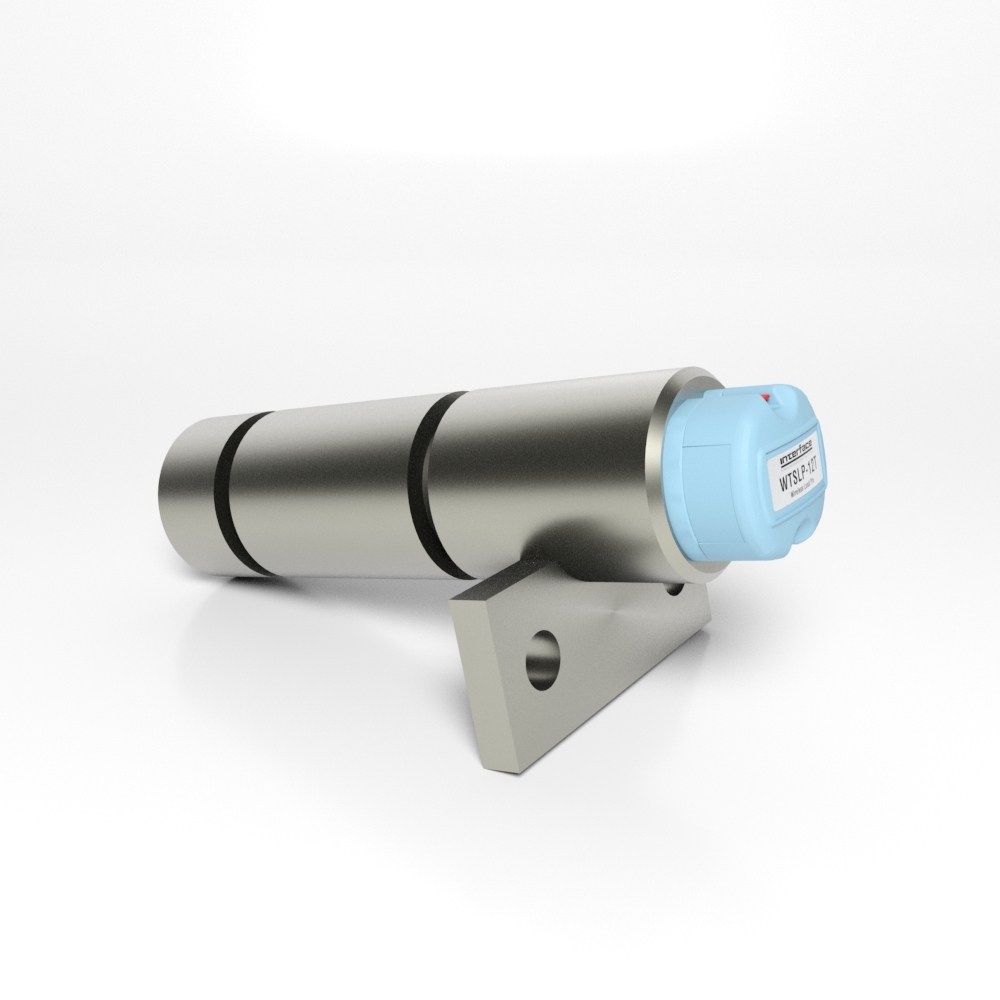
- Load Pins
- Mini Load Cells
- Multi-Axis Sensors
- Wireless Telemetry Systems
- Handheld Displays
- Digital Instrumentation and Signal Conditioners
- Data Acquisition (DAQ) Systems
- Custom Solutions
- Complete Systems
Safety in Rigging Operations
Without high-accuracy measurement solutions, heavy rigging relies on static estimates that don’t account for wind, binding, or uneven weight. If engineers can’t verify loads or cable tension during operations, systems risk overloads, tipping, or failure. Accurate force data offers real-time insights for balancing loads, confirming structural integrity, and complying with regulations.
Interface provides rugged sensor tech with high resolution for safe, compliant rigging. Our load shackles, pins, and tension links, known worldwide for low deflection, shock resistance, and wireless reliability, ensure critical load data is instantly available across maritime, construction, aerospace, energy, industrial, and entertainment sectors.
 Aerial Lift Overload Control
  Bridge Lifting and Positioning
 Commercial Fishing Wire Rope Testing
 Hydraulic Jacking System Testing
 Jib Crane Tension Monitoring
 Lifting Heavy Objects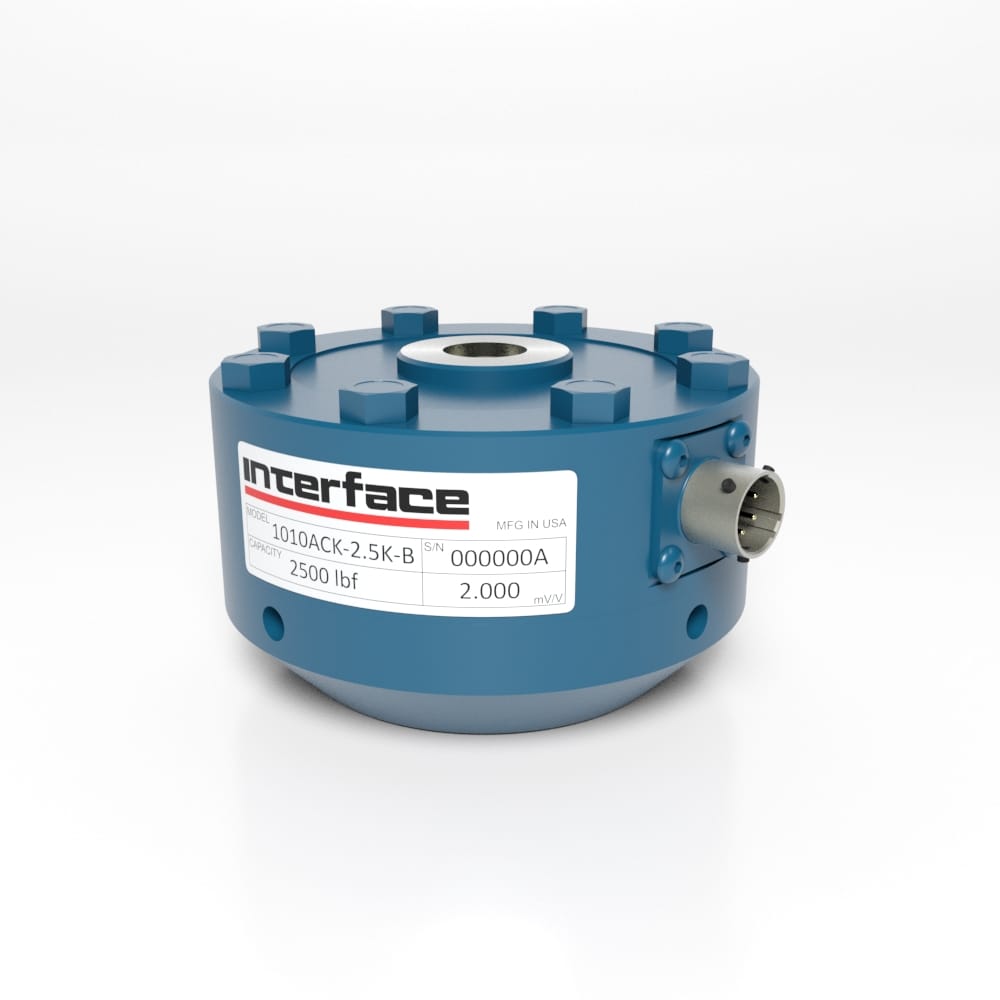



Interface Sensors Steer Construction Machinery Performance
/in Blog /by Jamie GlassInterface measurement solutions provide critical force, torque, and weight data for construction machinery. Interface load cells, torque transducers, load pins, tension load links, and load shackles, contribute to the efficient functioning of these heavy-duty mechanical pieces of equipment. Interface products are used for construction machinery safety protocols, heavy equipment testing, overload monitoring, machine maintenance, and accurate regulatory and compliance data.
The Importance of Load Cells in Oil and Gas
/in Blog /by Jamie GlassInterface load cells are used in many facets of oil and gas, including to ensure safe lifting, enhance equipment integrity, provide accurate measurements in field operations, and even assist with optimal storage tank management. Our energy solutions include load cells that are used on rigs, downhole projects, extraction tools, and field support systems. We offer products ideal for harsh environments, extreme temperatures, and even submersible projects. Learn about our dry cell technology and IPCD product for downhole operations.
Load Cells Elevate Gantry Crane Performance
/in Blog /by Jamie GlassInterface load cells, load pins, tension links, wireless telemetry systems, and instrumentation devices are used for gantry crane safety monitoring, alert systems, overloading protection, retrofitting old equipment, and accurately measuring the tension, force, and weight during lifting operations.
Seaside Ports are Optimizing Efficiency and Safety Using Interface Sensor Technologies
/in Blog /by Jamie GlassInterface supplies measurement solutions to infrastructure and equipment makers for seaside ports, global trade shipping companies, and waterway terminals that heavily rely on quality measurement solutions. Our sensor technologies are used in cranes, gantry systems, lifting reach stackers, hoisting equipment, winches, anchors and mooring lines, plus weighbridges and scales. Ports turn to Interface for accurate load cells, load pins, shackles, tensions links, submersible solutions and wireless instrumentation.
A Great Force for Crane and Hoist Solutions
/in Blog /by Jamie GlassLCM-made products in Interface’s 35,000-plus catalog include Load Pins, Tension Links, and Shackles. This includes options for standard products, engineered-to-order, completely custom, ATEX, submersibles, and wireless solutions. Interface and recently acquired LCM Systems offer our customers powerful and diverse measurement devices for hoisting, winching, lifting, subsea, infrastructure, and industrial manufacturing applications.
Year in Review of Top Interface Solutions and Applications
/in Blog /by Jamie GlassInterface is at the forefront of innovative use cases and applications, providing quality devices worldwide to gather precision measurements. Interface unveils the top industry solutions, product use cases and applications that define force measurement in 2023.
Digging Into Interface Mining Industry Solutions
/in Blog /by Jamie GlassInterface products are essential for designing, testing, and utilizing mining equipment, machines, components, and systems. Our load cells, instrumentation, torque transducers, multi-axis sensors, load shackles, and tension links are used in tools and equipment for the mining industry. Interface measurement solutions help to optimize mine structural supports, digging equipment, and lifting processes to reduce wear and tear on equipment and prevent overloading, which can lead to costly downtime and maintenance.
Interface Engineered Solutions for Lifting Webinar Recap
/in Blog /by Jamie GlassInterface webinar Engineered Solutions for Lifting details force, torque, and weighing measurement products in lifting equipment like cranes, movers, rigging, simulators, drones, and medical devices. During this recorded webinar, experts provide tips for lifting, technical considerations, industry applications, load cells, instrumentation product reviews, and engineering recommendations for troubleshooting and preventing overloading. Sensors are central in lifting equipment to maintain safety, quality, compliance, and efficiency. Interface provides a useful product selection online resource for lifting applications. Watch to learn more.
Universal Load Cells 101
/in 101 Series, Blog /by Jamie GlassInterface Universal Load Cells offer the ability to measure both tension and compression forces. They are versitile force measurement solutions used for all types of applications that need to measure force, weight and shear. Interface’s Model 1200 and 1201 Series IO-Link Universal Load Cells are pancake style load cells that are IO-Link compatible with an open standard serial communication protocol that allows for the bi-directional exchange of data from sensors and devices.
Outlining Force Solutions for Structural Outrigging
/in Blog /by Jamie GlassInterface provides load cells and wireless technologies for structural outrigging. Force measurement sensor technologies provide high accuracy measurement of the outrigging equipment in test and actual use. The applications range from integrating sensors into outrigger equipment to using load cells for real-time monitoring of physical structures using outrigger supports. Interface load cells are used by outrigging engineers, civil engineers and heavy equipment manufacturers, oil and gas, construction industry and marine equipment companies.