Rigging is an engineering process that uses ropes, chains, slings, hoists, and specialized hardware to lift, maneuver, hold, and position heavy structural loads across diverse industrial environments. In the lifting industry, rigging engineers and safety directors rely on precise load and tension measurements to validate lifting plans, maintain structural balance, and ensure absolute operational safety. Interface sensor technologies, including load cells, load shackles, tension load links, load pins, and wireless telemetry systems (WTS) products, provide the structural integrity and data accuracy required to continuously monitor heavy lifts from initial rig-up through final placement.
Across maritime docks, aerospace assembly bays, construction sites, and theatrical sets, this continuous physical telemetry establishes a reliable safety baseline, preventing equipment degradation and ensuring that heavy-duty rigging components operate well within their certified safe working load (SWL) limits.
Rigging Challenges
The rigging sector operates under zero-tolerance safety mandates, where unverified load weight or improper cable tension can compromise the entire lifting apparatus. Precision force measurement forms the foundation of the safety and operational data loop, converting dynamic pulling forces, suspended weight, and cable tension into immediate, actionable engineering metrics.
Because overloading, uneven weight distribution, or dynamic load spikes can cause catastrophic hardware failure, unexpected rigging collapses, or severe personnel injuries, real-time force measurement is essential. Integrating high-accuracy sensors directly into lifting lines, crane blocks, and mooring points enables rigging engineers to create real-time load maps, set automated overload shut-off limits, and monitor structural strain during complex tandem lifts.
Interface Rigging Solutions
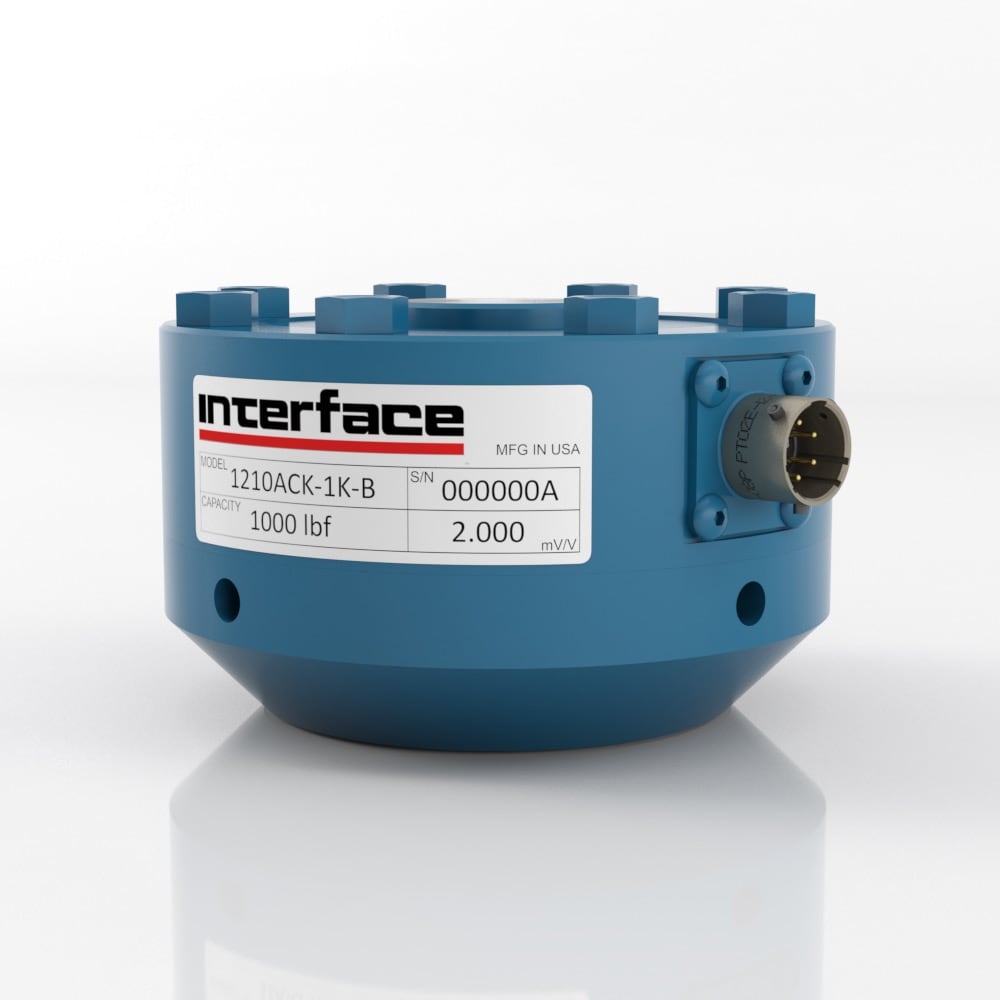
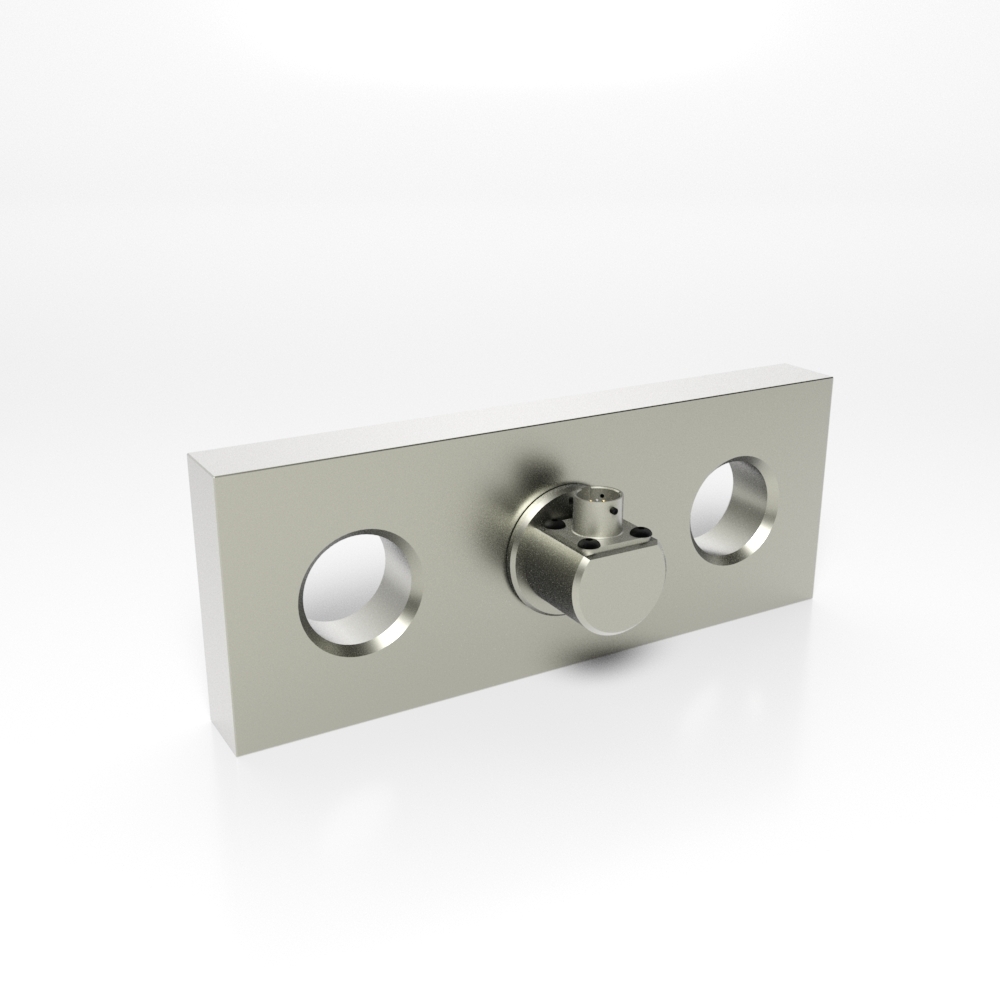
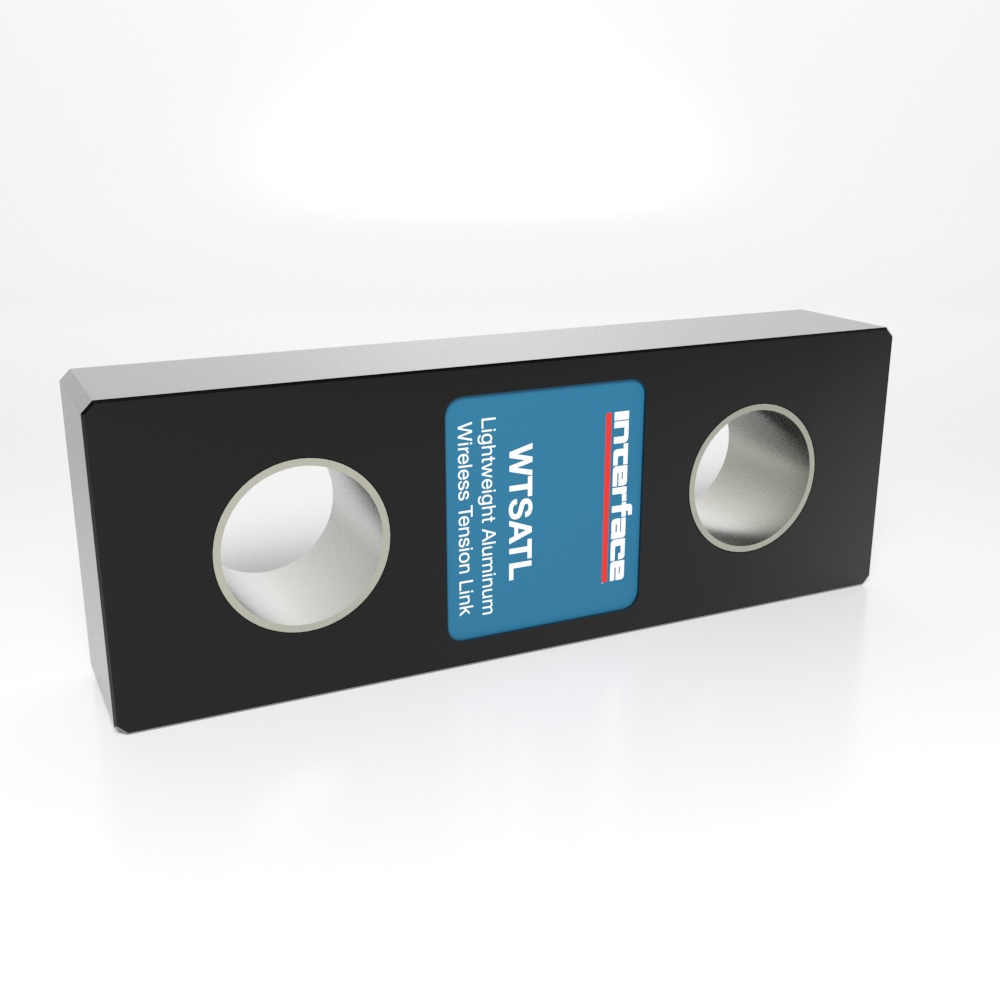
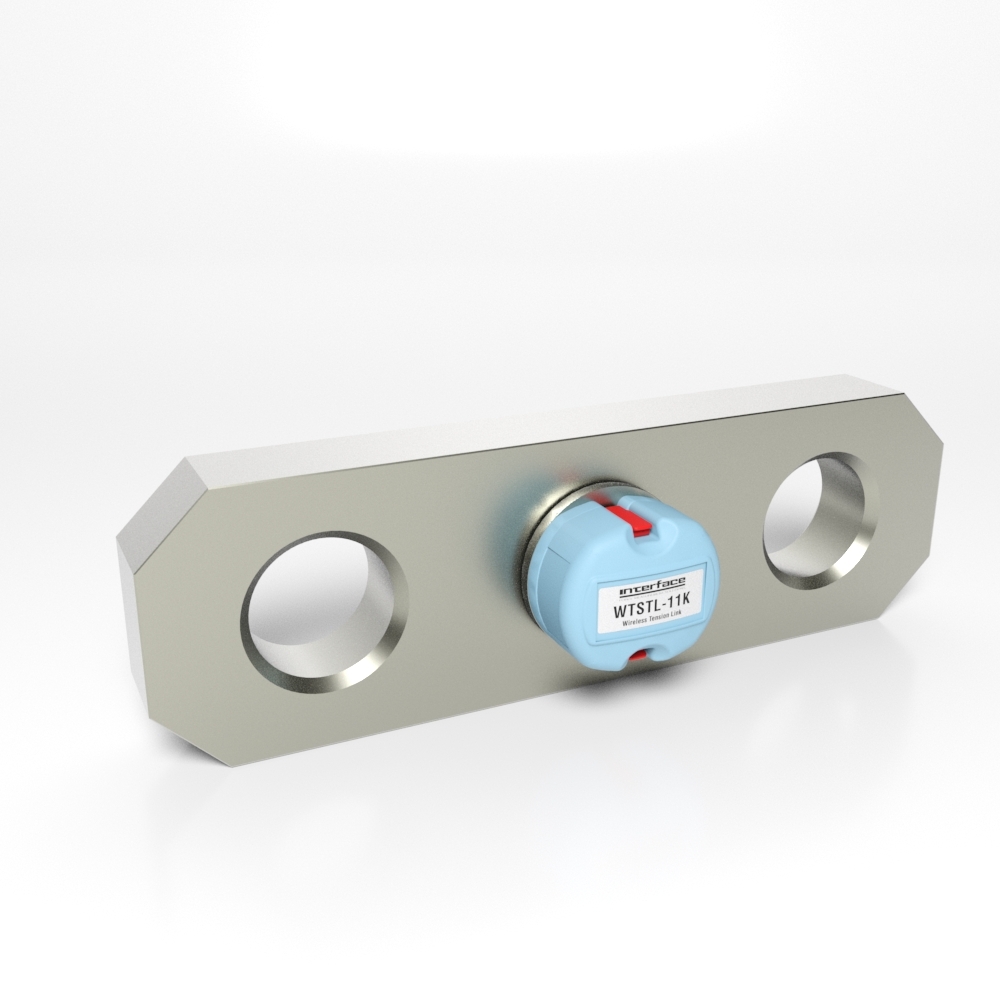
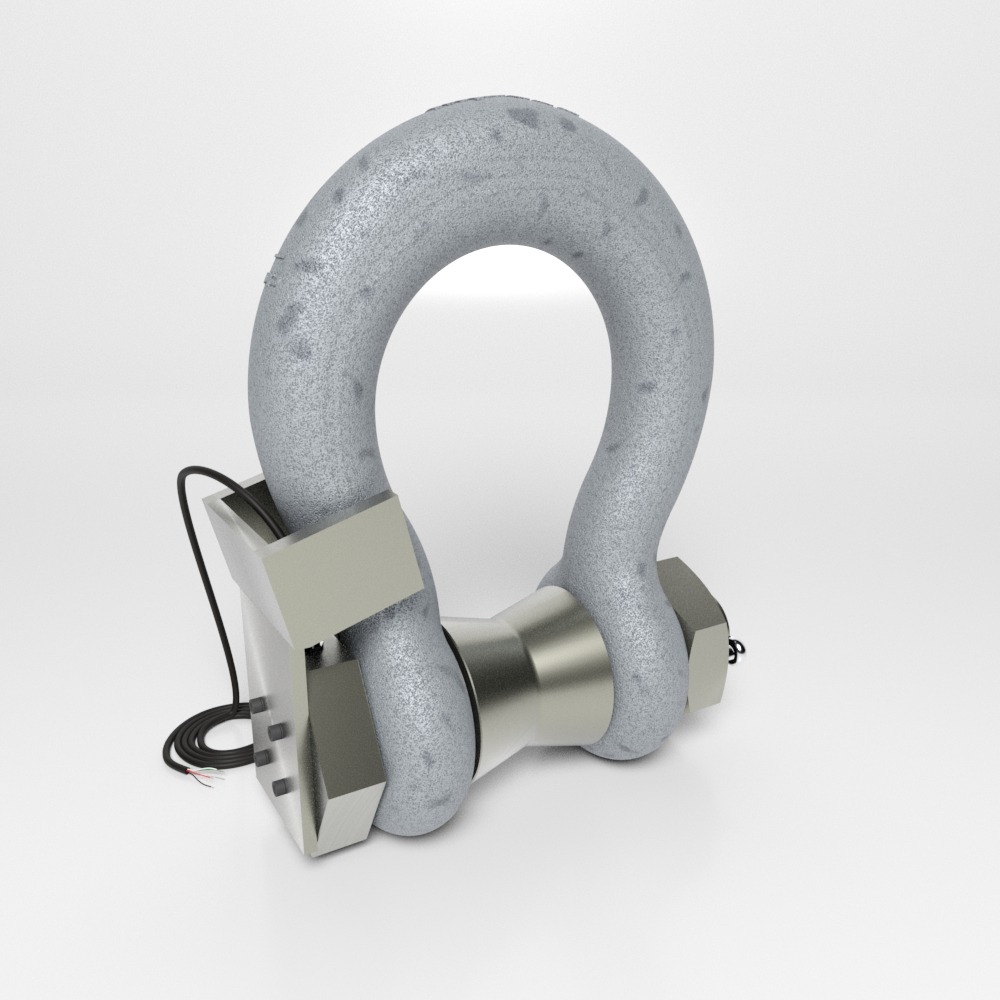
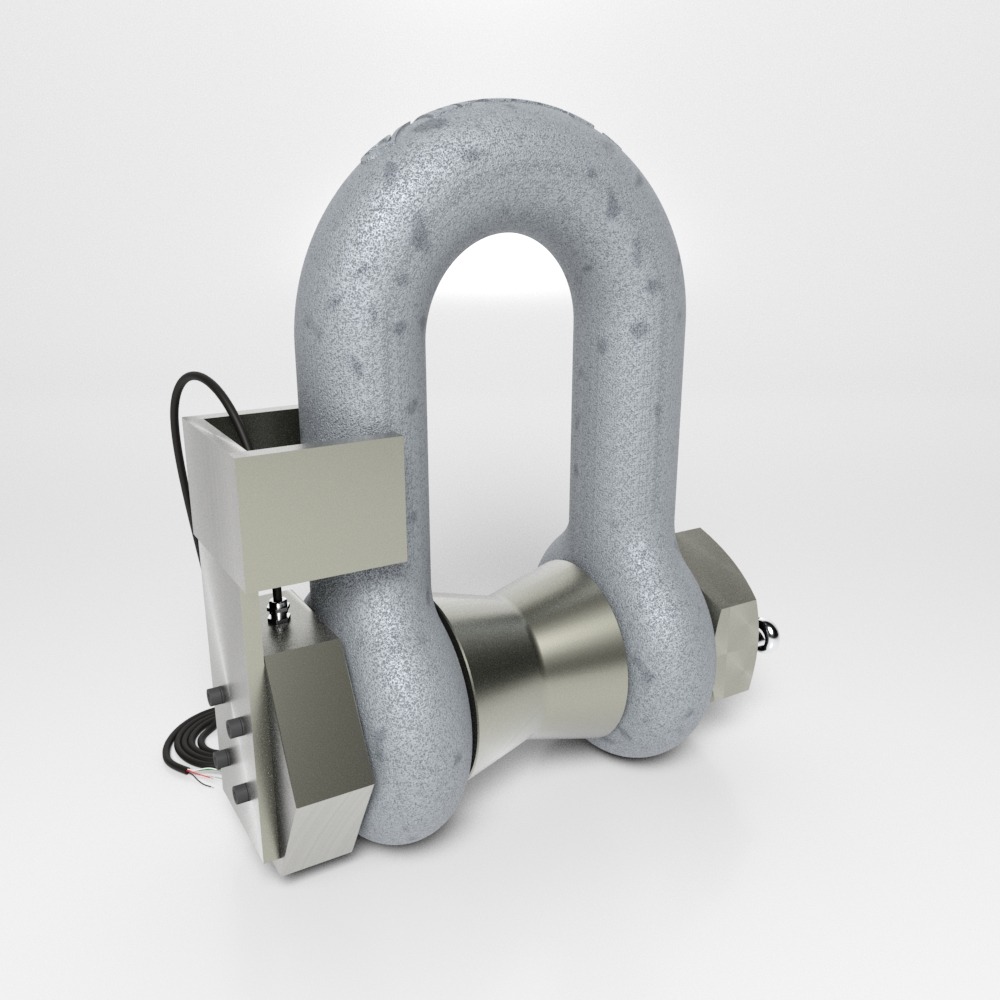
Executing complex rigging requires rugged force sensors that endure outdoor conditions, vibrations, and severe weather. As industries adopt larger modules and automated lifts, precise tension and weight monitoring at key points is crucial. Interface offers cable and wireless Crosby™ Load Shackles, tension links, custom load pins, and LowProfile Load Cells designed to measure tension, compression, and center-of-gravity without adding weight or changing rigging geometry.
Rigging Applications Using Interface Products
- Gantry, Overhead, and Mobile Crane Load and Weight Monitoring
- Aircraft and Space Vehicle Rigging for Assembly
- Engine Hoist Tension Profiling
- Mooring Line and Anchor System Tension Testing
- Stage and Aerial Arts Rigging Safety Line Validation
- Bridge Cable Tension Tracking
- Hoist and Safety Harness Durability Load Testing
- Heavy Equipment Transfer and Deck Load Mapping
- Conveyor and Hopper Weight Monitoring
- Power Line Suspension and Utility Cable Tension Calibration
- Structural Beam Pile Driving
- Lift Platform Overload Protection
- Center-of-Gravity Analysis and Monitoring
- Winch, Sling, and Pulling Cable Proof Load Testing
Overcoming Cable Management and High-Risk Lifting Challenges
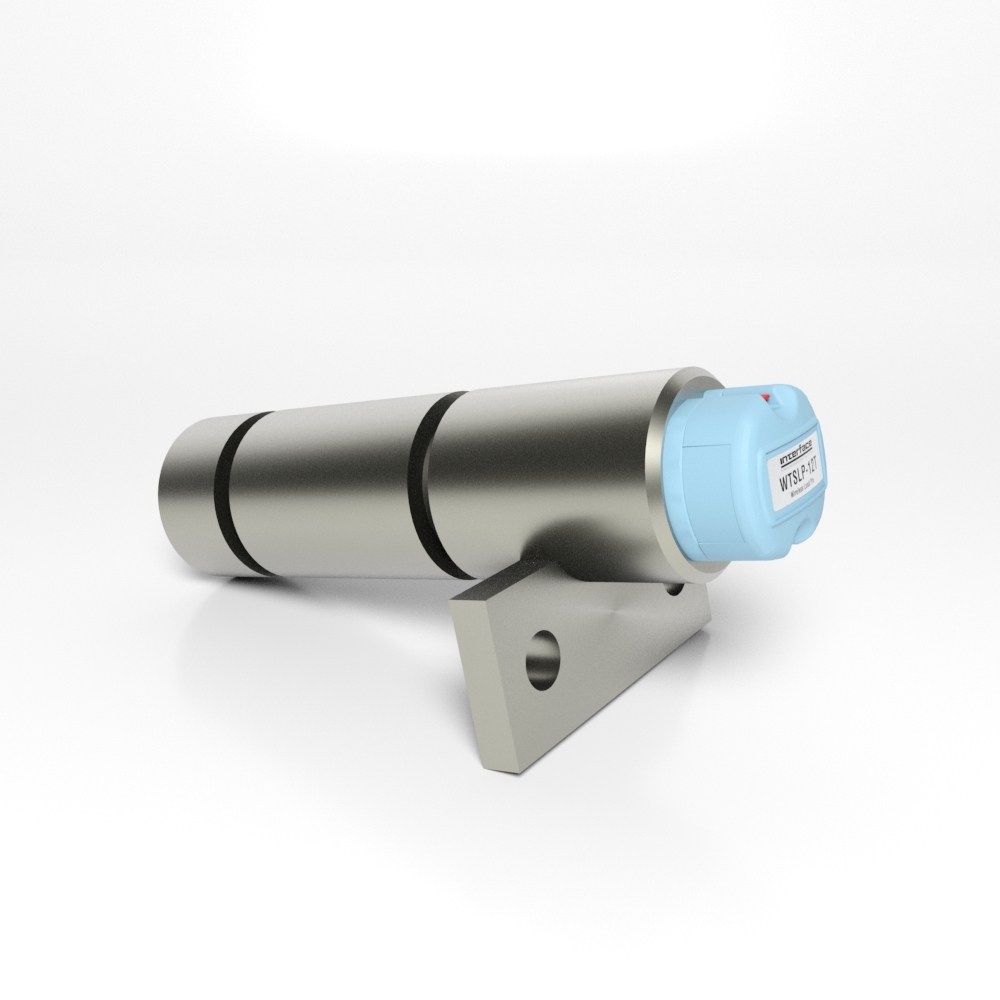
Heavy rigging’s main challenge is maintaining sensor calibration and data transmission in high-risk environments with severe conditions such as wind, saltwater spray, and mechanical shock. Using physical cables on long crane booms or in complex rigging creates hazards such as snagging, wear, and signal loss. To capture these forces safely, low-latency, high-bandwidth wireless systems are needed to provide real-time data on peak loads, tension drops, and sway forces.
Furthermore, loads often don’t distribute force evenly, so sensors must withstand off-axis loads without distortion or drift. Rigging configurations vary, so versatile, quick-connect sensors for standard clevises and shackles are essential. Interface provides rugged, weatherproof load shackles, wireless strain transmitters, and handheld displays that isolate tension, reduce cable clutter, and ensure continuous data during lifts.
Interface Products Used in Rigging
- LowProfile Load Cells
- Crosby™ Bow Load Shackles
- Tension Load Links
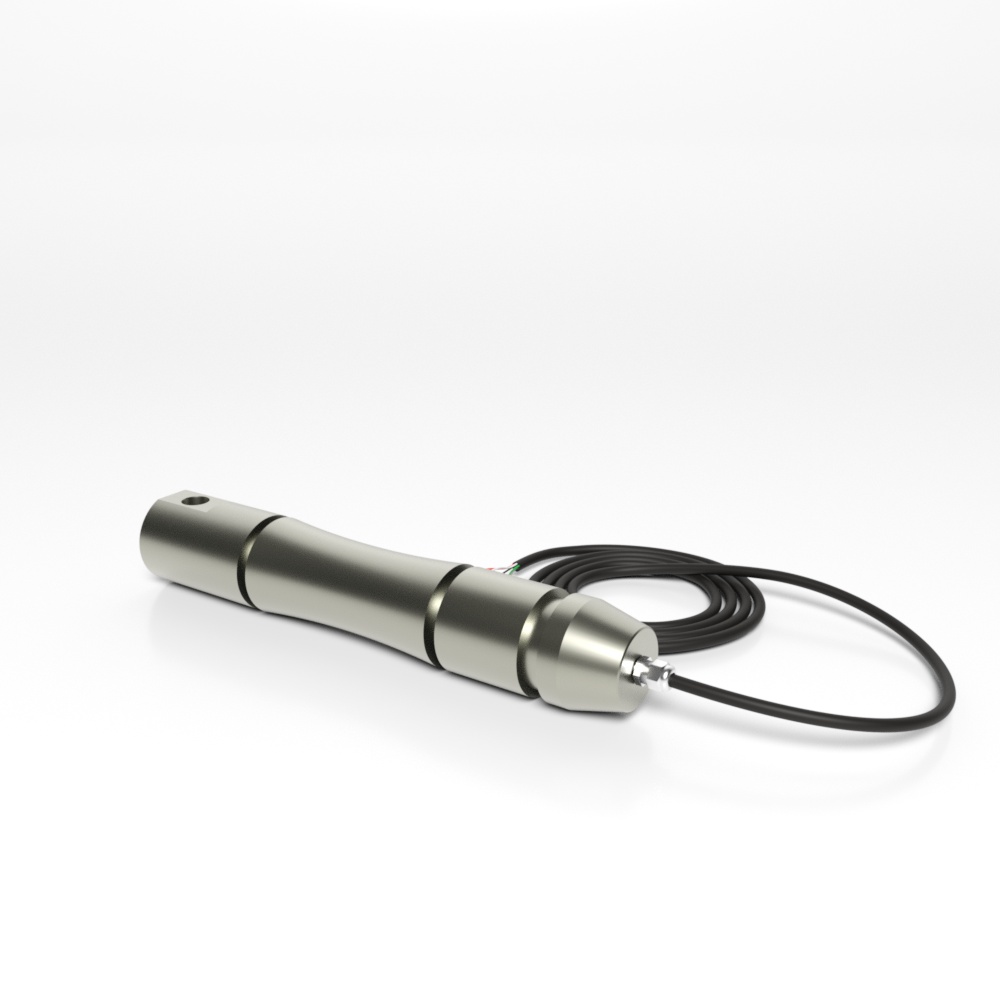
- Load Pins
- Mini Load Cells
- Multi-Axis Sensors
- Wireless Telemetry Systems
- Handheld Displays
- Digital Instrumentation and Signal Conditioners
- Data Acquisition (DAQ) Systems
- Custom Solutions
- Complete Systems
Safety in Rigging Operations
Without high-accuracy measurement solutions, heavy rigging relies on static estimates that don’t account for wind, binding, or uneven weight. If engineers can’t verify loads or cable tension during operations, systems risk overloads, tipping, or failure. Accurate force data offers real-time insights for balancing loads, confirming structural integrity, and complying with regulations.
Interface provides rugged sensor tech with high resolution for safe, compliant rigging. Our load shackles, pins, and tension links, known worldwide for low deflection, shock resistance, and wireless reliability, ensure critical load data is instantly available across maritime, construction, aerospace, energy, industrial, and entertainment sectors.
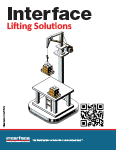
 Aerial Lift Overload Control
  Bridge Lifting and Positioning
 Commercial Fishing Wire Rope Testing
 Hydraulic Jacking System Testing
 Jib Crane Tension Monitoring
 Lifting Heavy Objects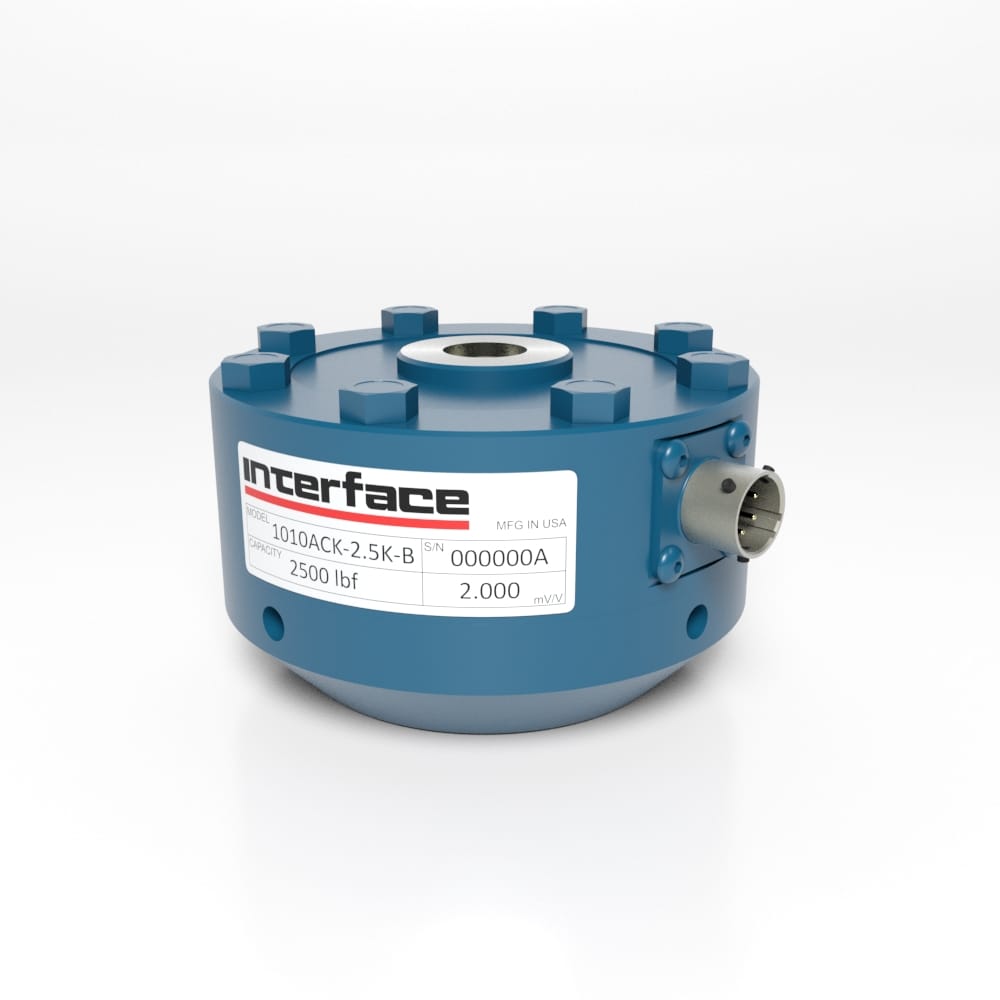



The Rise of Intelligent Measurement in Lifting Equipment
/in Blog /by Jamie GlassInterface provides integrated lifting measurement solutions including load cells, load pins, shackles, tension links and wireless instruments that are flexible and adaptable to diverse needs. Our sensor technologies and instrumentation provide robust, accurate measurements for testing and continuous performance monitoring across various industries, from construction and manufacturing to healthcare and aerospace.
Load Cells and Pumpkins are a Halloween Match
/in Blog /by Jamie GlassInterface loves celebrating Halloween. Look at all the pumpkin use cases that demand high-accuracy load cells! It’s a perfect pairing of sensor technology with the holiday’s favorite gourd. Whether pumpkin harvesting, weighing, throwing, or producing, load cells can play an important part in the holiday festivities.
Exploring Load Shackle Solutions
/in Blog /by Jamie GlassInterface load shackle load cells are designed with robust, high-strength materials such as steel or aluminum to handle heavy loads while resisting corrosion and wear. They incorporate integrated strain gage load pin load cells that accurately convert tension forces into readable electronic signals, with Interface ensuring precise calibration for minimal error.These shackles are available in wired and wireless communication options, facilitating seamless integration into data acquisition systems or remote monitoring platforms. Additionally, many load shackles feature overload protection, safeguarding the load cells from excessive forces to enhance safety and extend operational longevity, even in the most demanding environments.
Interface Measurement Solutions for Shipbuilding From Hull to Deck
/in Blog /by Jamie GlassInterface’s force measurement technology is indispensable for modern shipbuilding. Load cells, torque transducers, and instrumentation help shipbuilders produce high-quality, safe, and reliable vessels, from testing materials for durability to ensuring the safe assembly of critical components. With ongoing advancements in maritime engineering, Interface continues to innovate, providing essential tools to meet the evolving demands of shipbuilding from testing rigging to materials.
Retrofitting Factories with Measurement Solutions
/in Blog /by Jamie GlassInterface force, torque, and weight measurement solutions for retrofitting factories and modernizing manufacturing can significantly improve operations, efficiency, productivity, safety, and sustainability. Load cells, multi-axis sensors, and load pins can upgrade existing machines and equipment to provide sensor data for predictive maintenance, quality control, and improving durability.
Sensing the World of Load Cells and Accelerometers
/in Blog /by Jamie GlassLoad cells and accelerometers are sensors with two different purposes in test and measurement. Interface load cells are perfect for measuring static forces with high precision. An accelerometer excels in detecting dynamic motion, vibrations, and impact. There are use cases for load cells and accelerometers to work together in a single advanced system. Interface can provide the force and measurement solutions for systems that measure force, weight, torque, acceleration, motion, and vibration.
Integrated Measurement Solutions Elevate Design and Enhance Functionality
/in Blog /by Jamie GlassInterface, a pioneer in load cell design, supports innovation by offering integrated measurement solutions that ensure the safety and reliability of machines, products, and processes in sectors including aerospace, energy, medical and healthcare, automotive, manufacturing, and industrial automation. Our sensor technologies are seamlessly integrated into diverse products and machines, from lifting equipment to consumer goods. This adaptability ensures that our solutions can be tailored to your unique requirements.
Force Sensors in Heavy Machinery Boost Safety and Performance
/in Blog /by Jamie GlassInterface load cells, torque transducers and multi-axis sensors help prevent heavy machinery overloading, equipment failure, and accidents by providing real-time data on forces, loads, and structural integrity. Accurate measurements enable optimization of machine performance, fuel consumption, and material usage. Continuous monitoring of forces and loads allows for early detection of potential issues, minimizing downtime and repair costs in manufacturing, infrastructure, construction, agriculture, energy, natural resources and other industries.
Practical Engineering Tips to Design In Sensors
/in Blog /by Jamie GlassInterface offers engineering tips to create intelligent solutions that adapt, optimize, and safeguard operations when designing in load cells, torque transducers, and multi-axis sensors into equipment, products, and components. The first step is define what you are trying to solve and why you need a measurement sensor in your design. Review 0 helpful questions to guide you in the discovery and solution definition stage.
Showcasing Load Pin Versatility and Adaptation
/in Blog /by Jamie GlassInterface Load Pin measurement devices provide real-time force and weighing data for performance monitoring, equipment quality control, operational support, and product safety. These load pins are used in energy, agriculture, manufacturing, aerospace, infrastructure and manufacturing industriy applications. Interface Load Pins are machined from high-tensile stainless steel and are suitable for all settings, including exposed environments such as seawater. They are used in heavy machinery in industrial factories and submersible energy generators in the ocean.