Rigging is an engineering process that uses ropes, chains, slings, hoists, and specialized hardware to lift, maneuver, hold, and position heavy structural loads across diverse industrial environments. In the lifting industry, rigging engineers and safety directors rely on precise load and tension measurements to validate lifting plans, maintain structural balance, and ensure absolute operational safety. Interface sensor technologies, including load cells, load shackles, tension load links, load pins, and wireless telemetry systems (WTS) products, provide the structural integrity and data accuracy required to continuously monitor heavy lifts from initial rig-up through final placement.
Across maritime docks, aerospace assembly bays, construction sites, and theatrical sets, this continuous physical telemetry establishes a reliable safety baseline, preventing equipment degradation and ensuring that heavy-duty rigging components operate well within their certified safe working load (SWL) limits.
Rigging Challenges
The rigging sector operates under zero-tolerance safety mandates, where unverified load weight or improper cable tension can compromise the entire lifting apparatus. Precision force measurement forms the foundation of the safety and operational data loop, converting dynamic pulling forces, suspended weight, and cable tension into immediate, actionable engineering metrics.
Because overloading, uneven weight distribution, or dynamic load spikes can cause catastrophic hardware failure, unexpected rigging collapses, or severe personnel injuries, real-time force measurement is essential. Integrating high-accuracy sensors directly into lifting lines, crane blocks, and mooring points enables rigging engineers to create real-time load maps, set automated overload shut-off limits, and monitor structural strain during complex tandem lifts.
Interface Rigging Solutions
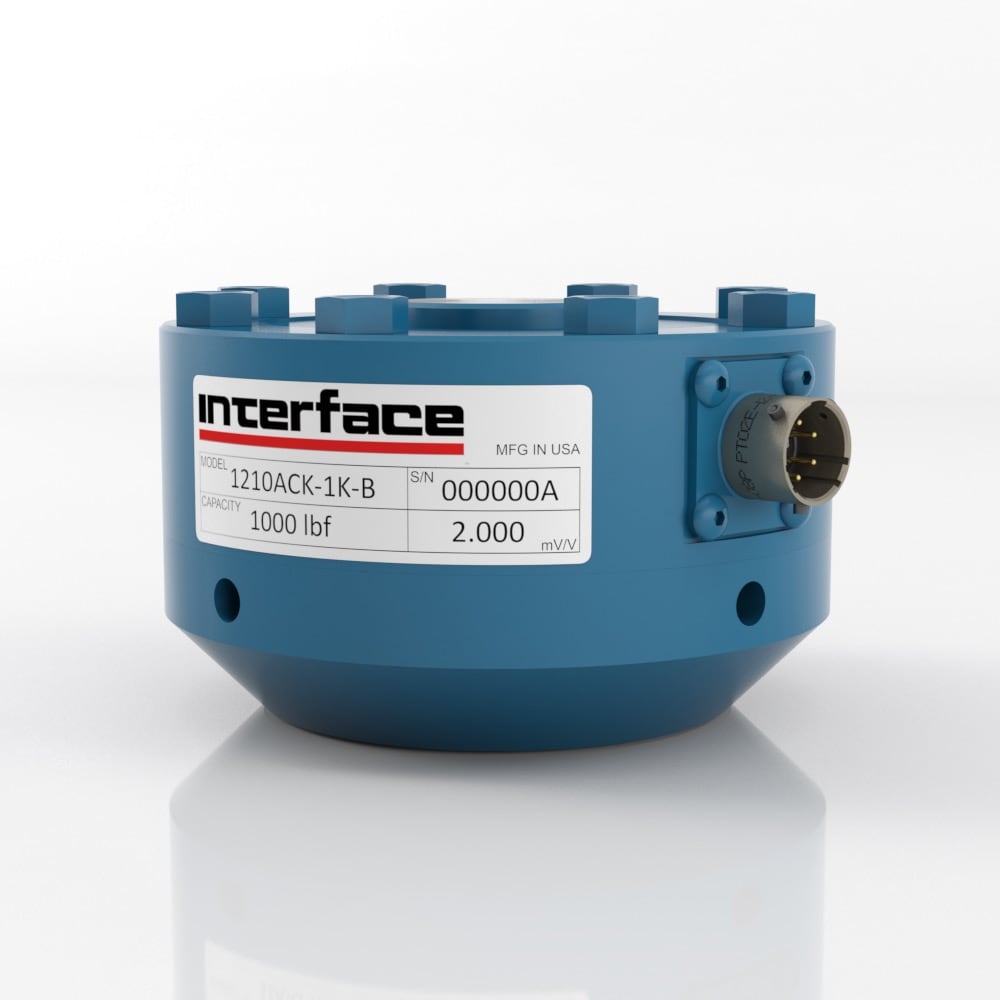
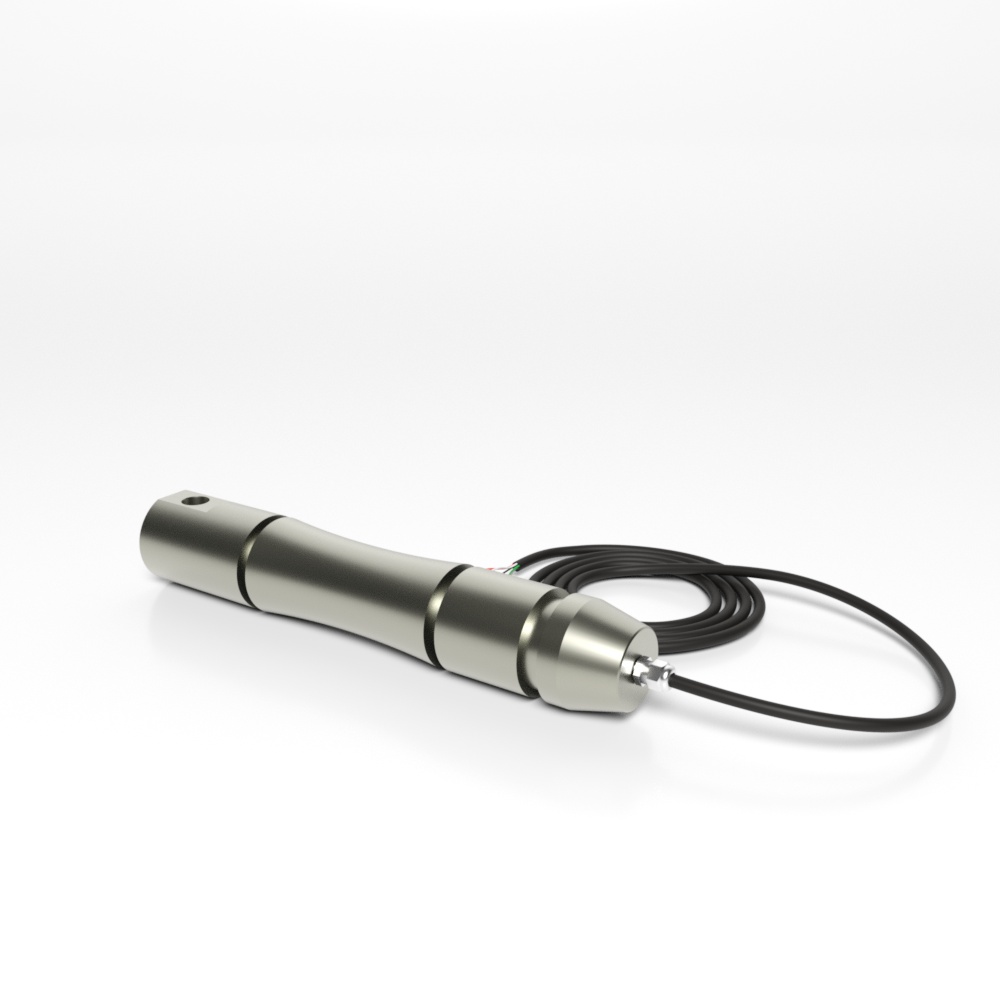
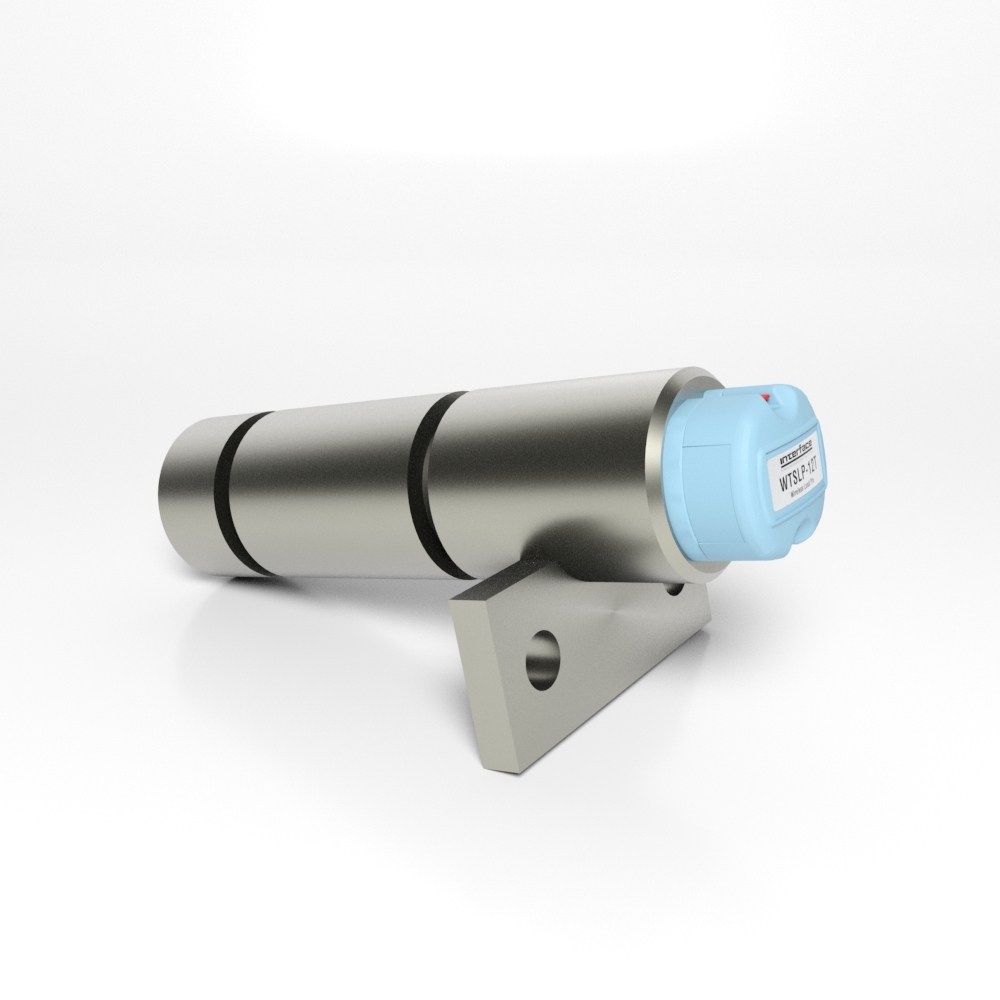
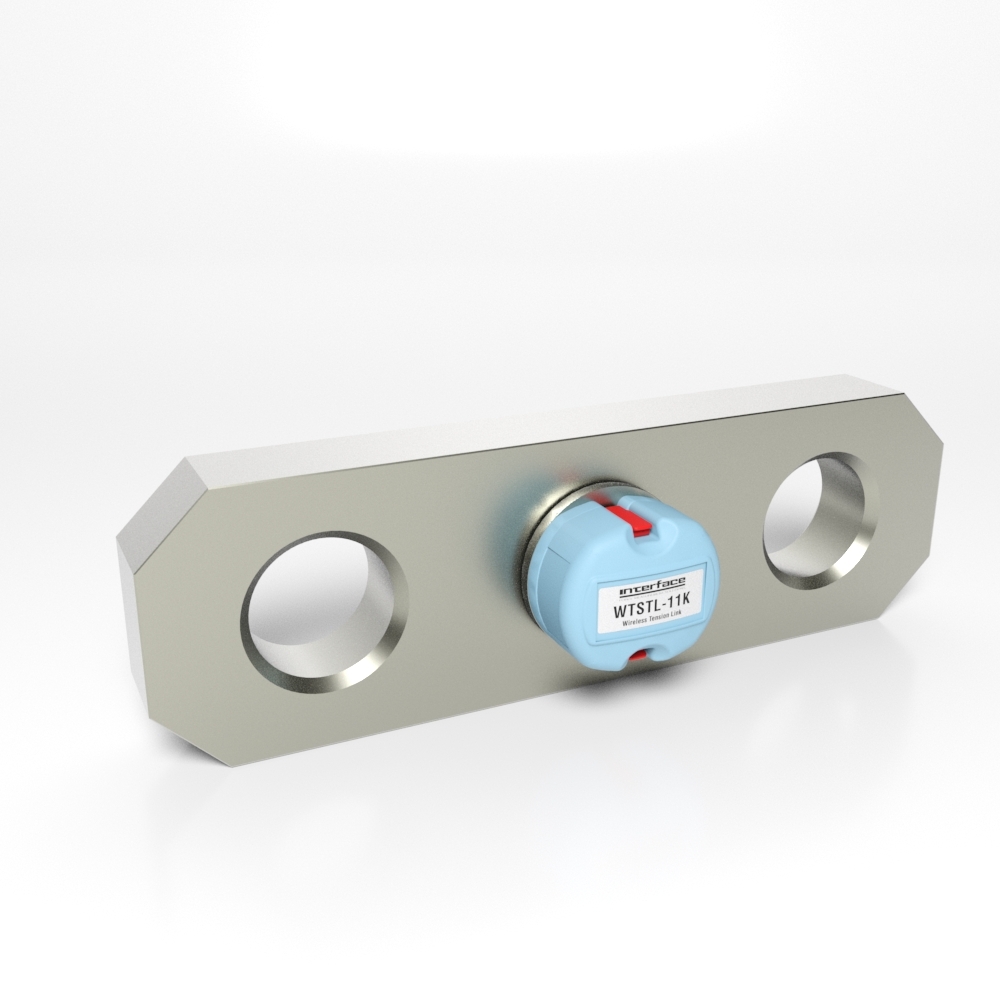
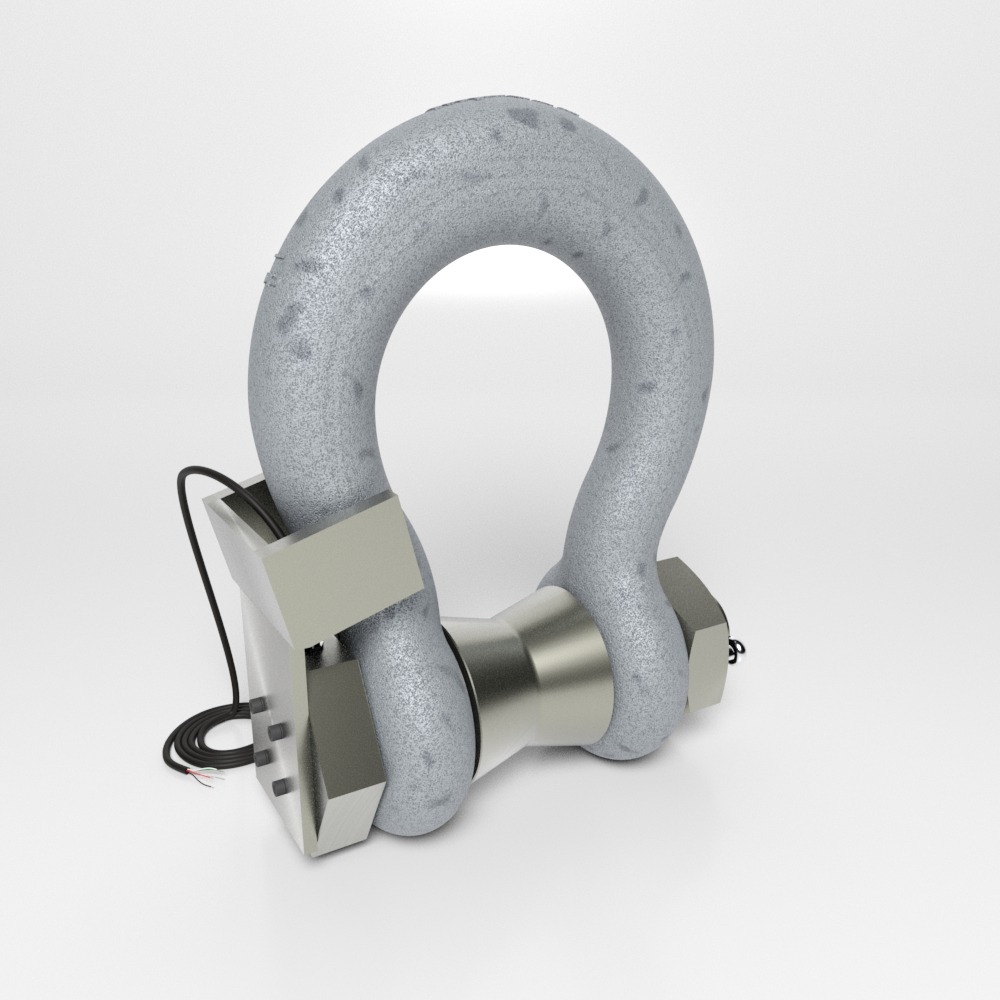
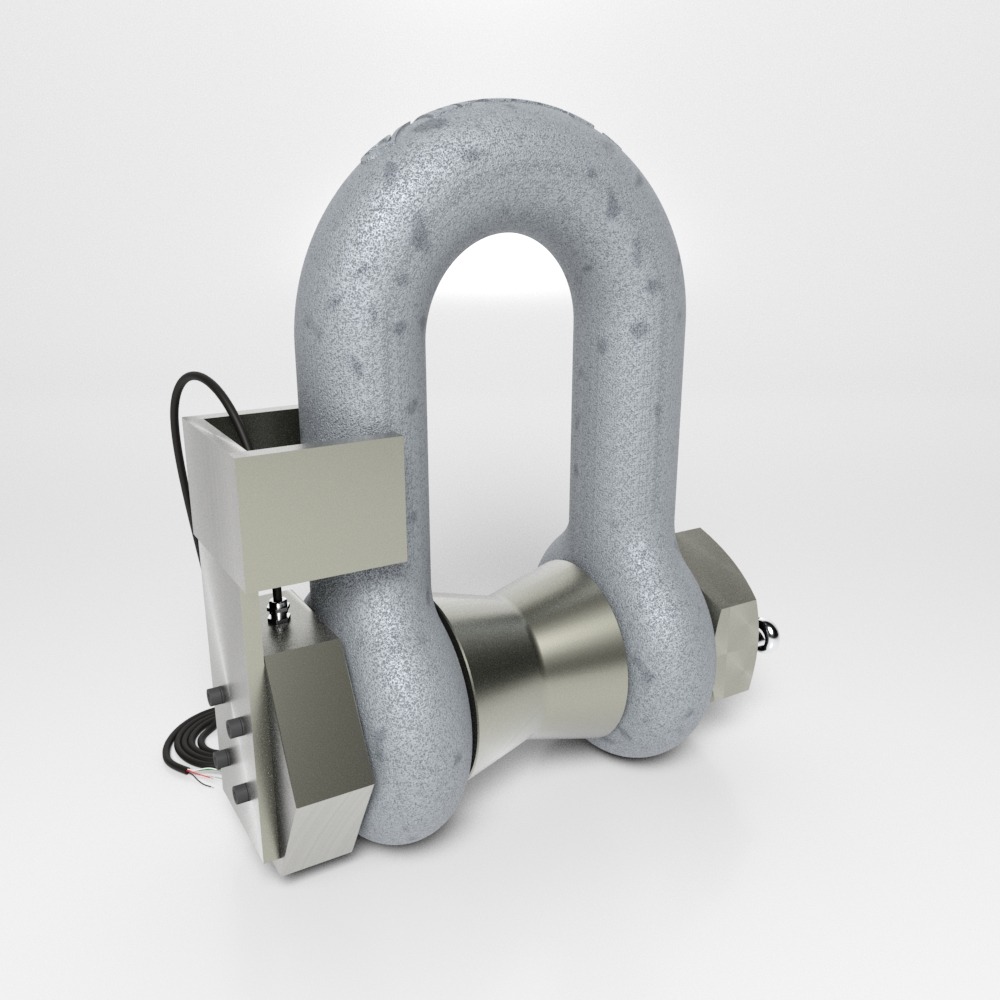
Executing complex rigging requires rugged force sensors that endure outdoor conditions, vibrations, and severe weather. As industries adopt larger modules and automated lifts, precise tension and weight monitoring at key points is crucial. Interface offers cable and wireless Crosby™ Load Shackles, tension links, custom load pins, and LowProfile Load Cells designed to measure tension, compression, and center-of-gravity without adding weight or changing rigging geometry.
Rigging Applications Using Interface Products
- Gantry, Overhead, and Mobile Crane Load and Weight Monitoring
- Aircraft and Space Vehicle Rigging for Assembly
- Engine Hoist Tension Profiling
- Mooring Line and Anchor System Tension Testing
- Stage and Aerial Arts Rigging Safety Line Validation
- Bridge Cable Tension Tracking
- Hoist and Safety Harness Durability Load Testing
- Heavy Equipment Transfer and Deck Load Mapping
- Conveyor and Hopper Weight Monitoring
- Power Line Suspension and Utility Cable Tension Calibration
- Structural Beam Pile Driving
- Lift Platform Overload Protection
- Center-of-Gravity Analysis and Monitoring
- Winch, Sling, and Pulling Cable Proof Load Testing
Overcoming Cable Management and High-Risk Lifting Challenges
Heavy rigging’s main challenge is maintaining sensor calibration and data transmission in high-risk environments with severe conditions such as wind, saltwater spray, and mechanical shock. Using physical cables on long crane booms or in complex rigging creates hazards such as snagging, wear, and signal loss. To capture these forces safely, low-latency, high-bandwidth wireless systems are needed to provide real-time data on peak loads, tension drops, and sway forces.
Furthermore, loads often don’t distribute force evenly, so sensors must withstand off-axis loads without distortion or drift. Rigging configurations vary, so versatile, quick-connect sensors for standard clevises and shackles are essential. Interface provides rugged, weatherproof load shackles, wireless strain transmitters, and handheld displays that isolate tension, reduce cable clutter, and ensure continuous data during lifts.
Interface Products Used in Rigging
- LowProfile Load Cells
- Crosby™ Bow Load Shackles
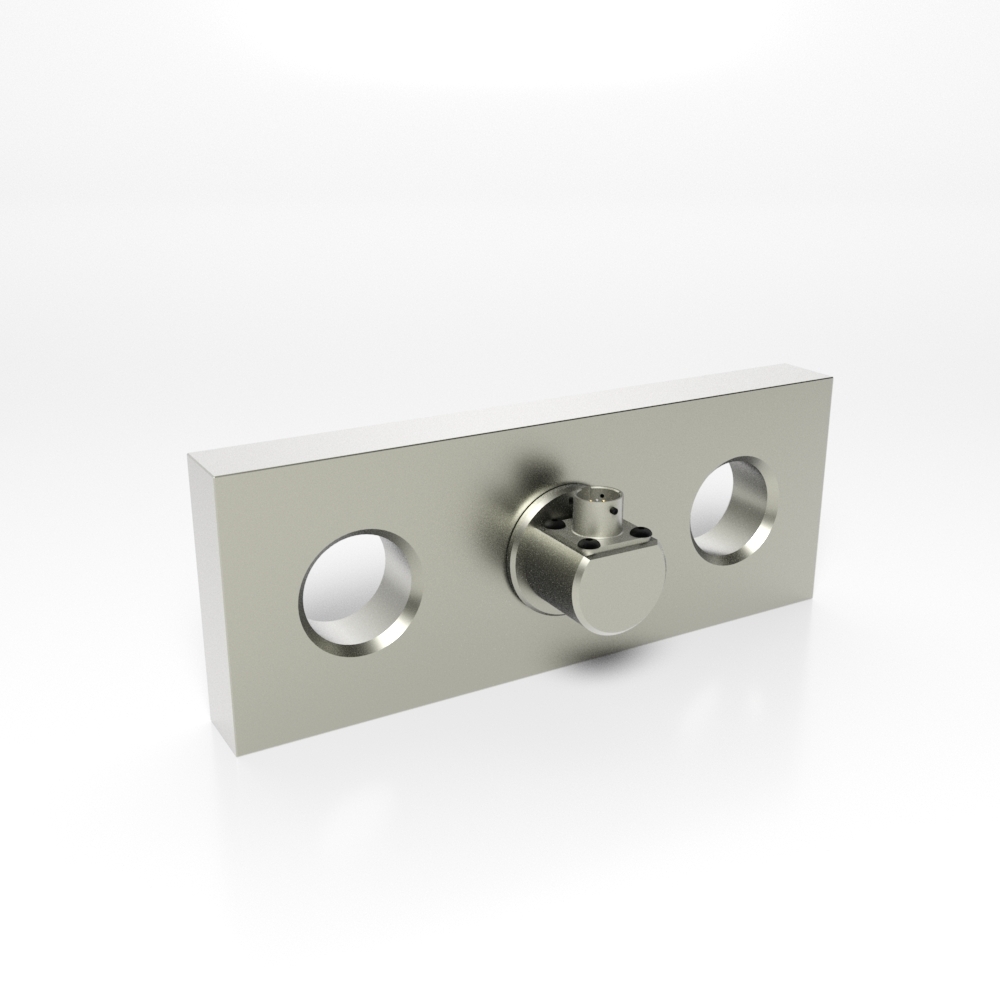
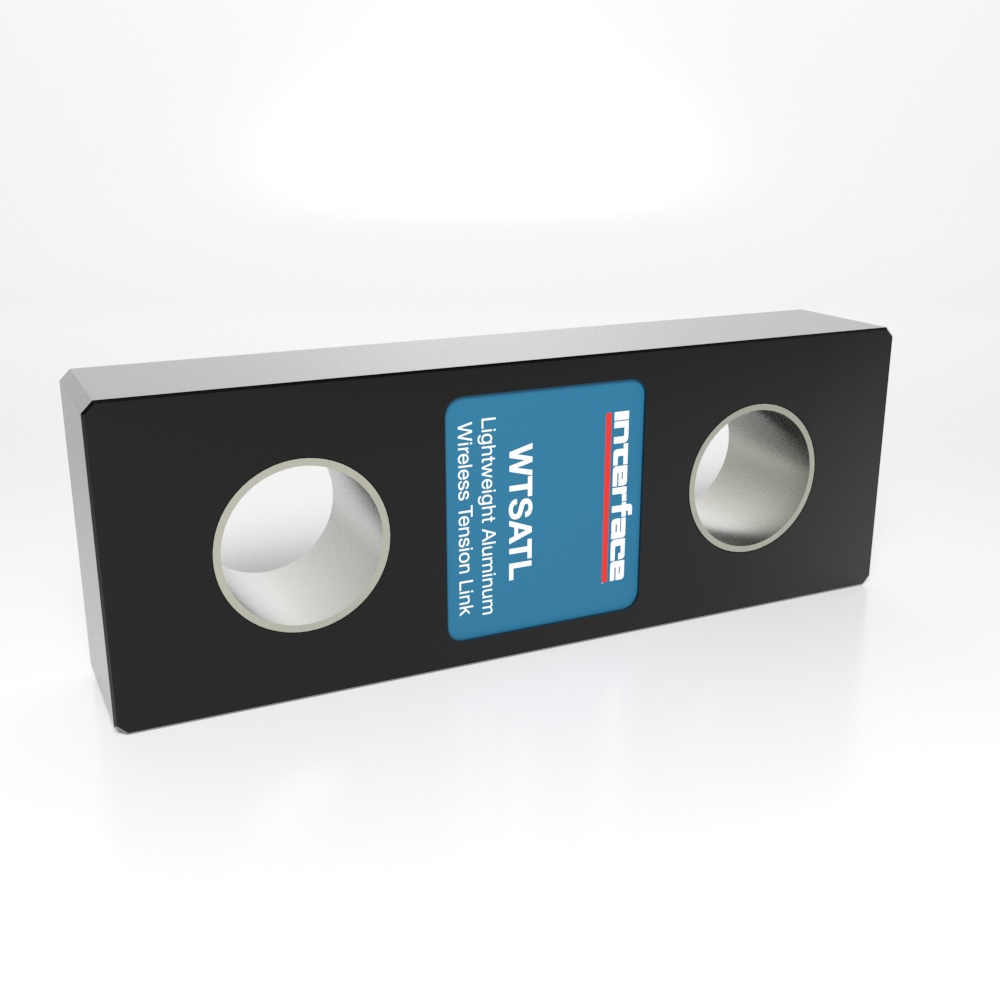
- Tension Load Links
- Load Pins
- Mini Load Cells
- Multi-Axis Sensors
- Wireless Telemetry Systems
- Handheld Displays
- Digital Instrumentation and Signal Conditioners
- Data Acquisition (DAQ) Systems
- Custom Solutions
- Complete Systems
Safety in Rigging Operations
Without high-accuracy measurement solutions, heavy rigging relies on static estimates that don’t account for wind, binding, or uneven weight. If engineers can’t verify loads or cable tension during operations, systems risk overloads, tipping, or failure. Accurate force data offers real-time insights for balancing loads, confirming structural integrity, and complying with regulations.
Interface provides rugged sensor tech with high resolution for safe, compliant rigging. Our load shackles, pins, and tension links, known worldwide for low deflection, shock resistance, and wireless reliability, ensure critical load data is instantly available across maritime, construction, aerospace, energy, industrial, and entertainment sectors.
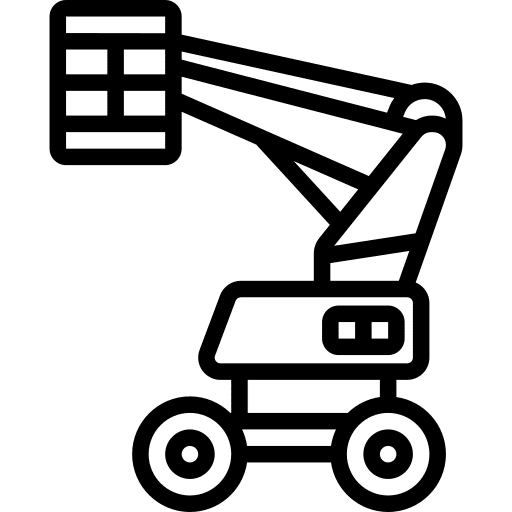 Aerial Lift Overload Control
  Bridge Lifting and Positioning
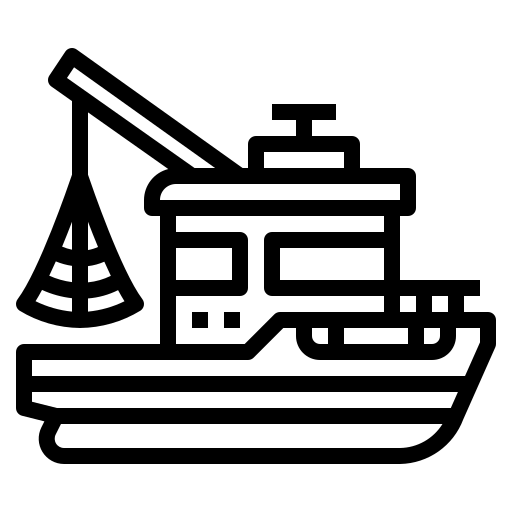 Commercial Fishing Wire Rope Testing
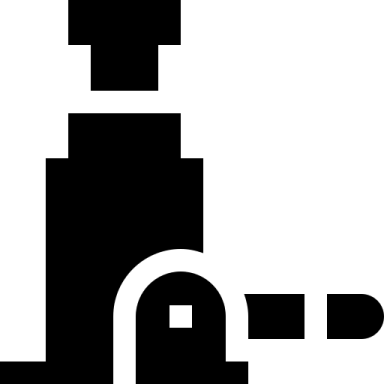 Hydraulic Jacking System Testing
 Jib Crane Tension Monitoring
 Lifting Heavy Objects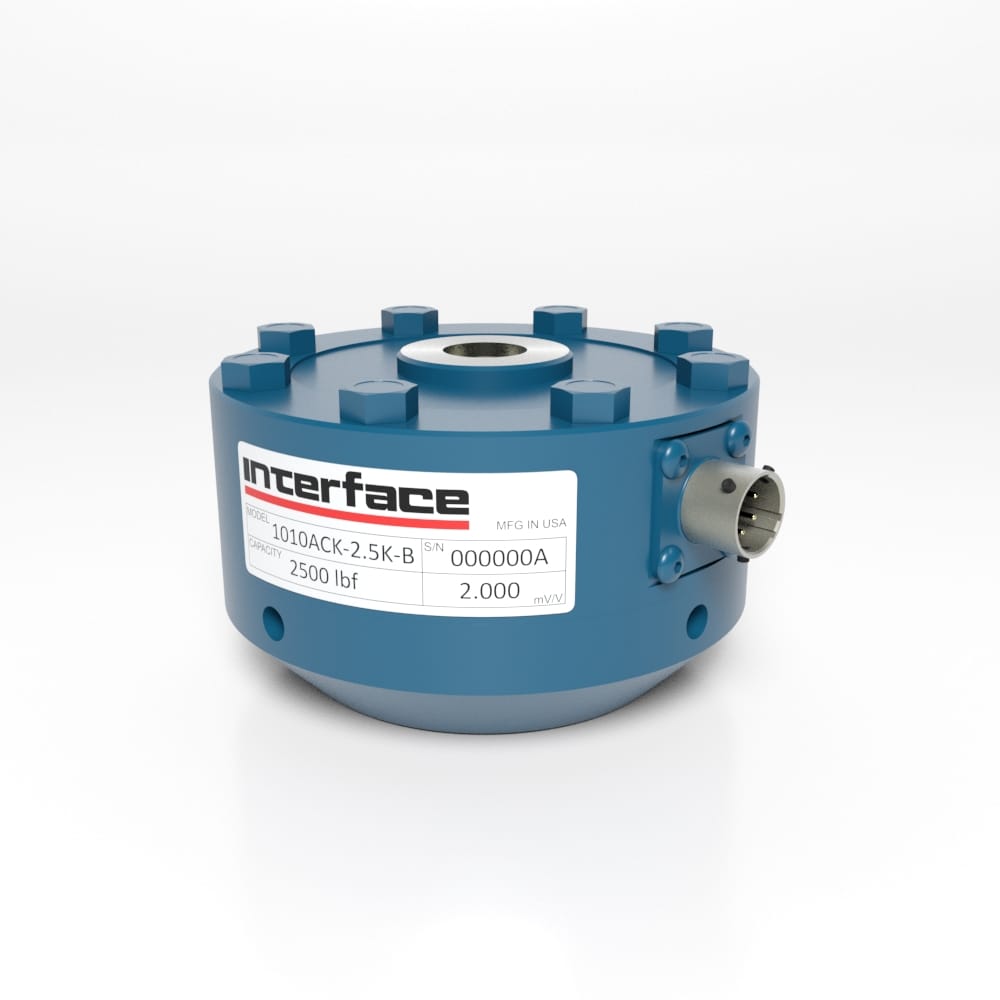



Crane Safety Requires Precision Measurements Ship to Shore
/in Blog /by Jamie GlassMaritime companies include businesses and governments that develop and utilize hardware to support shipyards, marine terminals, cargo and trade support, exploration and defense, fishing, aquaculture, seafood processing, commercial diving, energy infrastructure and platforms, along with marine transportation. There are multiple […]
Interface Solutions for Lifting Applications
/in Blog /by Jamie GlassLifting is the action of raising an object to a higher level or moving an object to a different position. Tension load cells accurately measure forms of lifting, as they measure pulling by design. Choosing the right sensor for this […]
Weighing Your Options Webinar
/in Virtual Event /by Jamie GlassInterface force measurement experts detail solutions used for all types of weighing and lifting applications. We discuss sensor models, capabilities, features and tips using various load cells, load pins, shackles, tension links, weighcheck systems and instrumentation. Learn about use cases, FAQs, measurement applications, options for harsh environments and OEM products. If you are exploring quality measurement solutions that provide high accuracy and reliability for scales, cranes, lifting equipment or tools, join us.
Recap of Use Cases for Load Pins Webinar
/in Blog /by Brian JohnsonInterface load pins continue to grow in demand as an easy to integrate and cost-effective sensor solution for many diverse applications as direct replacements for clevis or pivot pins. Most commonly used for lifting and rigging mechanisms in construction, structural assemblies […]
Interface Crane Use Cases and Application Notes
/in Blog /by Brian JohnsonManufacturers and engineers of heavy equipment are rigorous about the design quality, performance and most importantly preserving safety. Having tools to test and monitor this type of equipment allows equipment producers and users to review performance at all stages, ultimately […]
Force Measurement Solutions for the Construction Industry
/in Blog /by Brian JohnsonIn the world of heavy machinery, the ability to protect these investments is critical to an efficient and cost-effective worksite. This is especially true in the construction industry, where any type of damage or disruption to onsite equipment can significantly […]
Calibration for Crane Scale and Dynamometer Applications
/in Blog /by Brian JohnsonInterface is well-known for excelling at calibration services for load cells. Did you know this service excellence extends to dynamometers and crane scales? Interface can calibrate dynamometers and crane scales with capacities of 100,000 pounds of force or more. This […]