Energy reserve management (ERM) encompasses the technology, infrastructure, and mechanical systems that store, balance, dispatch, and secure secondary energy capacity in power grids. The modern energy reserve sector operates under strict grid-balancing mandates, where rapid response times, mechanical reliability, and structural integrity determine overall grid resilience. As renewable energy integrates into the global grid, utility operators and engineers rely on reserve mechanisms such as grid-scale batteries, pumped hydro, flywheels, gravity-based systems, and compressed gas storage.
Ensuring structural stability, safety, and operational readiness requires high-precision force and torque measurement. Mechanical settling, cell expansion, or pressure fluctuations can trigger battery runaway, turbine seizures, or grid outages, so operators rely on verified sensor data from load cells, torque transducers, multi-axis sensors, and instrumentation hardware to manage loads, monitor containment, and optimize storage dispatch.
Overcoming Mechanical Strain and Grid Storage Challenges
The main challenge in energy reserve testing is maintaining measurement stability over years of continuous cycling under broad thermal variations. In battery enclosures, lithium cells expand during charge-discharge cycles; unmonitored swelling can damage components or cause cell shorts. Detecting these micro-strain changes sensors that isolate subtle fluctuations across large structures without signal loss.
Without high-accuracy force, weight, and torque data, energy storage operators must rely on indirect estimates that do not reveal physical degradation, structural fatigue, or mechanical issues within storage units. If engineers cannot measure the swelling pressure in a battery pack or verify cable tension on a gravity storage hoist, systems may face sudden mechanical failures, fire hazards, and costly regulatory shutdowns during grid emergencies.
Energy Reserve Management Sensor Applications
- Utility-Scale BESS Enclosure Battery Cell Expansion and Swelling Force Tracking
- Gravity-Based Energy Storage System Hoist Cable Tension and Payload Profiling
- High-Speed Mechanical Energy Storage Flywheel Rotor Shaft Torque Monitoring
- Pumped Storage Hydroelectric Turbine Penstock Valve Actuation Force Verification
- Compressed Air Energy Storage (CAES) Cavern Wellhead Casing Strain Mapping
- Grid-Scale Battery Rack Structural Weight Distribution and Seismic Anchor Load Profiling
- Cryogenic Liquid Energy Storage Expansion Tank Mounting Load Cell Balancing
- Hydrogen Energy Storage High-Pressure Vessel Tie-Down Strap Tension Testing
- Substation Step-Up Transformer Core Mounting Bolt Clamp Force Monitoring
- Kinetic Energy Storage System Magnetic Bearing Preload Force Validation
- Thermal Energy Storage Molten Salt Containment Tank Foundation Load Balancing
- Emergency Dispatch Fast-Start Turbine Coupling Rotary Torque Verification
Interface Products Used in Energy Reserve Management
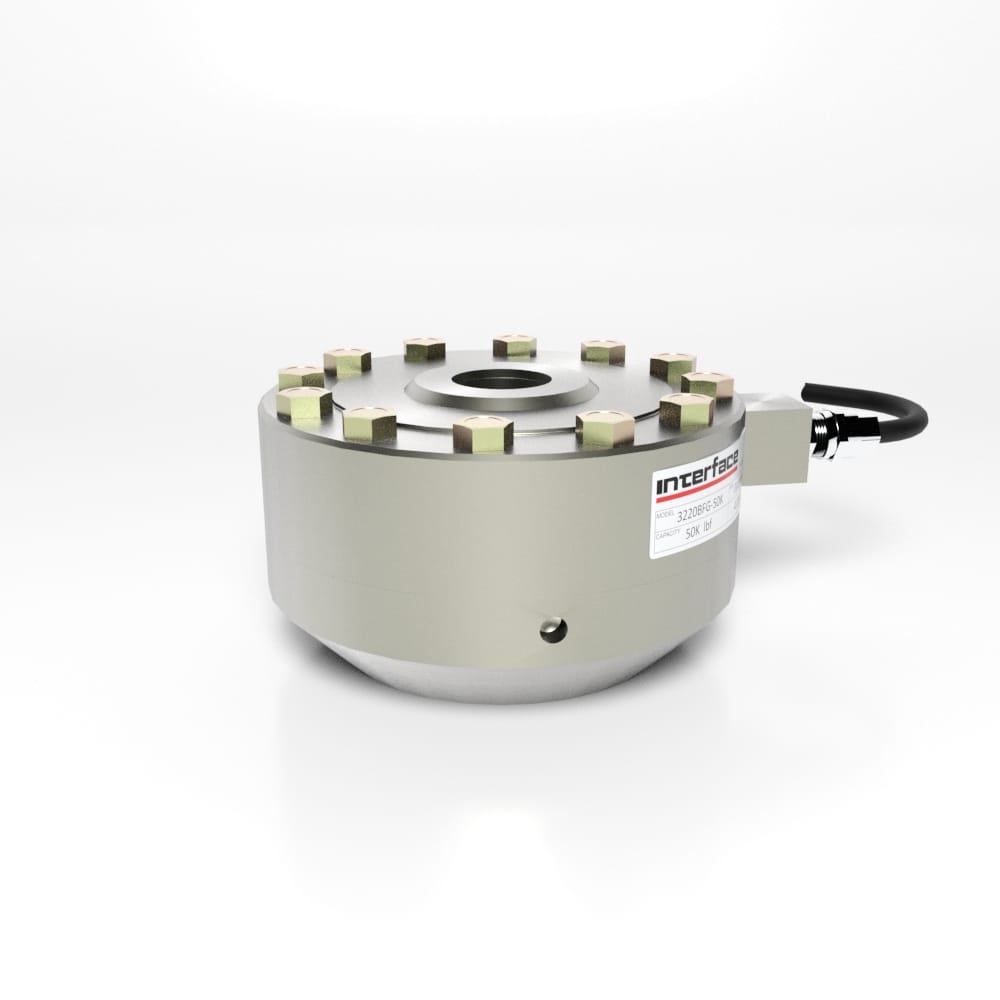
- LowProfile® Load Cells
- Load Washer Load Cells
- Stainless Steel Load Cells
- Miniature Load Cells
- Load Button Load Cells
- Load Pins and Shackles
- Tension Load Links
- ATEX and Intrinsically Safe Load Cells
- Reaction and Rotary Torque Transducers
- Multi-Axis Sensors
- Wireless Telemetry System (WTS)
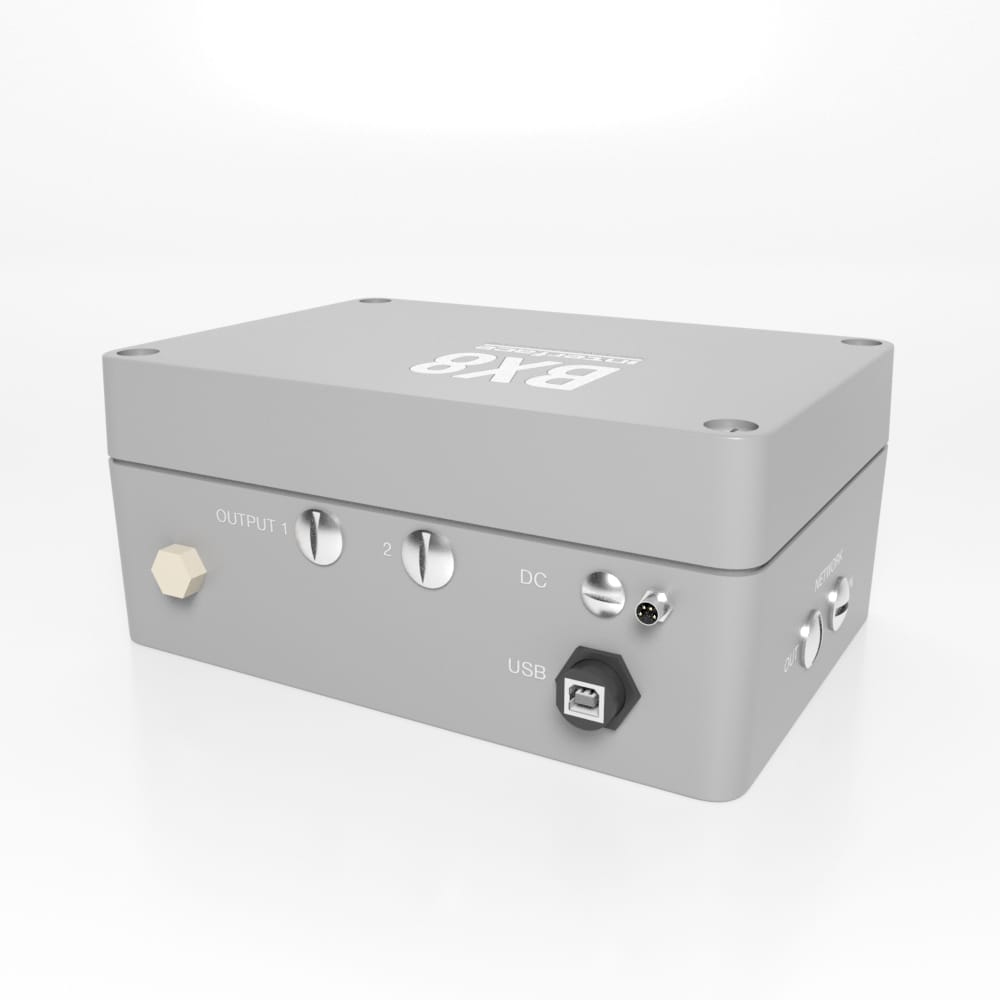
- Instrumentation
- Data Acquisition (DAQ) Systems
- Complete Systems
- Custom and OEM Sensor Solutions
Interface Energy Reserve Management Solutions
Managing large stored-energy systems needs rugged, fatigue-rated sensors to handle compression, electromagnetic interference, and harsh environments. As networks expand storage and automation, accurate force telemetry at load points is vital. Interface offers load cells, miniature load cells, load washers, multi-axis sensors, DAQ, and wireless telemetry systems to monitor forces and weights without bulky setups.
Transducers and associated hardware provide real-time insight into structural conditions, helping operators manage mechanical stress, plan maintenance based on actual need, and safely increase energy capacity. Interface offers sensors and instruments that support energy engineers in advancing grid modernization, optimizing secondary reserves, and maintaining a continuous power supply globally.


 Crude Oil Weighing
 Proppant Silo System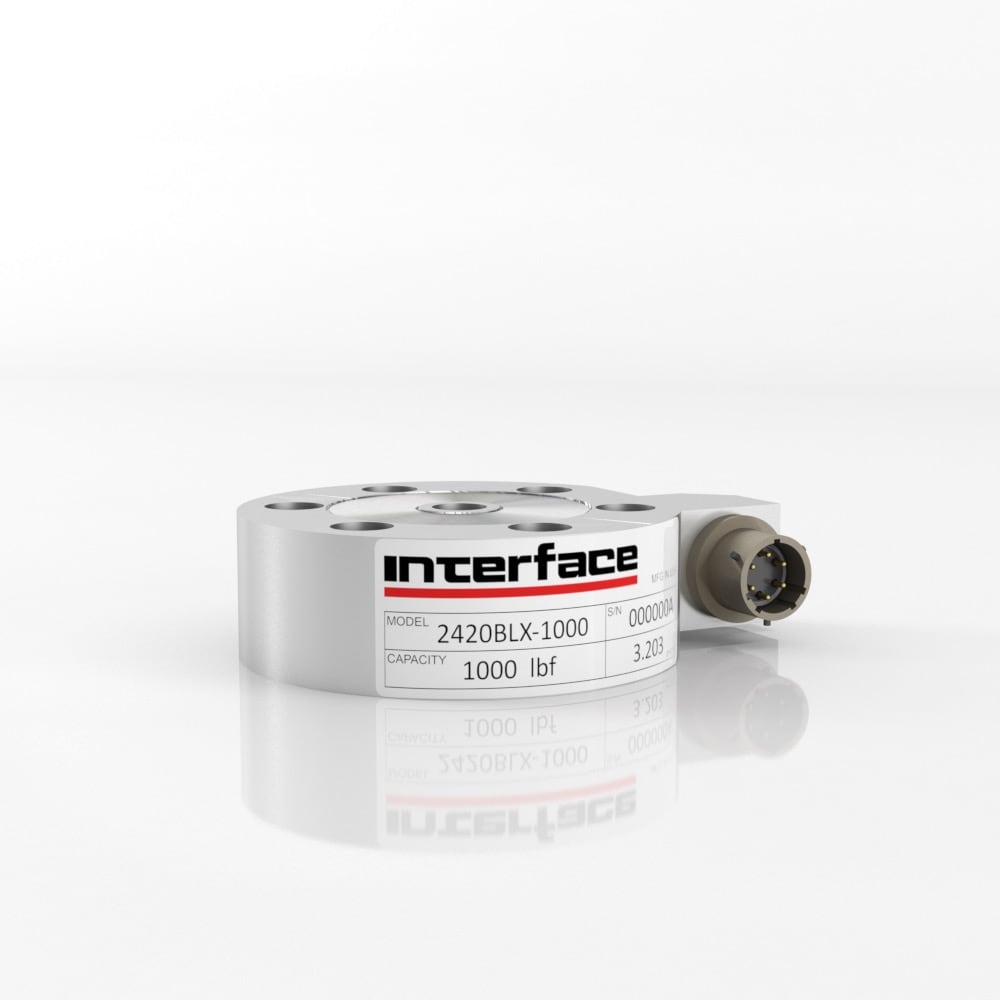




Benefits of Load Monitoring in Quick Release Hooks
/in Blog /by Jamie GlassInterface supplies load measuring pins for quick release hooks (QRH) used in maritime, lifting, rigging, energy and industrial subsea equipment. Discover the benefits of load monitoring in quick release hooks for enhanced safety, efficiency, and risk mitigation in mooring operations. Learn the questions you should ask when engineering QRH solutions.
Examining Force Measurement in Subsea Oil and Gas
/in Blog /by Jamie GlassInterface subsea oil and gas industry force measurement solutions for applications, including pipeline integrity monitoring, riser tension monitoring, and wellhead fatigue analysis, are important in deep sea exploration projects. Accurate force measurement ensures the safety and efficiency of subsea operations, preventing costly failures and environmental damage.
Exploring Load Shackle Solutions
/in Blog /by Jamie GlassInterface load shackle load cells are designed with robust, high-strength materials such as steel or aluminum to handle heavy loads while resisting corrosion and wear. They incorporate integrated strain gage load pin load cells that accurately convert tension forces into readable electronic signals, with Interface ensuring precise calibration for minimal error.These shackles are available in wired and wireless communication options, facilitating seamless integration into data acquisition systems or remote monitoring platforms. Additionally, many load shackles feature overload protection, safeguarding the load cells from excessive forces to enhance safety and extend operational longevity, even in the most demanding environments.
Driving Force in Biomass Optimization is Measurement Technologies
/in Blog /by Jamie GlassInterface supplies force, torque, and weighing measurement solutions to advance biomass energy production. Our diverse range of products, including load cells, torque transducers, and wireless telemetry systems, are engineered for precision, durability, and versatility. These sensors are critical for optimizing biomass processing, ensuring safety, and maximizing efficiency across various applications.
Integrated Measurement Solutions Elevate Design and Enhance Functionality
/in Blog /by Jamie GlassInterface, a pioneer in load cell design, supports innovation by offering integrated measurement solutions that ensure the safety and reliability of machines, products, and processes in sectors including aerospace, energy, medical and healthcare, automotive, manufacturing, and industrial automation. Our sensor technologies are seamlessly integrated into diverse products and machines, from lifting equipment to consumer goods. This adaptability ensures that our solutions can be tailored to your unique requirements.
Types of Test Machines Using Sensors for Reliable Assessments
/in Blog /by Jamie GlassInterface supplies sensor technologies to UTM machine architects, engineers, machine builders, integrators, and testing labs. Test machines use Interface load cells, torque transducer and multi-axis sensors for all kinds of tests including fatigue, stress, destructive, cycle, material, tensile and more. Interface products are used in test machines across all industries, including automotive, energy, medical, aerospace, and manufacturing.
Measurement Solutions Advance Industrial IoT Success
/in Blog /by Jamie GlassInterface provides high-accuracy measurement solutions for Industrial IoT. Our Wireless Telemetry System (WTS) components drive adoption and innovation in IIoT, from cobot design to smart pallet inventory controls. Load cells, torque transducers, instrumentation, and DAQ systems evaluate force, torque, and weighing data to optimize IIoT in manufacturing, energy, agriculture, and other sectors.
Showcasing Load Pin Versatility and Adaptation
/in Blog /by Jamie GlassInterface Load Pin measurement devices provide real-time force and weighing data for performance monitoring, equipment quality control, operational support, and product safety. These load pins are used in energy, agriculture, manufacturing, aerospace, infrastructure and manufacturing industriy applications. Interface Load Pins are machined from high-tensile stainless steel and are suitable for all settings, including exposed environments such as seawater. They are used in heavy machinery in industrial factories and submersible energy generators in the ocean.
Silo and Tank Measurement Solutions
/in Blog /by Jamie GlassInterface provides testing sensors, weighing devices, and force measurement solutions used for tanks, silos, vessels, and industrial storage containers in several industries, including agriculture, infrastructure, manufacturing, natural resource management, and energy. Load cells are invaluable tools for silos and tanks, providing accurate and reliable force and weight measurements. The benefits of implementing precision measurement systems for testing and monitoring include improved accuracy, real-time data, reduced waste, enhanced safety, and cost savings.
Mining for Rare Earths and Minerals Using Load Cells and Torque Transducers
/in Uncategorized /by Jamie GlassInterface load cells and torque transducers are addressing challenges and empowering the mining sector as demand for rare earths and minerals rises. Driven by the demand for clean energy minerals like lithium and cobalt, these sensor technologies provide the real-time data needed to optimize operations, safeguard workers, and propel the industry toward a sustainable future.