Tag Archive for: drivetrain
Engineering Drivetrain Peak Performance Using Torque and Force
Interface provides force and torque sensors to automotive test labs and engineers for performance testing of drivetrains, the critical mechanical pathway that transfers power to the wheels in vehicles of all types. Direct physical measurement of torque, axial thrust, and multi-axis reaction forces provides the foundational data required to evaluate true efficiency, map dynamic transients, and prevent mechanical fatigue across rigorous automotive test cycles. Interface's AxialTQ is designed for high-accuracy drivetrain testing.

Types of Automotive Testing and Validation
Interface load cells, torque transducers, and multi-axis sensors provide data to automotive test labs and engineers at every stage of vehicle development, from raw chassis dynamics and EV battery pack integrity to powertrain efficiency and interior ergonomics. Automotive development relies heavily on physical testing to validate simulation models, determine assembly, demonstrate structural durability, and verify engine performance under load, stress, impact, and varying torque levels.

Transducers for Aircraft Ground Support Equipment Design and Operations
Accurate measurement of force and torque transforms ground support from reactive repairs to proactive, condition-based lifecycle management. Whether installing new hardware or upgrading existing equipment with direct-fit load pins, tension links, and load cells, continuous force, torque, and weight monitoring safeguards aircraft and ground personnel from unnoticed structural stresses, equipment failures, and overloading.

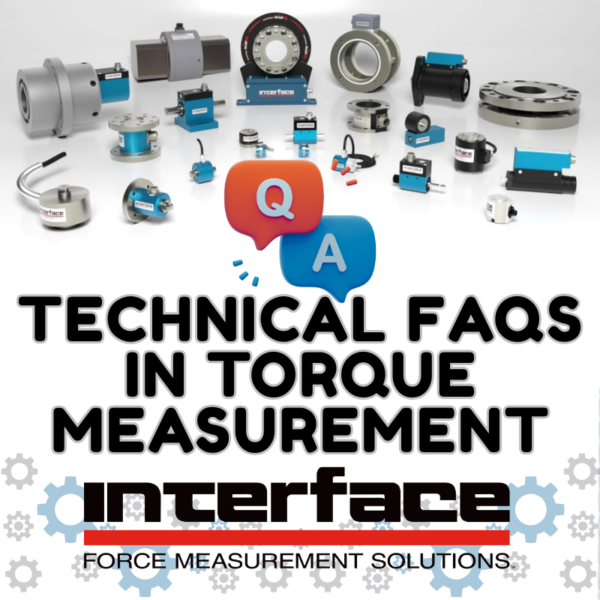
Addressing Technical FAQs in Torque Measurement
Interface answers advanced technical questions related to torque transducers and torque measurement. Explore the top 17 FAQs related to technicalities of torque measurement covering reaction vs rotary transducers, capacity selection, mounting alignments, couplings, calibration and metrology.

Long-Haul and Heavy-Duty Vehicle Test & Measurement
Interface’s load cells, torque transducers, and instrumentation are used in testing long-haul and heavy-duty vehicles for safety, weighing, and performance. Every heavy-duty vehicle, from design to road use, must undergo testing and measurement. From long-haul regional freighters and autonomous electric transport systems to diesel tire tests and freight load balancing, accurate data demands sensor reliability. With 30 million active heavy-duty vehicles worldwide, precise force, load, and torque sensors are vital to heavy-duty transportation safety and efficiency. Discover how advanced load cells, torque transducers, and wireless telemetry validate structural integrity, optimize electric vehicle powertrains, and secure the next generation of automated freight transport.