Interface products provide real-time measurements of cable tension and load weight to prevent dangerous overloads of rigging equipment. Rigging converts rotational, linear, or gravitational forces into controlled mechanical displacement. It relies on calculating vector forces, tension distribution, centers of gravity, and safe working load (SWL) limits to ensure that heavy components remain structurally stable and balanced throughout dynamic motion.
https://www.interfaceforce.com/wp-content/uploads/rigging.png800800Jamie Glass/wp-content/uploads/Interface_White_Red.svgJamie Glass2026-08-04 08:08:342026-08-03 08:18:28The Mechanics of Suspended Loads in Heavy Rigging
Interface provides load cells and wireless technologies for structural outrigging. Force measurement sensor technologies provide high accuracy measurement of the outrigging equipment in test and actual use. The applications range from integrating sensors into outrigger equipment to using load cells for real-time monitoring of physical structures using outrigger supports. Interface load cells are used by outrigging engineers, civil engineers and heavy equipment manufacturers, oil and gas, construction industry and marine equipment companies.
https://www.interfaceforce.com/wp-content/uploads/structural-outrigging.jpg800800Jamie Glass/wp-content/uploads/Interface_White_Red.svgJamie Glass2023-09-12 08:08:362023-09-25 16:11:43Outlining Force Solutions for Structural Outrigging
Interface supports rigging engineers who design, plan, and oversee the rigging of heavy loads by providing high accuracy measurement solutions. The use of load cells to measure the weight of heavy loads, such as cranes, ships, rockets, theater equipment and machinery is on the rise. Rigging engineers use the data from load cells, load pins, load shackles, and tension links to ensure that the loads are not overloaded and that the rigging systems are properly designed for each use case. This often requires pairing the high accuracy sensor with instrumentation, and for versatility wireless telemetry systems are useful for rigging engineers.
Interface lifting solutions are utilized to accurately measure the weight or force being exerted on the lifting equipment. Our lload cells, load pins, tension links, wireless technologies are integrated into cranes, hoists, and lifting devices to provide precise load measurements. Interface lifting solutions apply to equipment and machines used at construction sites, warehouses, manufacturing facilities, transportation locations, healthcare facilities, and maritime docks. Lifting applications can vary, such as loading and unloading goods, positioning heavy equipment or machinery, transferring patients in healthcare settings, or lifting materials for construction purposes.
We use cookies to enhance your browsing experience, serve personalized content, and analyze our traffic. By clicking "Accept All Cookies", you consent to our use of cookies.
We may request cookies to be set on your device. We use cookies to let us know when you visit our websites, how you interact with us, to enrich your user experience, and to customize your relationship with our website.
Click on the different category headings to find out more. You can also change some of your preferences. Note that blocking some types of cookies may impact your experience on our websites and the services we are able to offer.
Essential Website Cookies
Essential Website Cookies
These cookies are strictly necessary to provide you with services available through our website and to use some of its features.
Because these cookies are strictly necessary to deliver the website, you cannot refuse them without impacting how our site functions. You can block or delete them by changing your browser settings and force blocking all cookies on this website.
Google Analytics Cookies
Google Analytics Cookies
These cookies collect information that is used either in aggregate form to help us understand how our website is being used or how effective our marketing campaigns are, or to help us customize our website and application for you in order to enhance your experience.
If you do not want us to track your visit to our site, you can disable tracking in your browser here:
Other external services
Other external services
We also use different external services like Google Webfonts, Google Maps and external Video providers. Since these providers may collect personal data like your IP address we allow you to block them here. Please be aware that this might heavily reduce the functionality and appearance of our site. Changes will take effect once you reload the page.
Google Webfont Settings:
Google Map Settings:
Privacy Policy
Privacy Policy
I agree to the terms and conditions laid out in the Privacy Policy
 https://www.interfaceforce.com/wp-content/uploads/rigging.png
800
800
Jamie Glass
/wp-content/uploads/Interface_White_Red.svg
Jamie Glass2026-08-04 08:08:342026-08-03 08:18:28The Mechanics of Suspended Loads in Heavy Rigging
https://www.interfaceforce.com/wp-content/uploads/rigging.png
800
800
Jamie Glass
/wp-content/uploads/Interface_White_Red.svg
Jamie Glass2026-08-04 08:08:342026-08-03 08:18:28The Mechanics of Suspended Loads in Heavy Rigging https://www.interfaceforce.com/wp-content/uploads/structural-outrigging.jpg
800
800
Jamie Glass
/wp-content/uploads/Interface_White_Red.svg
Jamie Glass2023-09-12 08:08:362023-09-25 16:11:43Outlining Force Solutions for Structural Outrigging
https://www.interfaceforce.com/wp-content/uploads/structural-outrigging.jpg
800
800
Jamie Glass
/wp-content/uploads/Interface_White_Red.svg
Jamie Glass2023-09-12 08:08:362023-09-25 16:11:43Outlining Force Solutions for Structural Outrigging https://www.interfaceforce.com/wp-content/uploads/RIGGING-ENGINEERS.jpg
800
800
Jamie Glass
/wp-content/uploads/Interface_White_Red.svg
Jamie Glass2023-06-13 08:08:512023-07-29 13:04:29Rigging Engineers Choose Interface Measurement Solutions
https://www.interfaceforce.com/wp-content/uploads/RIGGING-ENGINEERS.jpg
800
800
Jamie Glass
/wp-content/uploads/Interface_White_Red.svg
Jamie Glass2023-06-13 08:08:512023-07-29 13:04:29Rigging Engineers Choose Interface Measurement Solutions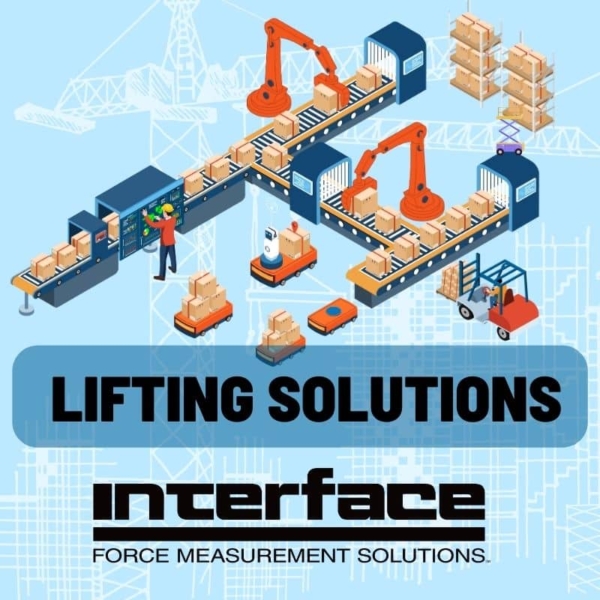 https://www.interfaceforce.com/wp-content/uploads/lifting-solutions.jpg
800
800
Jamie Glass
/wp-content/uploads/Interface_White_Red.svg
Jamie Glass2023-05-11 07:50:112026-03-17 22:30:37Innovative Interface Lifting Solutions
https://www.interfaceforce.com/wp-content/uploads/lifting-solutions.jpg
800
800
Jamie Glass
/wp-content/uploads/Interface_White_Red.svg
Jamie Glass2023-05-11 07:50:112026-03-17 22:30:37Innovative Interface Lifting Solutions