Ferris Wheel Gondola Load Testing
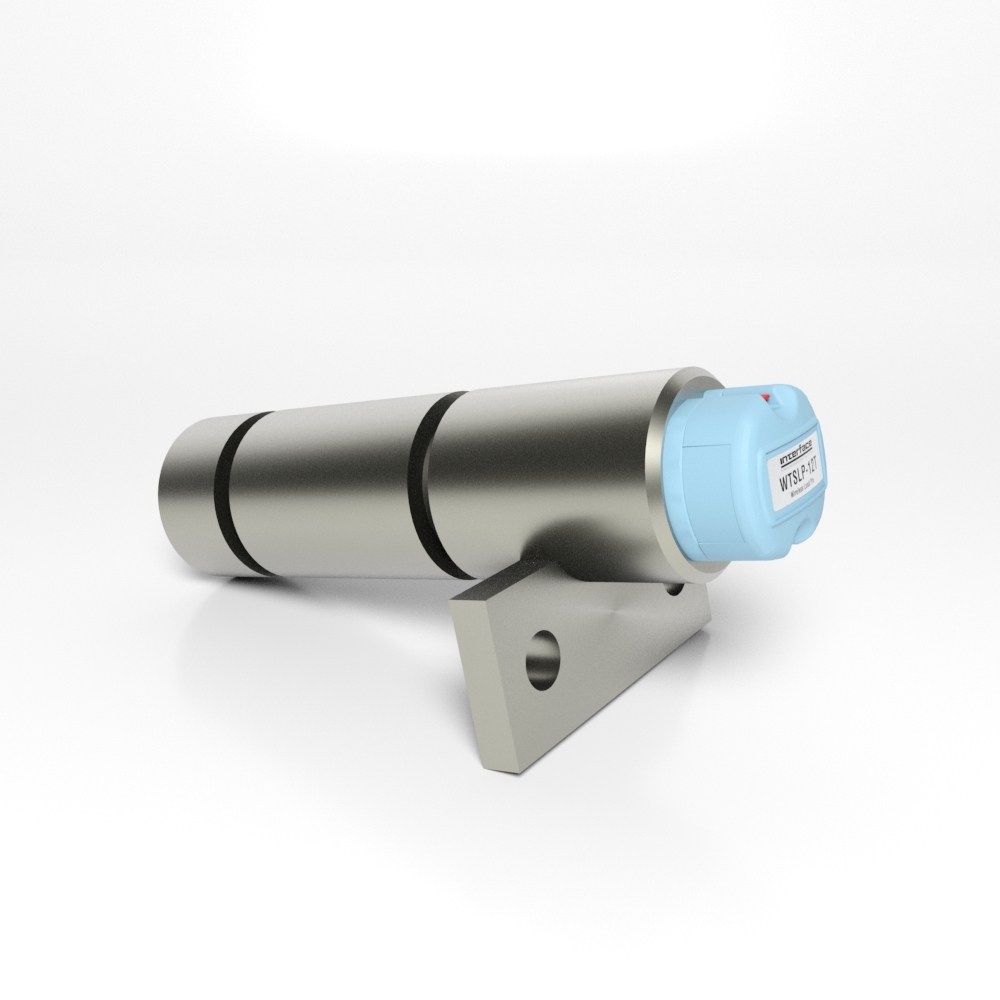
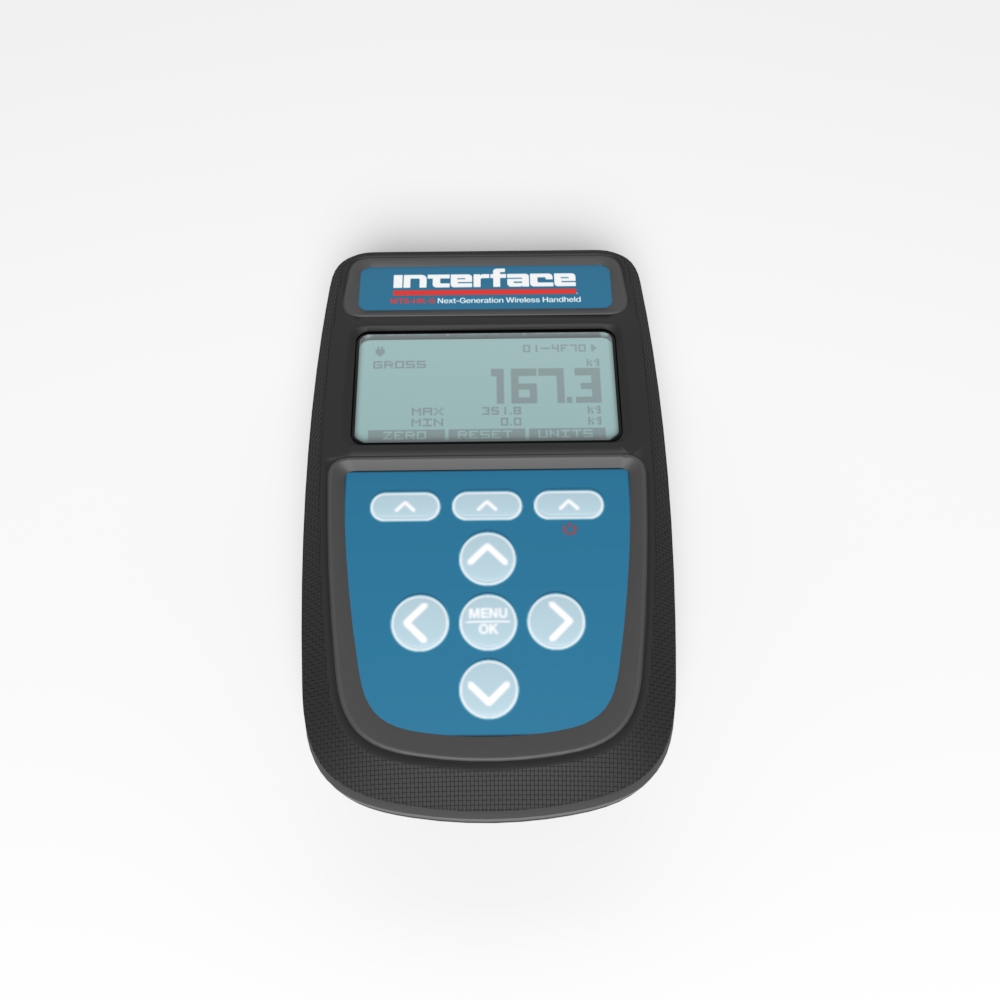
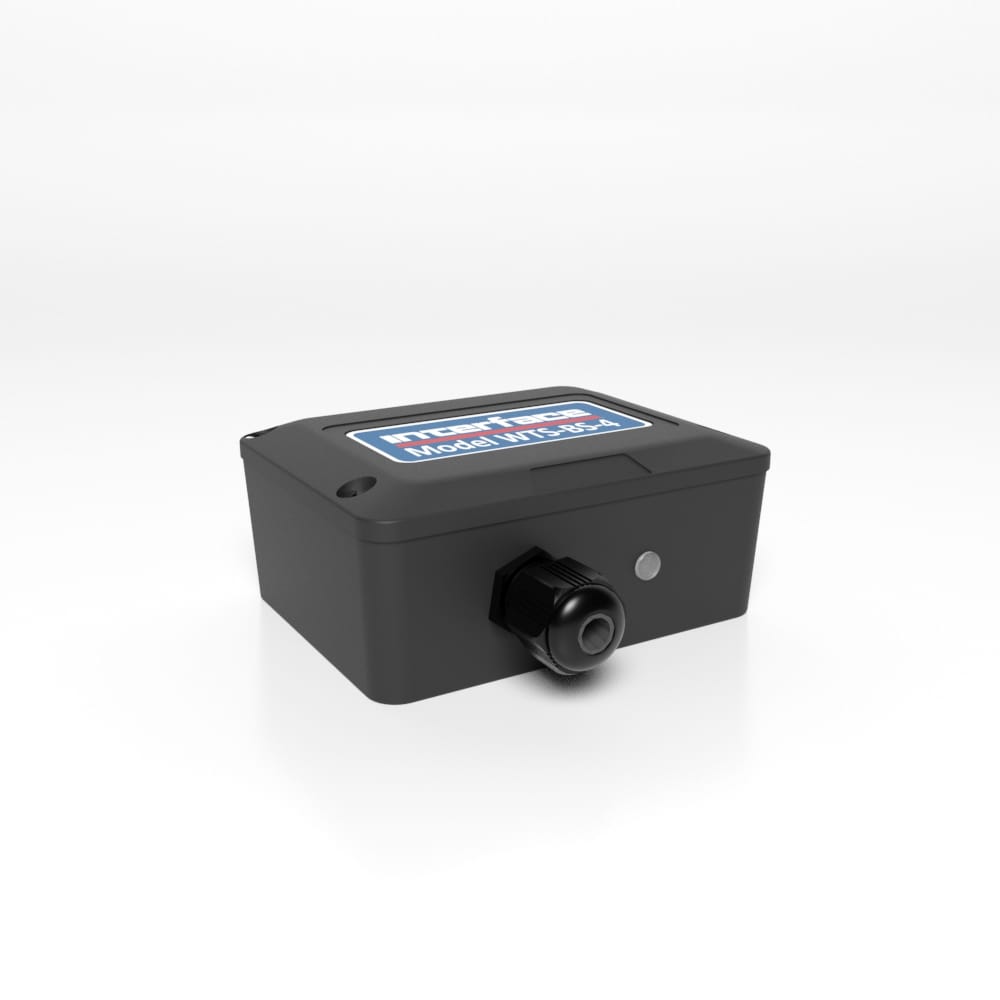
Ferris wheel operators and manufacturers must ensure that passenger gondolas remain safely supported throughout operation. As cabins are loaded with passengers and continuously rotate around the wheel, forces are transferred through the gondola hanger assemblies and pivot connections. Interface suggests implementing WTSLP Wireless Custom Load Pins directly into the gondola hanger connection, replacing standard structural pins. The wireless load pins continuously measured the shear forces transferred between the gondola and hanger arm during operation. Force results are wirelessly transmitted directly to engineers PC’s for analysis with the WTS-BS-4 USB Industrial Base Station. Or, it can also be transmitted to the WTS-HK-S Next-Generation Wireless Handheld.
Roller Coaster Wheel Force
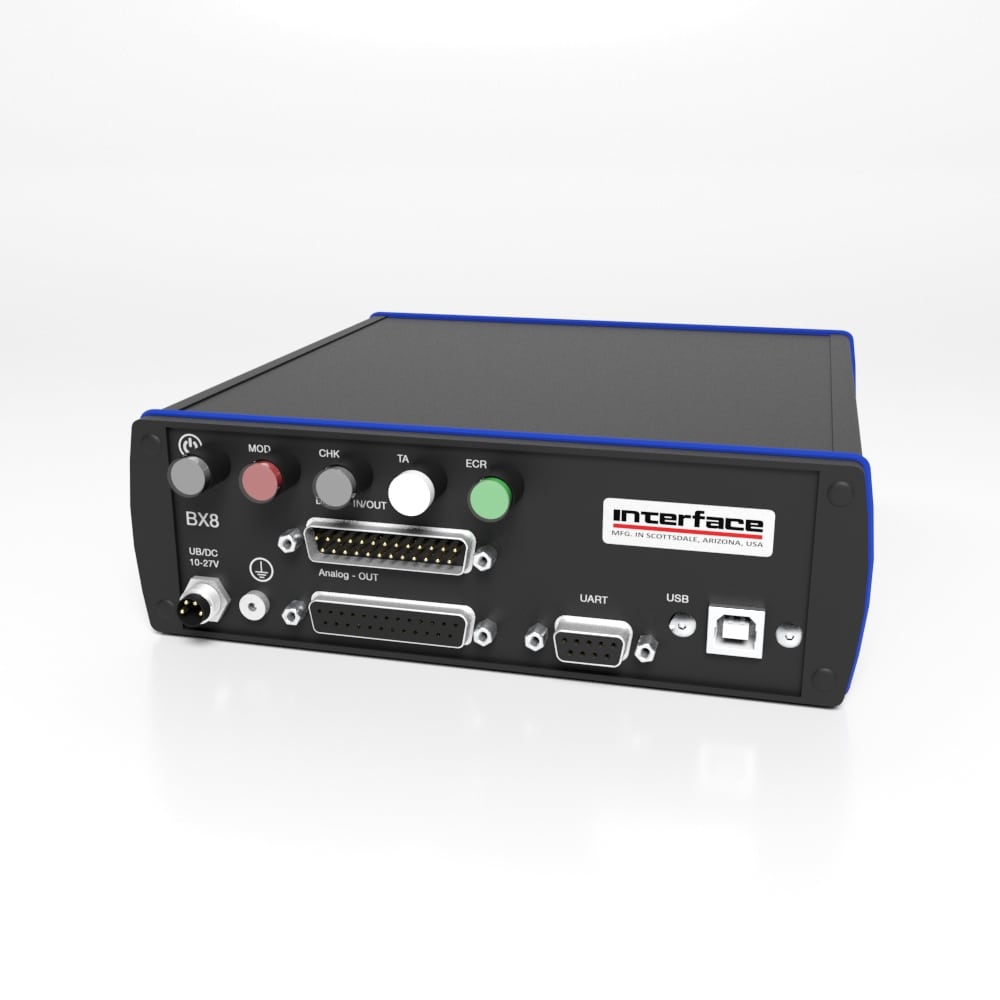
Roller coaster wheel assemblies are subjected to extreme changing forces as trains accelerate, brake, navigate tight curves, and pass through inversions. These loading conditions create wear, affect ride smoothness, and introduce potential safety risks if not fully understood during testing. The 6A80 6-Axis Standard Capacity Load Cells were integrated into wheel bogie assemblies to measure multi-directional forces acting on the train during operation. LP Custom Stainless Steel Load Pins were installed at axle and mounting interfaces to capture shear forces and localized wheel loading under dynamic conditions. Results can be displayed and logged using the BX8-HD44 BlueDAQ Series Data Acquisition System when connected to a PC or laptop.
Amusement Park Ride Restraint Testing
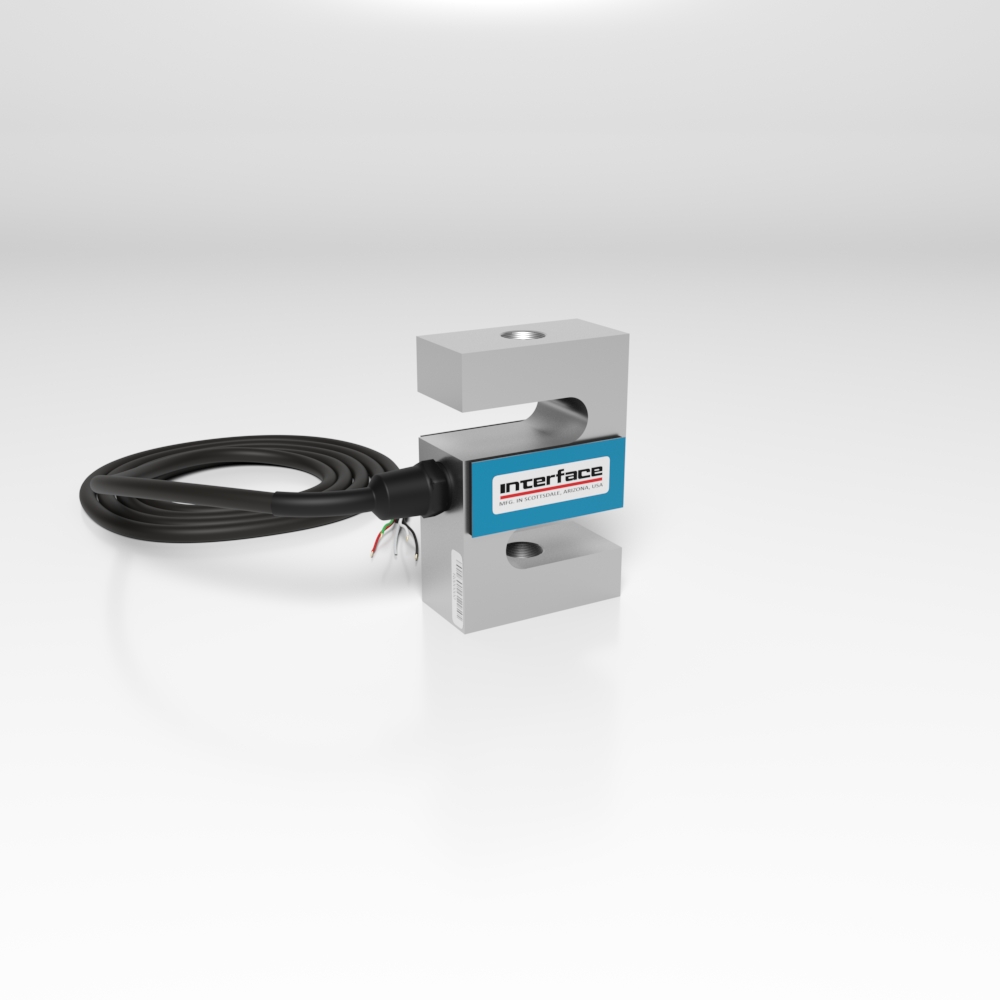
Amusement park rides rely on restraint systems to securely hold riders under rapidly changing and multi-directional forces. These systems must perform reliably across a wide range of rider sizes, seating configurations, and dynamic loading conditions. Interface suggests integrating the SSMF Fatigue Rated S-Type Load Cells into the lap and shoulder bar assemblies to measure applied force during ride conditions. Results are wirelessly sent to the customer’s PC when connected to the WTS-AM-1E Wireless Strain Bridge Transmitter Module. WTSLP Wireless Custom Stainless Steel Load Pins are used within pivot joints to monitor shear forces during ride motion. When connected to the WTS-BS-4 USB Industrial Base Station, results are wirelessly sent to the WTS-HK-S Next-Generation Wireless Handheld.