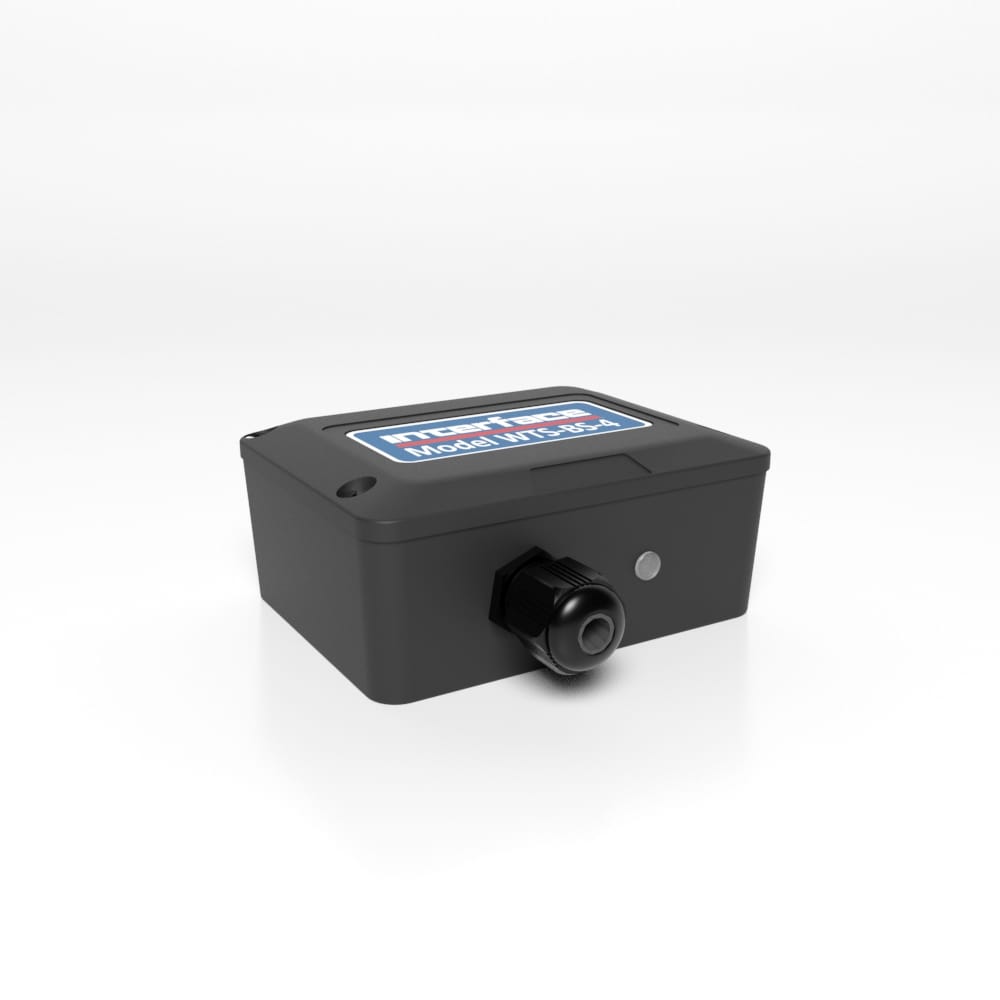
WTSSHK-D Wireless Crosby™ Load Shackle and WTS-BS-4 Wireless Base Station with USB Interface in Industrial Enclosure

Wireless Load Shackle System with Data Logging and Visualization

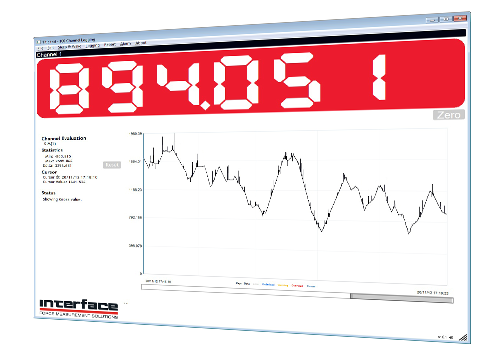
The WTS Wireless Crosby Load Shackle accurately measures lifting and tension forces, wirelessly transmitting data to the WTS-BS-4 Base Station via a secure, long-range telemetry signal. The base station connects to a PC via USB and streams data directly into Log100 software, which supports real-time logging and visualization of up to 100 channels. Users can create custom system layouts, assign live readings to visual elements, and remotely monitor performance via a built-in web server on any standard browser.
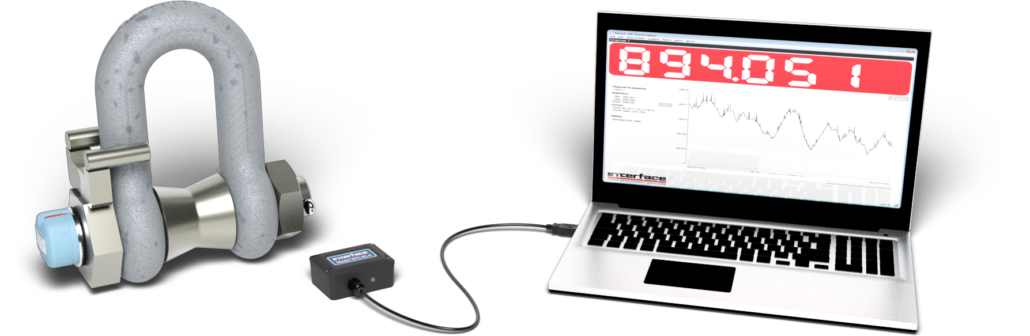
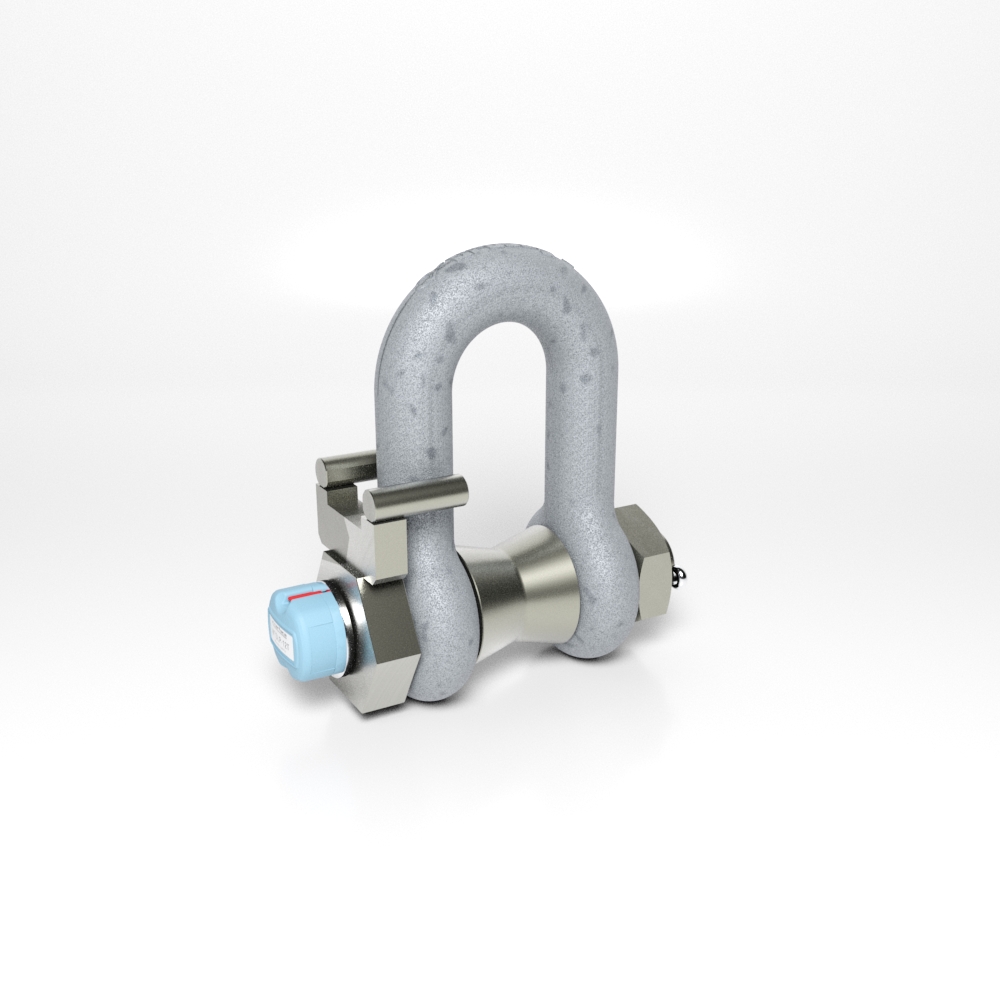
  • WTSSHK-D Wireless Crosby™ Load Shackle:
    • Ranges from 12 to 35 MT (26.5K to 77.2K lbf)
    • Environmentally sealed to IP67
    • Simple installation and operation
    • Shackle and load pin fully certified
  • WTS-BS-4 Wireless Base Station with USB Interface in Industrial Enclosure:
    • Up to 800 m (2,625 ft) range
    • Simple plug & play USB
    • Configure & calibrate the WTS range
    • IP67/NEMA 4 rated enclosure
  • Log 100 Software:
    • Logs and visualizes up to 100 data channels from WTS Wireless Telemetry transmitters
    • Allows users to build custom visual representations of a system
    • Supports live assignment of sensor readings to system layouts
    • Includes a built-in web server for multi-device access
    • Compatible with standard web browsers on PCs, tablets, iPads, and smartphones
    • Free to download and use with WTS systems
    • Enables comprehensive multi-channel monitoring in one software platform
    • Improves clarity through live, graphical system views
    • Offers real-time visibility into sensor data for faster response and decision-making
    • Simplifies remote monitoring across multiple devices without special software

Applications:

  • Under-hook Hoist/Crane Lifting
  • Cable Tension Monitoring
  • Towing/Mooring Tension
  • Beam proof loading

System Components

WTSSHK-B Wireless Crosby™ Bow Load Shackle

Wireless Load Shackle

26.5K to 77.2K lbf
12 to 35 MT

WTSSHK-D Wireless Crosby™ Load Shackle of telemetry load shackles are manufactured using the Crosby™ G2150 shackles. Versions are also available using the popular GreenPin™ range of shackles. The built in radio telemetry electronics operates on the 2.4GHz license free frequency.
The unique telemetry housing is manufactured from tough high performance polyamide resin making it strong yet light, resulting in a better balanced load shackle when compared to others available on the market. Two clips enable you to open the housing to access and change the two AAA batteries, while the internal electronics underneath remain completely sealed. This includes the antenna to ensure maximum protection from damage.
The WTSSHK-D can also be supplied with a handheld battery powered display which can toggle between MT or lbs, or alternatively, for multi-shackle applications. A single display can address up to 12 shackles for individual monitoring, or for summation/weighing applications.
Interface can also supply more complex telemetry systems. For further information on what we can offer, please contact our technical department with details of your application requirements.

Features & Benefits

  • Ranges from 12 to 35 MT (26.5K to 77.2K lbf)
  • Environmentally sealed to IP67
  • Simple installation and operation
  • Shackle and load pin fully certified

Options

  • Special ratings and sizes (see WTSSHK-D data sheet)
  • Hazardous Area certified – Intrinsically Safe (Ex i)
  • Various wireless accessories available. See WTS range of wireless products.

WTS-BS-4 Wireless Base Station with USB Interface in Industrial Enclosure

Wireless Base Station with USB Interface in Industrial Enclosure

The WTS-BS-4 is one of a range of base stations that are required for configuration and calibration of the WTS modular telemetry system. Base stations can also be used for data collection systems by making available the WTS wireless transmitter data over the USB interface.

The data sent by transmitter modules can be utilized by multiple receivers such as displays, handheld readers, analog outputs, relay modules and computer interfaces. Receivers support common industrial power supplies and are available in robust IP rated enclosures with internal antennas optimized to give outstanding coverage. The WTS-BS-4 is housed in an IP67 enclosure and has better coverage than the WTS-BS-3E.

On Windows PCs the free WTS Toolkit is used to configure and calibrate the WTS modular telemetry system while the free WTS logging and visualization software allows monitoring and data collection.

Features & Benefits

  • Up to 800 m (2,625 ft) range
  • Simple plug & play USB
  • Configure & calibrate the WTS range
  • IP67/NEMA 4 rated enclosure

Log 100 Software

Logging and Visualization Software

Log 100 has been designed to allow the logging and visualization of up to 100 channels of data from the WTS Wireless Telemetry range of sensor transmitters. This software is free to download and allows users to build a visual representation of a system and assign live readings. The built in web server provides a summary view page to other computers, tablets, iPads and smart phones etc. using a standard browser.

Features & Benefits

  • Logs and visualizes up to 100 data channels from WTS Wireless Telemetry transmitters
  • Allows users to build custom visual representations of a system
  • Supports live assignment of sensor readings to system layouts
  • Includes a built-in web server for multi-device access
  • Compatible with standard web browsers on PCs, tablets, iPads, and smartphones
  • Free to download and use with WTS systems
  • Enables comprehensive multi-channel monitoring in one software platform
  • Improves clarity through live, graphical system views
  • Offers real-time visibility into sensor data for faster response and decision-making
  • Simplifies remote monitoring across multiple devices without special software

System Level Calibration

Interface strongly recommends requesting a system-level calibration when purchasing a force measurement sensor with instrumentation. This final step ensures the sensor and instrumentation are properly calibrated and functioning together before leaving Interface.