Solution


Mooring Quick Release Hooks (QRH)

A customer wants to test the strength of the cable line used in the hoist of their A customer wants to test their Quick Release Hook (QRH) system when their vessels are docked. They want to ensure the mooring lines are secured, but also, the quick release hooks are able to be easily and safely released.
Summary

  • Customer Need / Challenge

    A customer wants to test the strength of the cable line used in the hoist of their vessel. They need to test their Quick Release Hook (QRH) system when their vessels are docked, to ensure the mooring lines are secured and the quick-release hooks can be easily and safely released.

  • Interface Solution

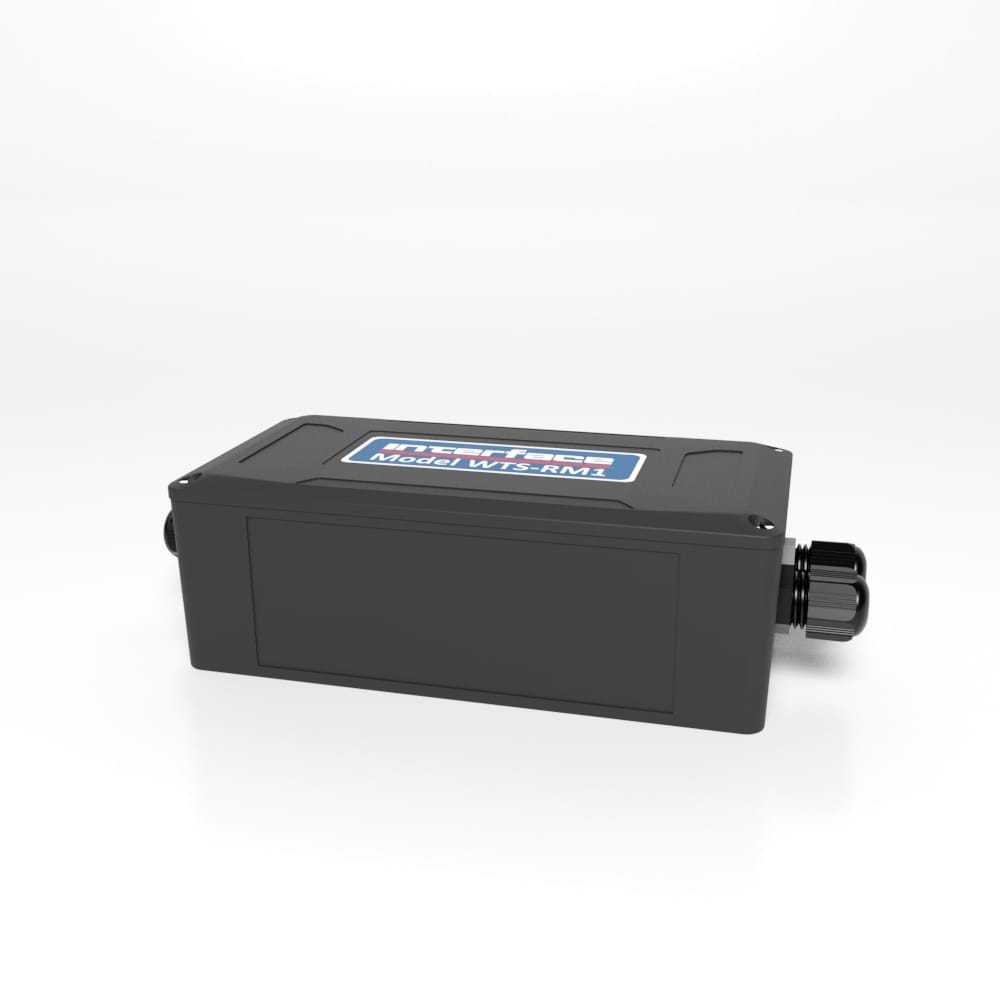
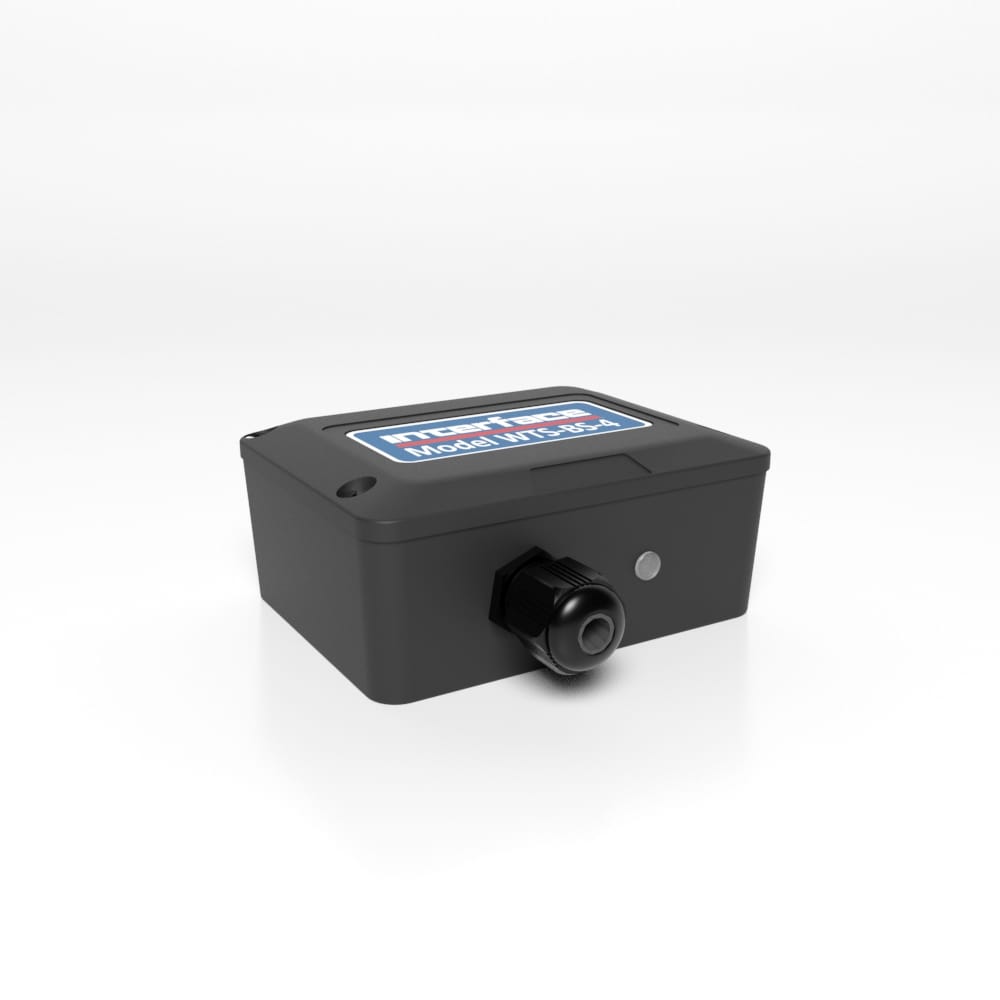
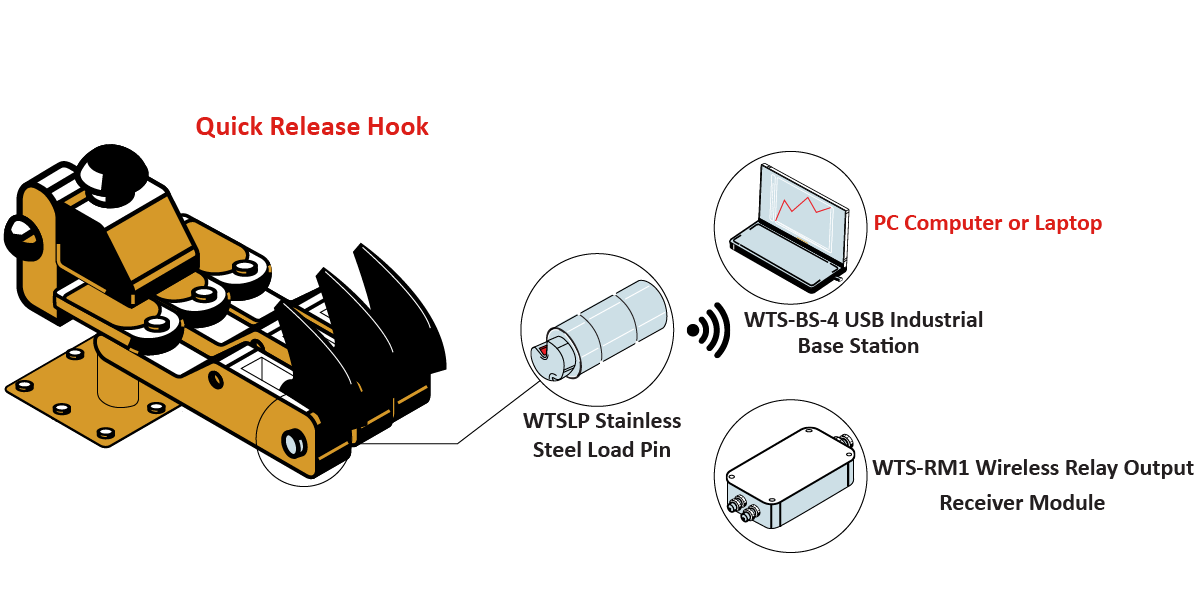
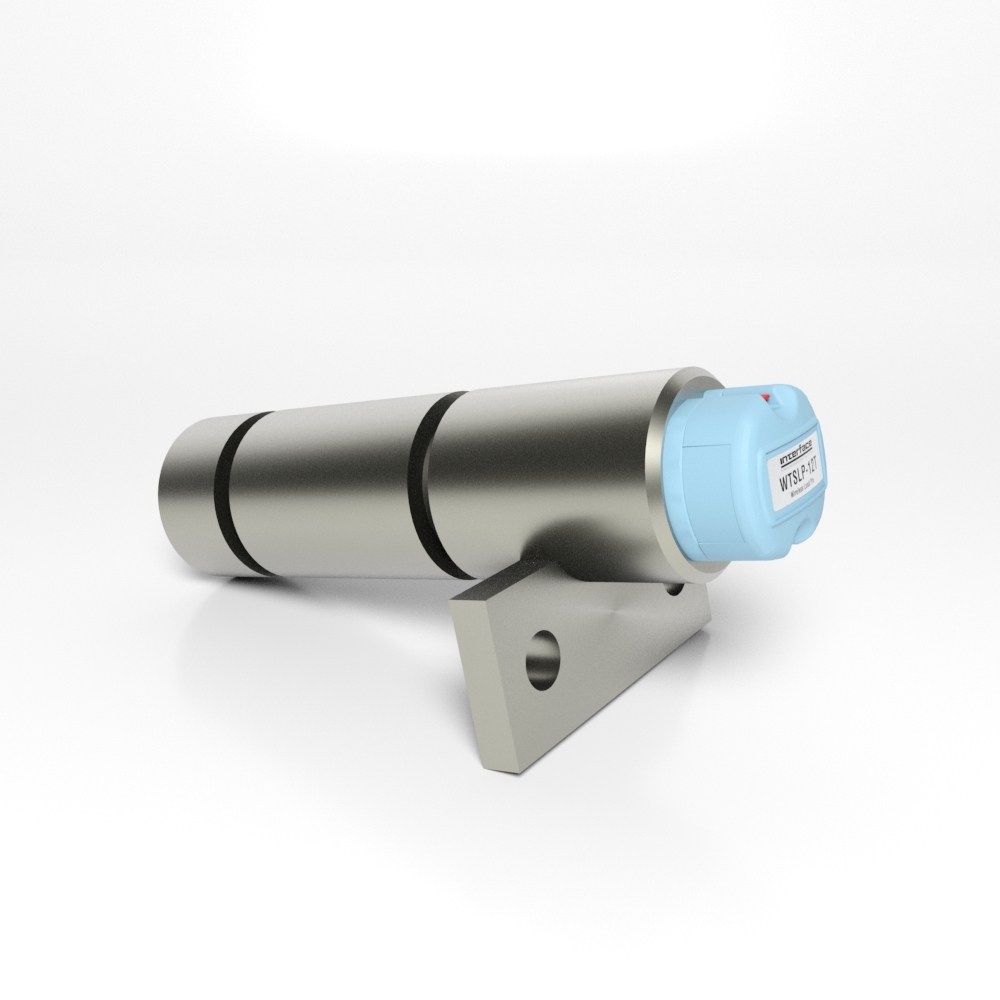
    Interface’s WTSLP Stainless Steel Load Pin can be installed into the quick release hook, where forces from the mooring lines can be measured and displayed when paired with the WTS-BS-4 USB Industrial Base Station. The load tension forces are displayed in real-time on the customer’s PC or laptop. The WTS-RM1 Wireless Relay Output Receiver Module alarm can also be triggered for the customer when maximum safety workload capacities have been reached or are overloaded.

  • Results

    The customer was able to determine if their quick release hooks worked effectively within the safe working limit specifications, and was aware of any potential overload situations.

Materials


  • WTSLP Stainless Steel Load Pin
  • WTS-RM1 Wireless Relay Output Receiver Module
  • WTS-BS-4 Industrial USB Base Station
  • WTS Toolkit (graphing, logging, and set up software, included with WTS-BS-4)
  • Customer PC or Laptop

How it Works


  1. The WTSLP Stainless Steel Load Pin is installed in the quick release hook.
  2. Forces are measured and recorded using the WTS-BS-4 USB Industrial Base Station, and results are displayed on the customers PC computer or laptop.
  3. When maximum capacities have been reached, the WTS-RM1 Wireless Relay Output Receiver Module triggers an alarm for the customer to be notified.

Download PDF