Solution


Seat Testing Machine

An Automotive Seat Manufacturer was conducting durability testing on their seats.


Summary

  • Customer Need / Challenge

    An Automotive Seat Manufacturer was conducting durability testing on their seats. During testing, the customer was consistently overloading and replacing their single-axis load cells. After a thorough inspection, it was discovered that this was due to bending moments that had never been quantified.

  • Interface Solution

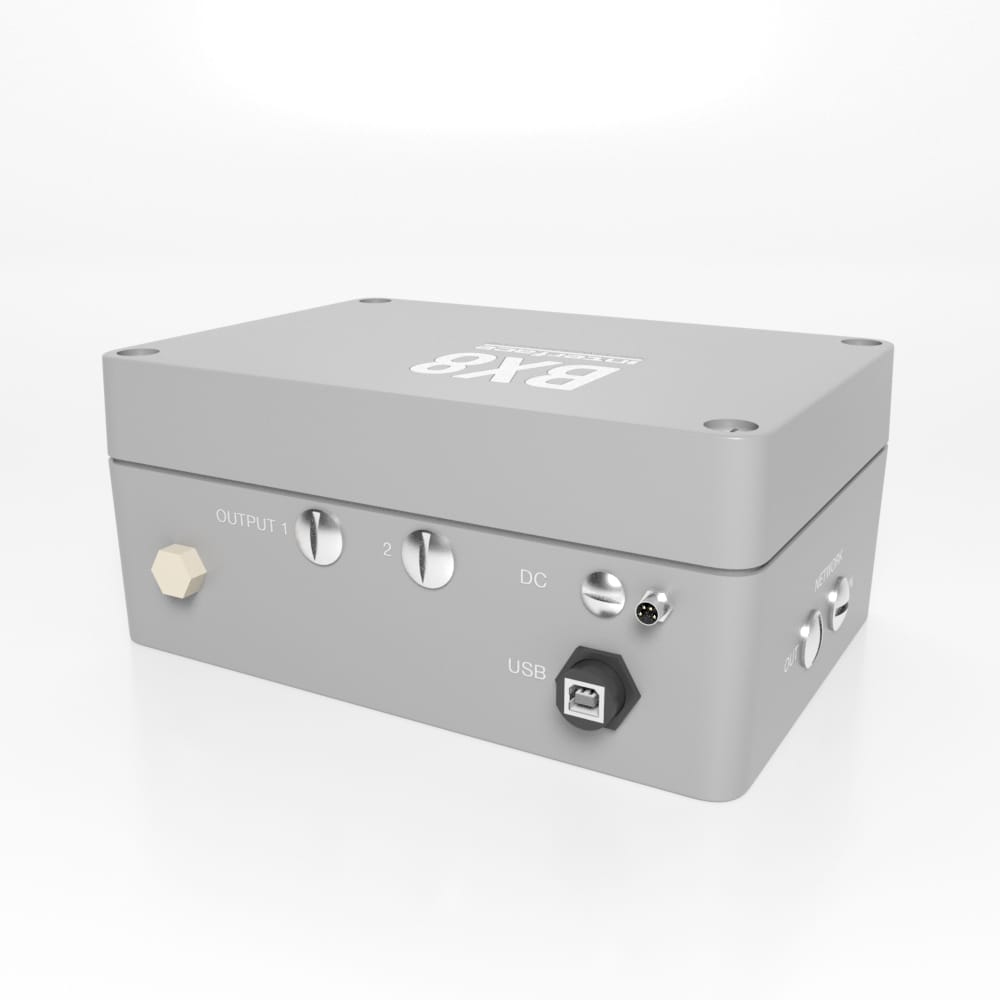
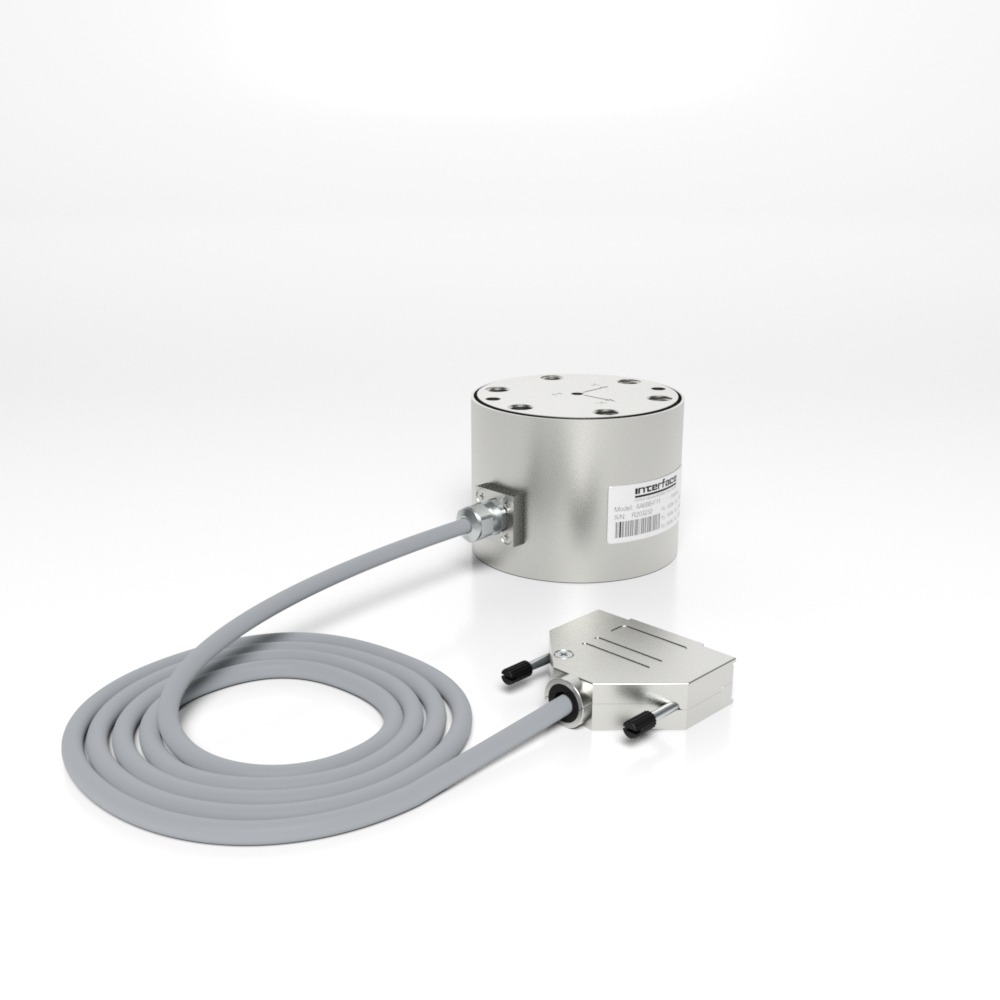
    An Interface 6A68C 6-Axis load cell was installed in their existing test machine. The 6-Axis Sensor was intentionally oversized allowing the customer to measure the unidentified bending moments while preventing any damage to the 6-Axis Sensor. A BX8 was used to graph, log, & store the data collected at the sensor.

  • Results

    • The customer was able to identify previously unknown bending moments, permitting them to choose how they would like to proceed with testing.
    • Select a more appropriate single-axis load cell capacity, capable of withstanding the entire combined loads; including the bending moment.
    • Continue using a 6-Axis Sensor to take measurements.
    • Redesign their testing fixture to eliminate bending moment.

Materials


  • 6A68C 6-Axis Load Cell
  • BX8- AS Multi-Channel Bridge Amplifier & PC Interface Module with Software
  • Appropriate Cabling

How it Works


  1. The 6A68C 6-Axis sensor is installed between simulated seated human and the robotic arm.
  2. The BX8- AS connected between the 6-Axis Sensor and the customer’s PC Laptop.
  3. The testing machine repetitively places simulated human in tested seat.
  4. The 6-Axis sensor measures loads in all six axes (Fx, Fy, Fz, Mx, My, Mz).
  5. The sensor’s output is fed to the BX8 and to the PC laptop where it is displayed using the included software.

Download PDF