Solution


Search and Rescue Robots

Search and rescue missions often require personnel to enter hazardous environments, but some situations are too dangerous. Robotics are needed that can maneuver across debris and unpredictable terrain while maintaining control and reliable sensor performance. Ensuring that these systems operate accurately testing is essential for protecting human life and improving mission success.
Summary

  • Customer Need / Challenge

    Search and rescue missions often require personnel to enter hazardous environments, but some situations are too dangerous. Robotics are needed that can maneuver across debris and unpredictable terrain while maintaining control and reliable sensor performance. Ensuring that these systems operate accurately testing is essential for protecting human life and improving mission success.

  • Interface Solution

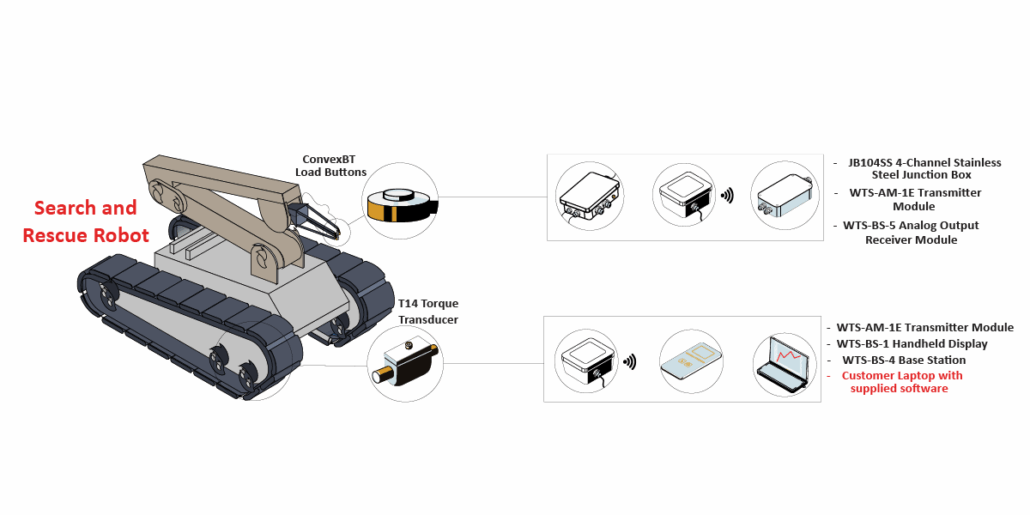
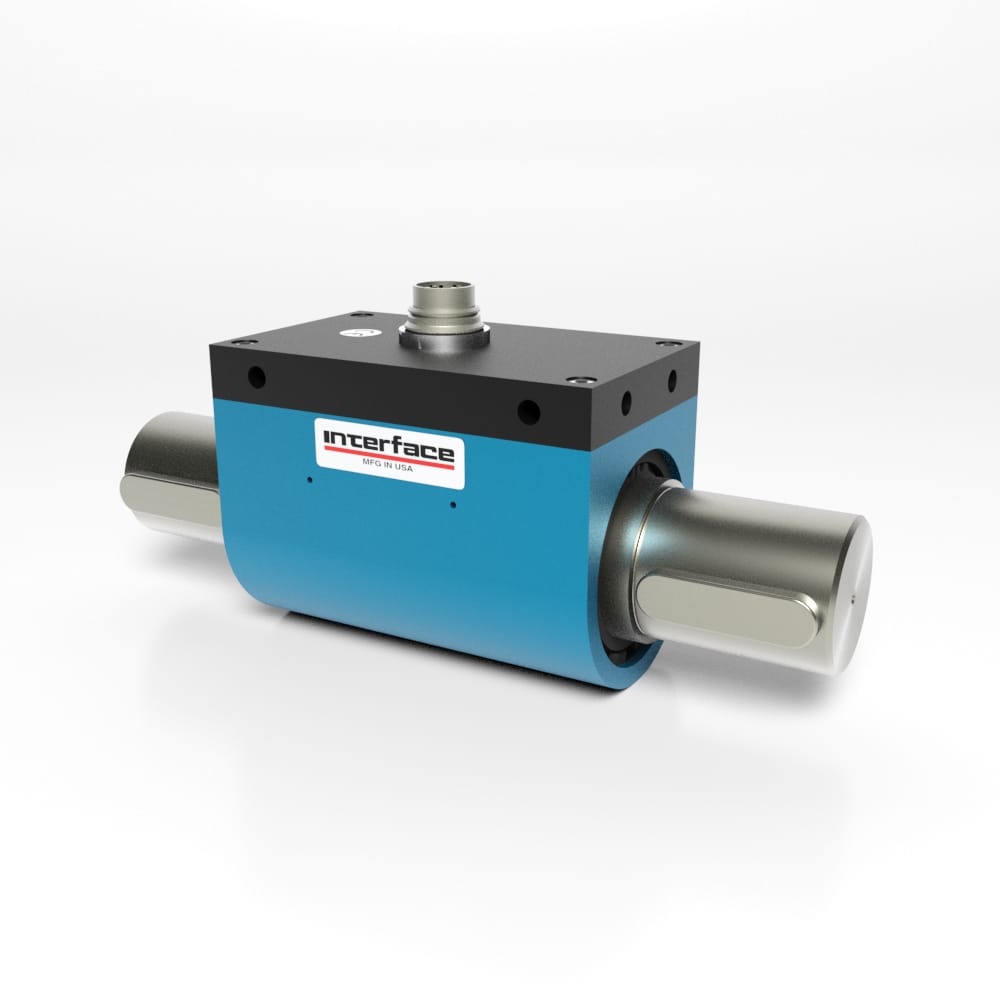
    Interface suggests using multiple force sensors to test the search and rescue robot. The robot’s wheel torque can be measured using a T14 Slip-Ring Shaft Style Rotary Torque Transducer, installed inside of the robot’s wheel alongside the motor. Two ConvexBT Load Button Load Cells are used in the grips of the robotic arm to measure the amount pressure being applied.

  • Results

    Using multiple Interface force measurement solutions, engineers were able to evaluate and optimize key performance areas of the search and rescue robot. These sensors delivered precise, repeatable data that allowed designers to refine performance, increase stability, and enhance operational reliability in mission-critical rescue environments.

Materials


  • T14 Slip-Ring Shaft Style Rotary Torque Transducer
  • Two WTS-AM-1E Wireless Strain Bridge Transmitter Modules
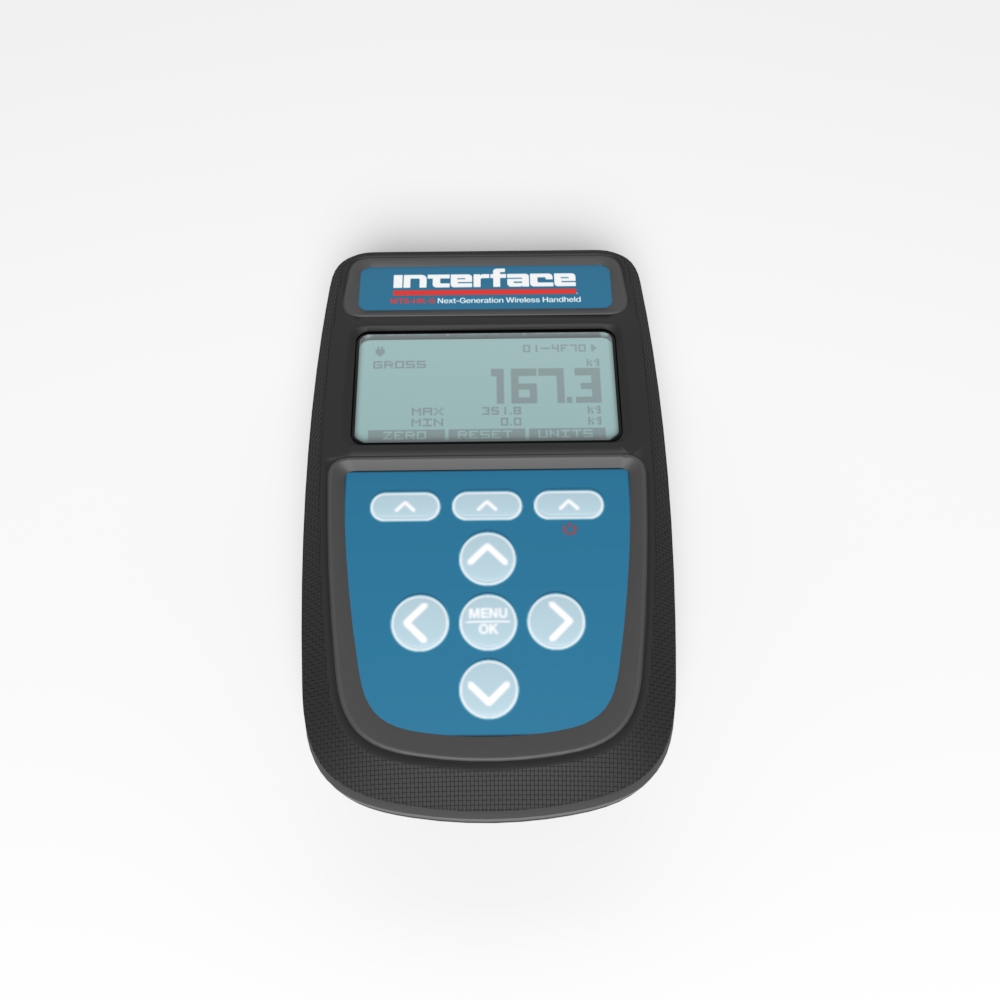
  • WTS-HK-S Next-Generation Wireless Handheld
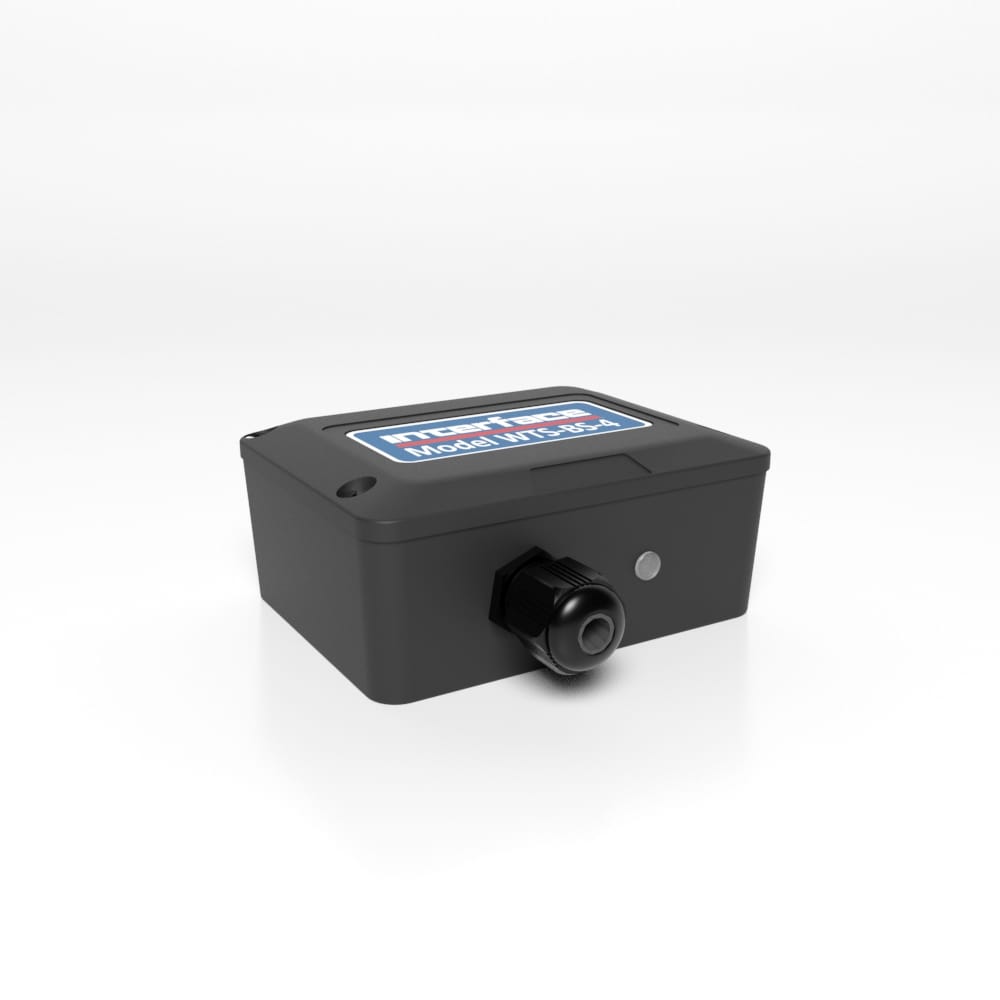
  • WTS-BS-4 Wireless Base Station
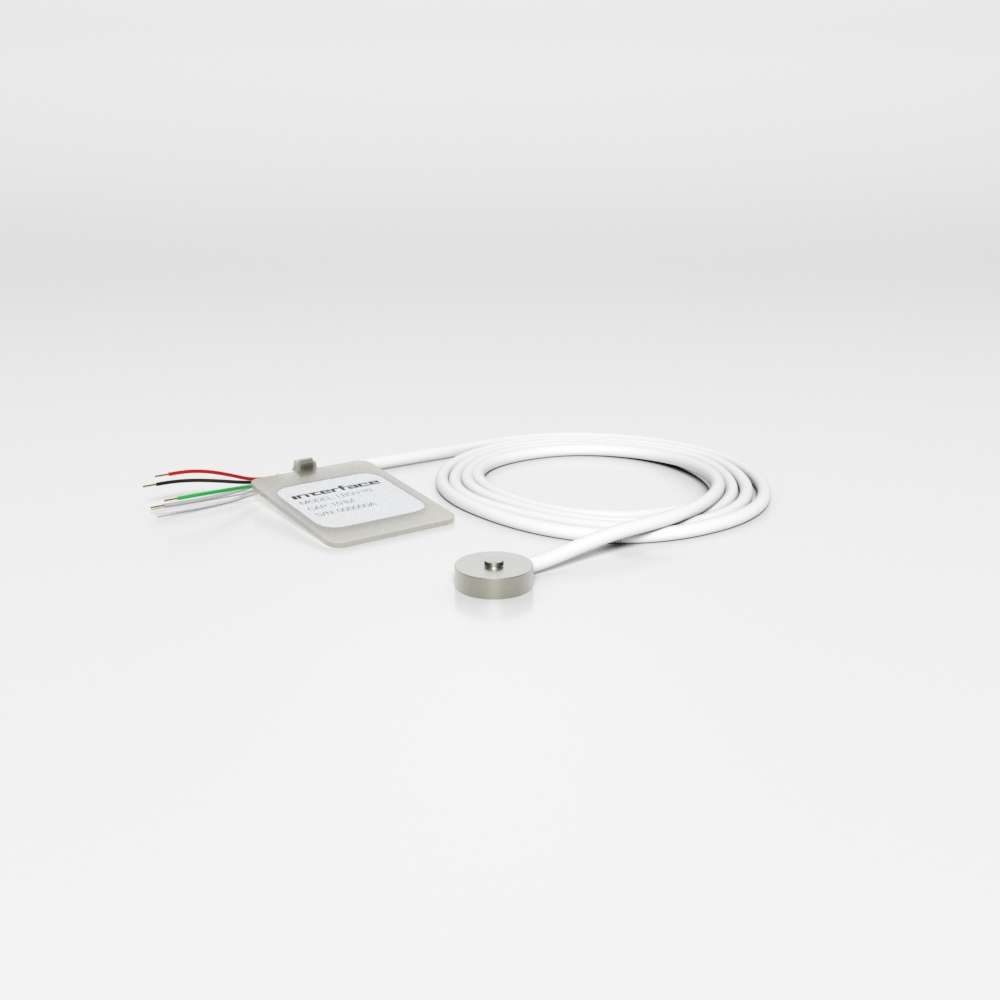
  • Two ConvexBT Load Button Load Cell
  • JB104SS 4-Channel Stainless Steel Junction Box
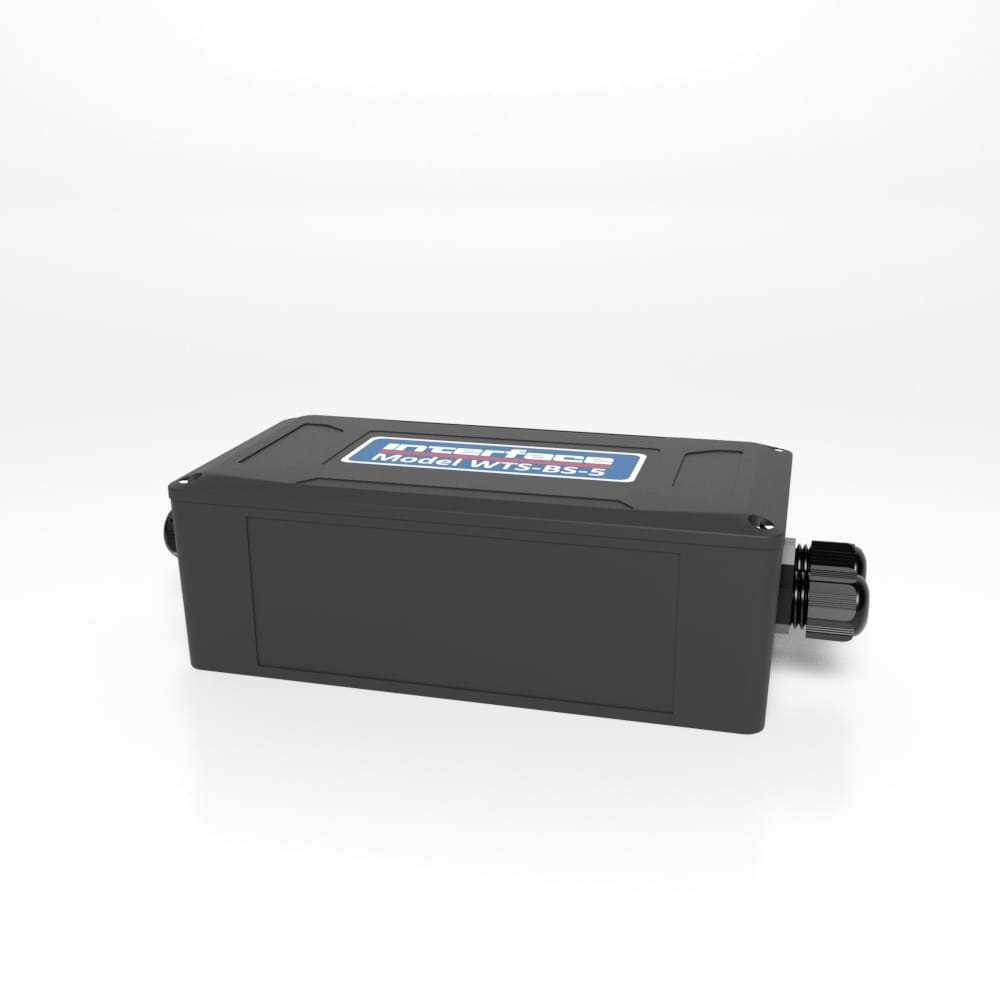
  • WTS-BS-5 Wireless Analog Output Receiver Module
  • Customer PC or Laptop

How it Works


  • Wheel Torque – The robot’s wheel torque is measured using a T14 Slip-Ring Shaft Style Rotary Torque Transducer, installed inside of the robot’s wheel alongside the motor. The T14 is attached to the WTS-AM-1E Wireless Strain Bridge Transmitter Module, which transmits the sensor’s measurements to the WTS-HK-S Next-Generation Wireless Handheld, or the customer’s PC through the WTS-BS-4 Wireless Base Station.
  • Grippers – Two ConvexBT Load Button Load Cells are connected underneath a rubber grip pad on both sides of the clamping device. Pressure results are summed using a JB104SS 4-Channel Stainless Steel Junction Box and connected to an additional WTS-AM-1E Wireless Strain Bridge Transmitter Module. The results can be sent to the WTS-BS-5 Wireless Analog Output Receiver Module if an analog output is needed.

Download PDF