Solution


Food Delivery Robot

Autonomous food delivery robots are becoming increasingly common on university campuses such as Arizona State University, where students can order meals that are delivered directly to dorms and classrooms by small, self-driving vehicles. These robots must navigate complex pathways, avoid obstacles, and carry food safely and efficiently across varying terrain. Torque testing is needed to ensure mobility, load handling, and safety.

Summary

  • Customer Need / Challenge

    Autonomous food delivery robots are becoming increasingly common on university campuses such as Arizona State University, where students can order meals that are delivered directly to dorms and classrooms by small, self-driving vehicles. These robots must navigate complex pathways, avoid obstacles, and carry food safely and efficiently across varying terrain. Torque testing is needed to ensure mobility, load handling, and safety.

  • Interface Solution

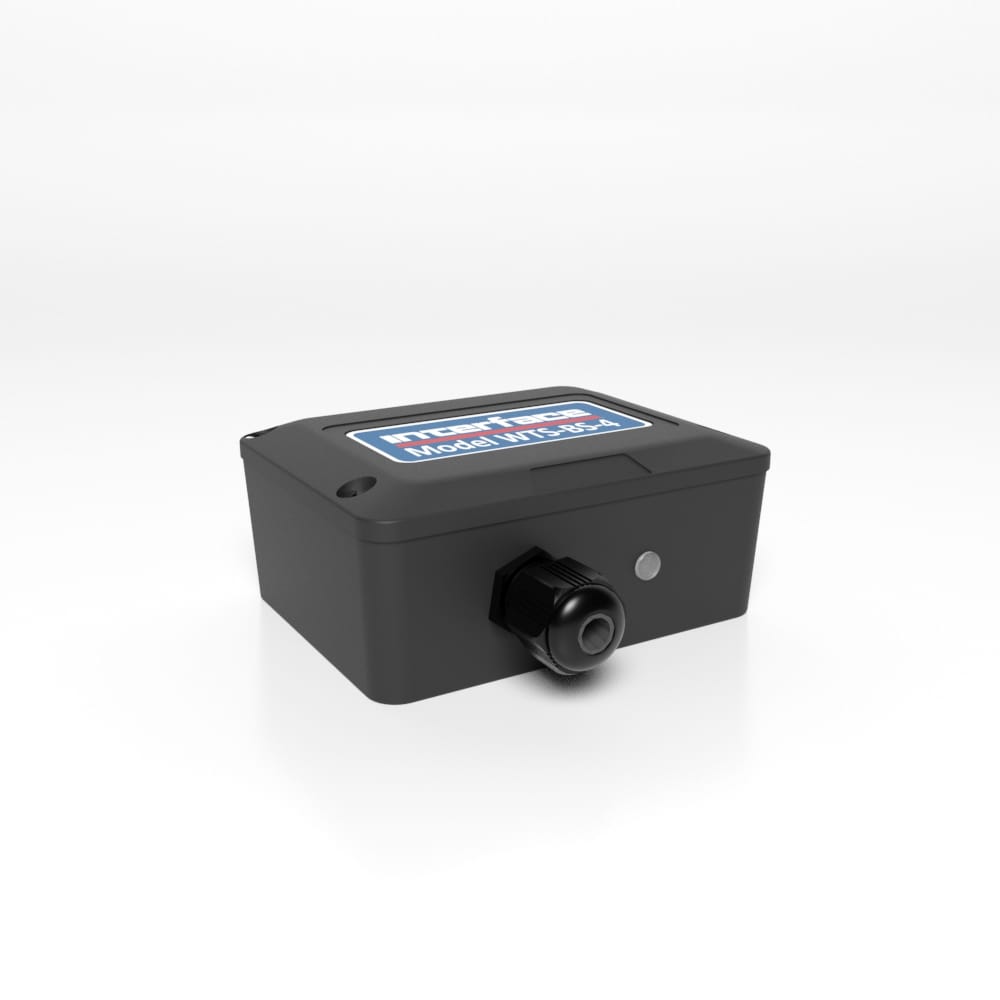
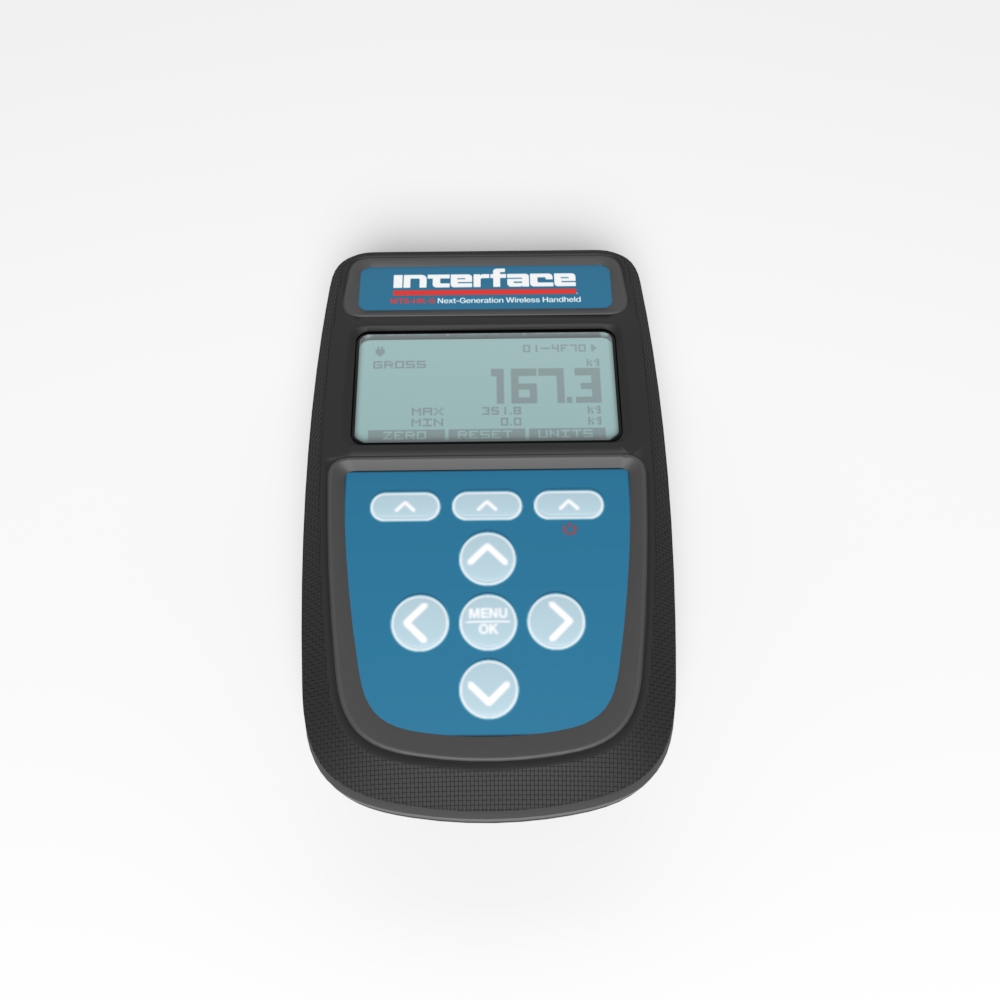
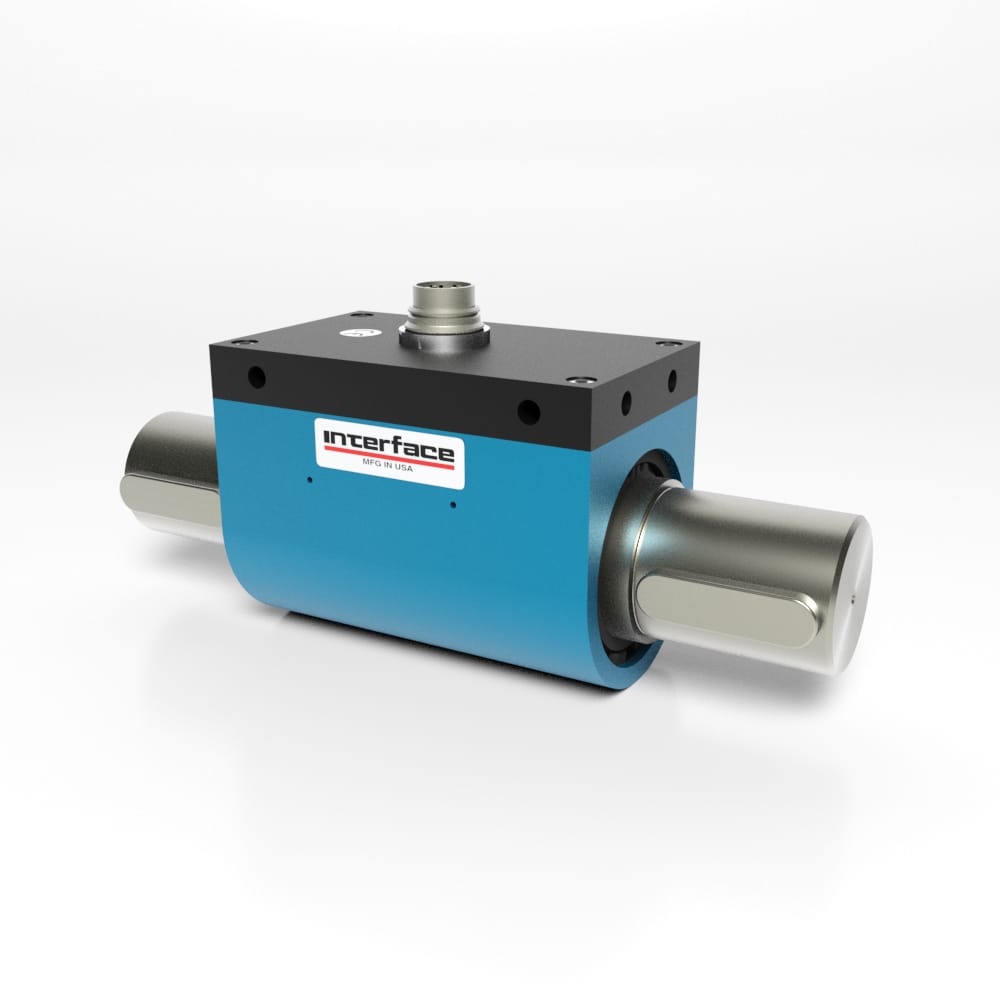
    To measure the torque of the wheels when on route, Interface suggests using the T14 Slip-Ring Shaft Style Rotary Torque Transducer, installed inside of the delivery robot’s wheel alongside the motor. To create a wireless system, the torque sensor is attached to the WTS-AM-1E Wireless Strain Bridge Transmitter Module, which will wireless transmit the sensor’s measurements to the WTS-HK-S Next-Generation Wireless Handheld, or the customer’s PC through the WTS-BS-4 Wireless Base Station with USB Interface.

  • Results

    With precise data from Interface sensors, the team was able to test the torque of he wheels which enhanced overall navigation reliability. The outcome showed the food delivery robot is capable of consistent performance across during real world delivery situations.

Materials


  • T14 Slip-Ring Shaft Style Rotary Torque Transducer

  • WTS-AM-1E Wireless Strain Bridge Transmitter Module

  • WTS-HK-S Next-Generation Wireless Handheld

  • WTS-BS-4 Wireless Base Station with USB Interface

  • Customer PC or Laptop

How it Works


  1. The T14 Slip-Ring Shaft Style Rotary Torque Transducer is installed inside the delivery robot’s wheels, and connected to the motor.

  2. The WTS-AM-1E Wireless Strain Bridge Transmitter Module connects to the T14, collecting data results of the wheels when the delivery robot is on route to deliver food.

  3. Data results are transmitted wirelessly to either the WTS-HK-S Next-Generation Wireless Handheld, or, to the WTS-BS-4 Wireless Base Station with USB Interface and connected to the customer’s PC or laptop.

Download PDF