5330 Hollow Flange Style Reaction Torque Transducer and 920i Programmable Weight Indicator and Controller

Hollow Flange Style Reaction Torque Transducer Programmable Weight Indicator and Controller System

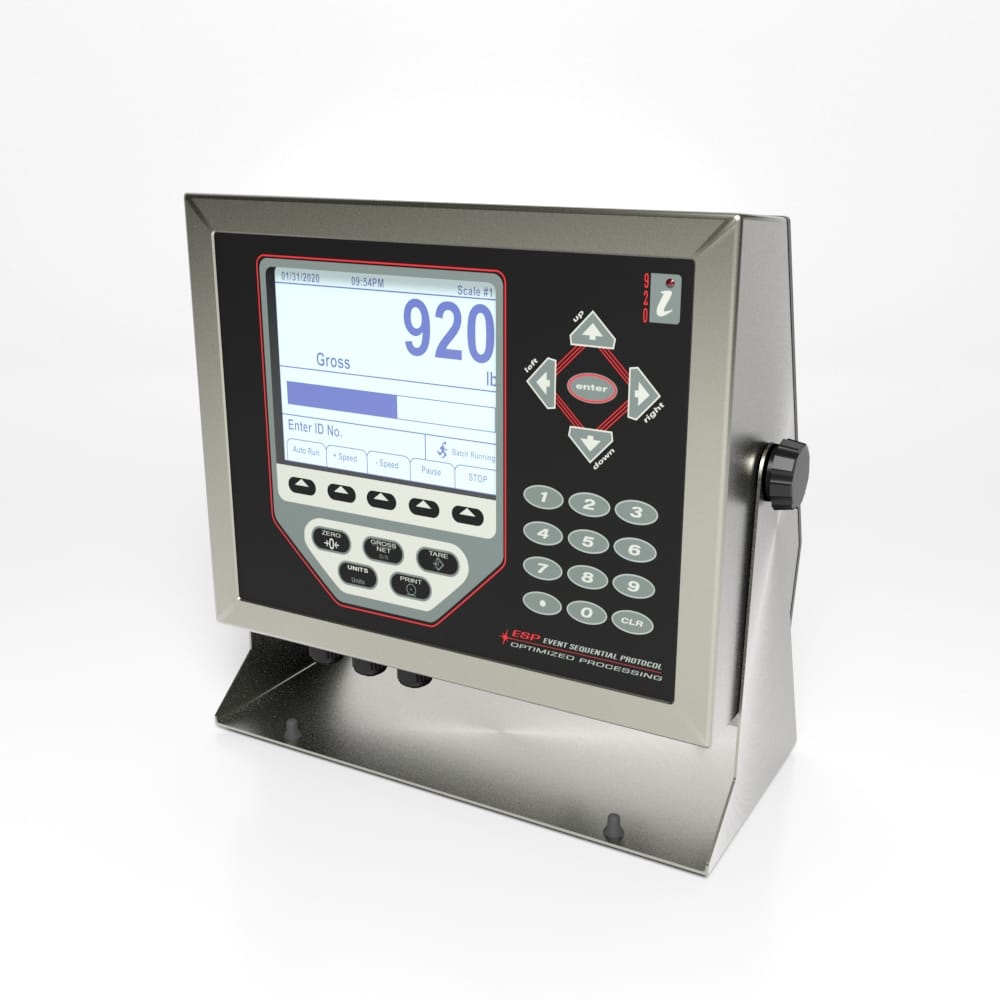
The 5330 Hollow Flange Style Reaction Torque Transducer detects static torque via strain‑gage deformation and outputs a signal (mV/V), while the 920i Programmable Weight Indicator and Controller receives that signal, digitizes it at up to 960 Hz, displays multiple channels in real time, and enables calibration, setpoints, and control.

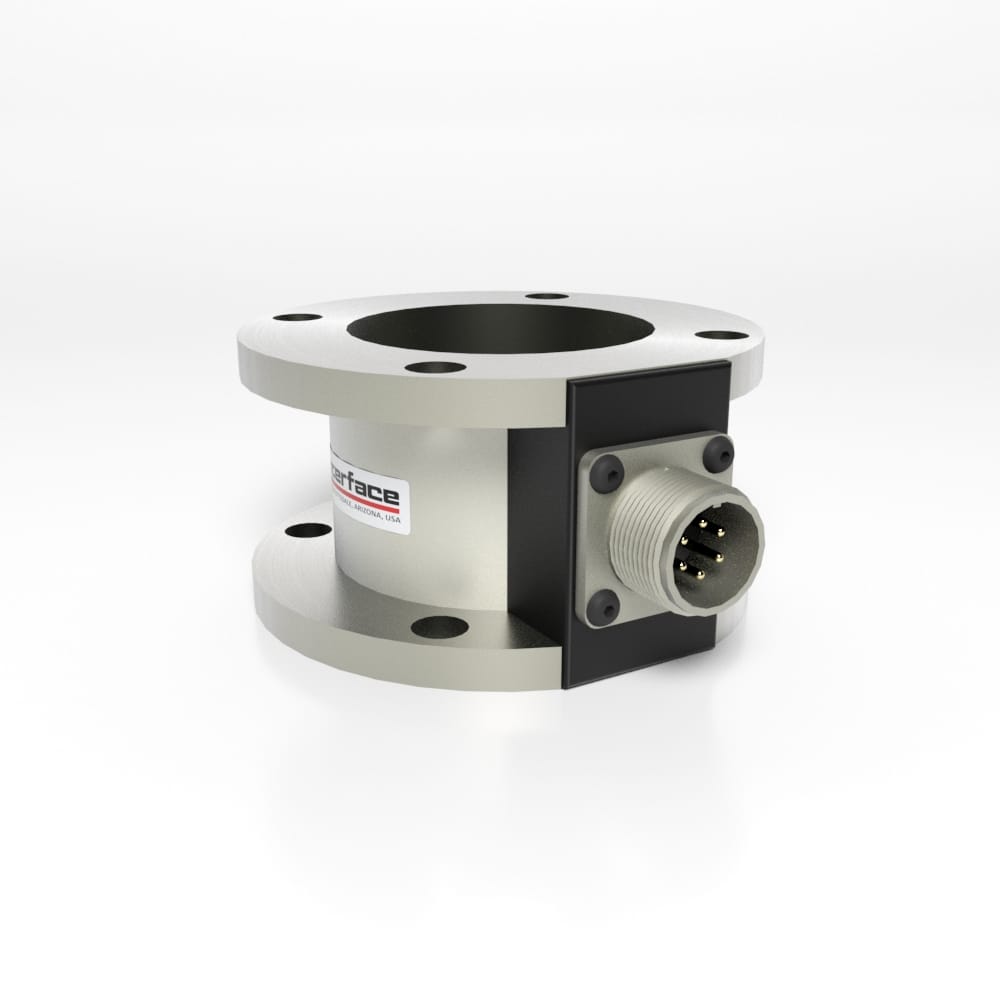
  • 5330 Hollow Flange Style Reaction Torque Transducer:
    • High torsional stiffness
    • Extraneous load resistance
    • Compact
  • 920i Programmable Weight Indicator and Controller:
    • LCD display, W x H – 4.6 x 3.4 in (117 x 86 mm)
    • Display up to four scale channels per screen with required Legal for Trade information
    • 32 scale accumulators
    • Millivolt calibration, 5-point linearization and geographical calibration
    • NEMA Type 4X/IP66 stainless steel enclosure
    • Selectable A/D measurement rate up to 960/second
    • 100 setpoints, 30 configurable setpoint types
    • 64 K user on-board NV RAM
    • Power for 16, 350 ohms load cells per A/D board
    • Peak hold

Applications:

  • Aerospace
  • Robotics
  • Automotive Testing


  • Biomechanical Research
  • Dynamic Testing Environments
  • Precision Research

System Components

5330 Hollow Flange Style Reaction Torque Transducer

Flange-type

60 lbf-in to 100K lbf-in
6.8 Nm to 11.3K Nm

Model 5330 reaction torque transducer features a large thru-hole design for use where mating fixtures, hydraulic or electrical lines need to pass through the sensor.

Features & Benefits

  • High torsional stiffness
  • Extraneous load resistance
  • Compact
920i Programmable Weight Indicator and Controller

920i Programmable Weight Indicator and Controller

Digital and Programmable

Model 920i is bidirectional and comes in a NEMA 4X stainless enclosure. Standard options include 8,000,000 internal counts, 4.6 x 3.4 inch LCD 7-digit display and a measurement rate that goes up to 960 Hz. Available options include analog and relay outputs.

Features & Benefits

  • LCD display, W x H – 4.6 x 3.4 in (117 x 86 mm)
  • Display up to four scale channels per screen with required Legal for Trade information
  • 32 scale accumulators
  • Millivolt calibration, 5-point linearization and geographical calibration
  • NEMA Type 4X/IP66 stainless steel enclosure
  • Selectable A/D measurement rate up to 960/second
  • 100 setpoints, 30 configurable setpoint types
  • 64 K user on-board NV RAM
  • Power for 16, 350 ohms load cells per A/D board
  • Peak hold

Cable Assemblies

Accessories

Interface accessory products are made from the highest components and processes to ensure the specifications for your Interface products perform to meet their published specifications.

Features & Benefits

Interface uses the highest grade cables and connectors to ensure the performance of your force and torque systems are at the highest level.

  • Designed to work with Interface products
  • Made with the highest quality components and processes
  • Created to maintain the specification of the product they are intended for
  • For connecting transducers to instrumentation
  • Standard and custom lengths
  • Shielded cable

Mating Connectors

Accessories

Interface accessory products are made from the highest components and processes to ensure the specifications for your Interface products perform to meet their published specifications.

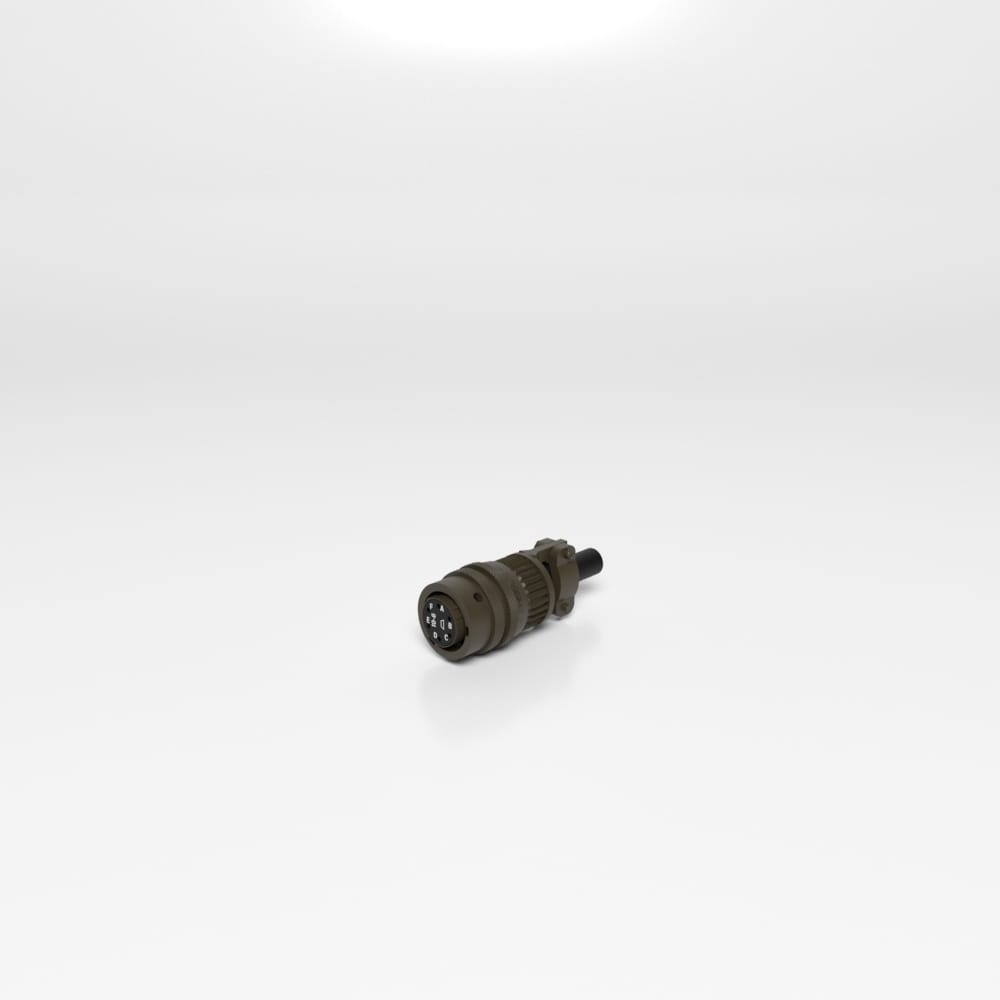
Models MC-001, MC-002, CN-207, CN-208, and CN-214 are available.

Features & Benefits

Interface uses the highest grade mating connectors to ensure that the performance of your force and torque solutions are not compromised.

  • Designed to work with Interface products
  • Made with the highest quality components and processes
  • Created to maintain the specification of the product they are intended for
  • Mating connector and cable
  • Dressed pigtails
  • Interconnects between load cell and instruments

System Level Calibration

Interface strongly recommends requesting a system-level calibration when purchasing a force measurement sensor with instrumentation. This final step ensures the sensor and instrumentation are properly calibrated and functioning together before leaving Interface.